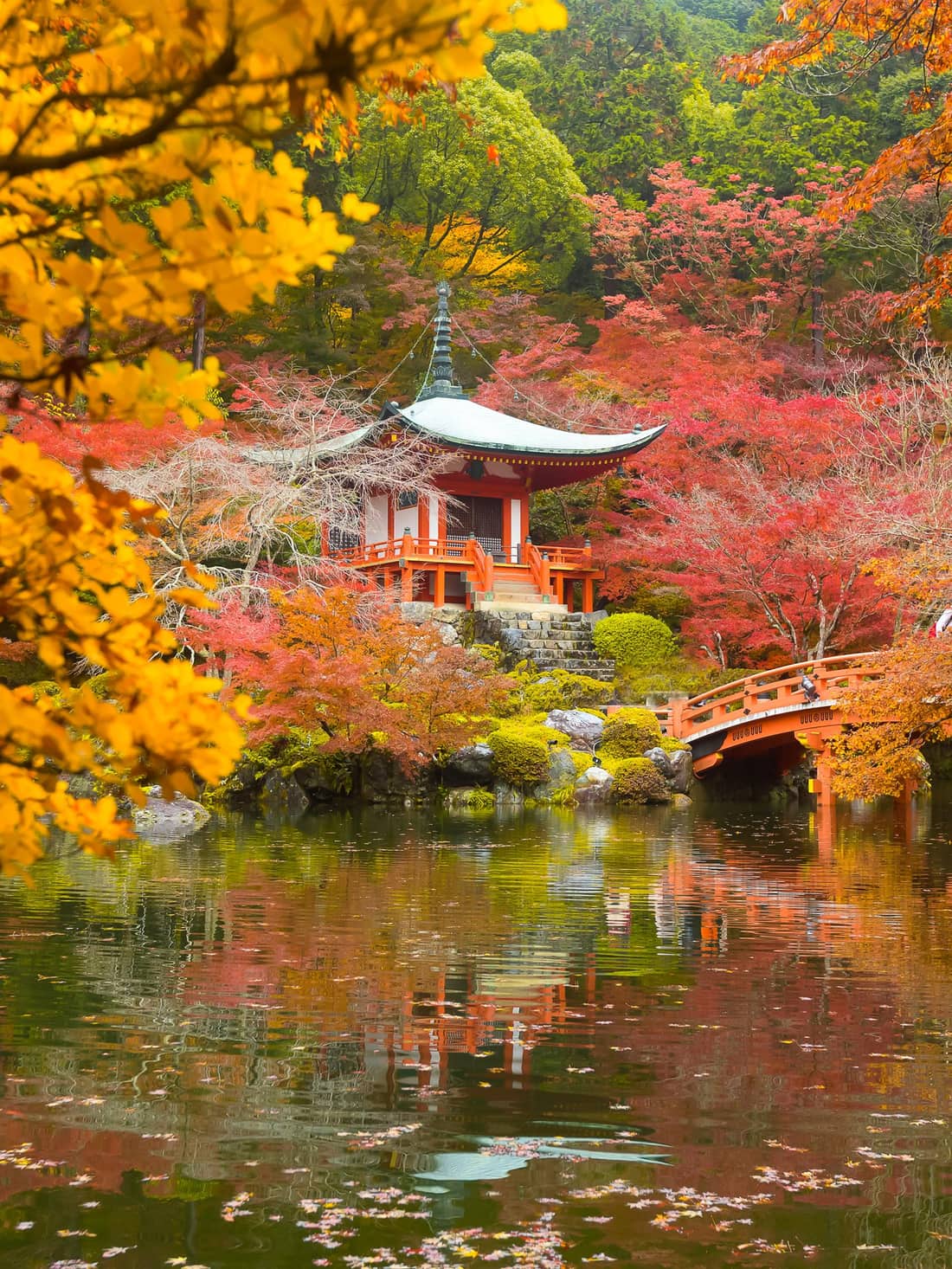
Luxury Kyoto tours for 2027
A city of gardens, kept for twelve centuries by people who never stopped tending them.
The Classic Cherry Blossom Tour of Japan30 March to 10 April 2027, $22,500 per person, twin share


Your part is the garden itself: raked gravel in the afternoon light, and the sound of a bamboo spout filling a stone basin.

tours and prices
Luxury Kyoto tours, small group and private
Our luxury Kyoto tours give the old capital three nights, on The Classic Cherry Blossom Tour of Japan in spring and on each Honshu journey of The Private Collection, on the dates you choose, with a Tour Director beside you every day.
Every journey below includes Kyoto. The published tours and the journeys of The Private Collection are priced per person, twin share, each at one inclusive price: all breakfasts, and all other meals as detailed in the itinerary.
All prices are in US dollars.
 Spring
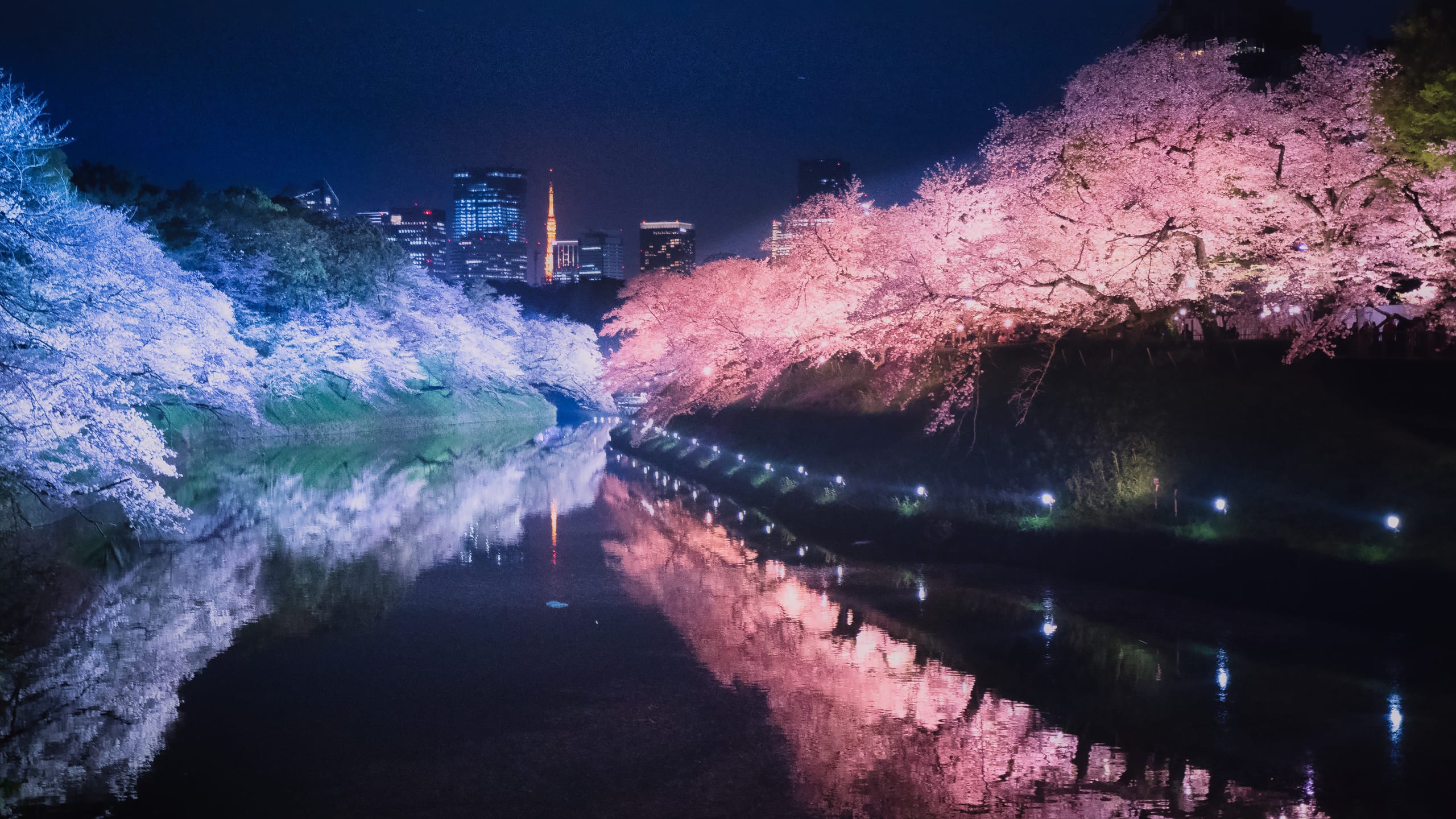
The Classic Cherry Blossom Tour of Japan
12 days30 March to 10 April 2027$22,500per person, twin shareSee the journey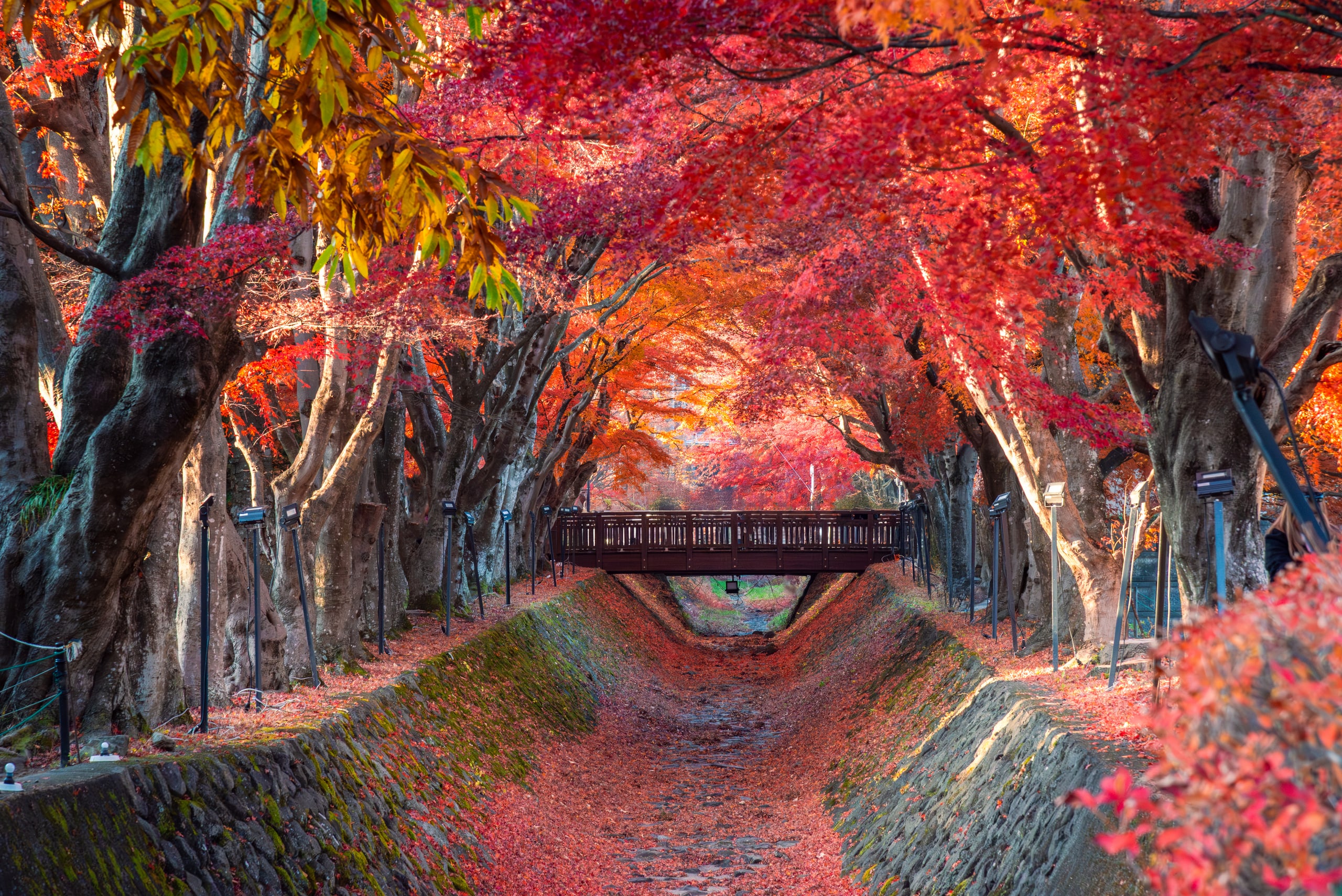 Autumn
The Autumn Leaves Tour of Japan
12 days23 November to 4 December 2027$19,500per person, twin shareSee the journey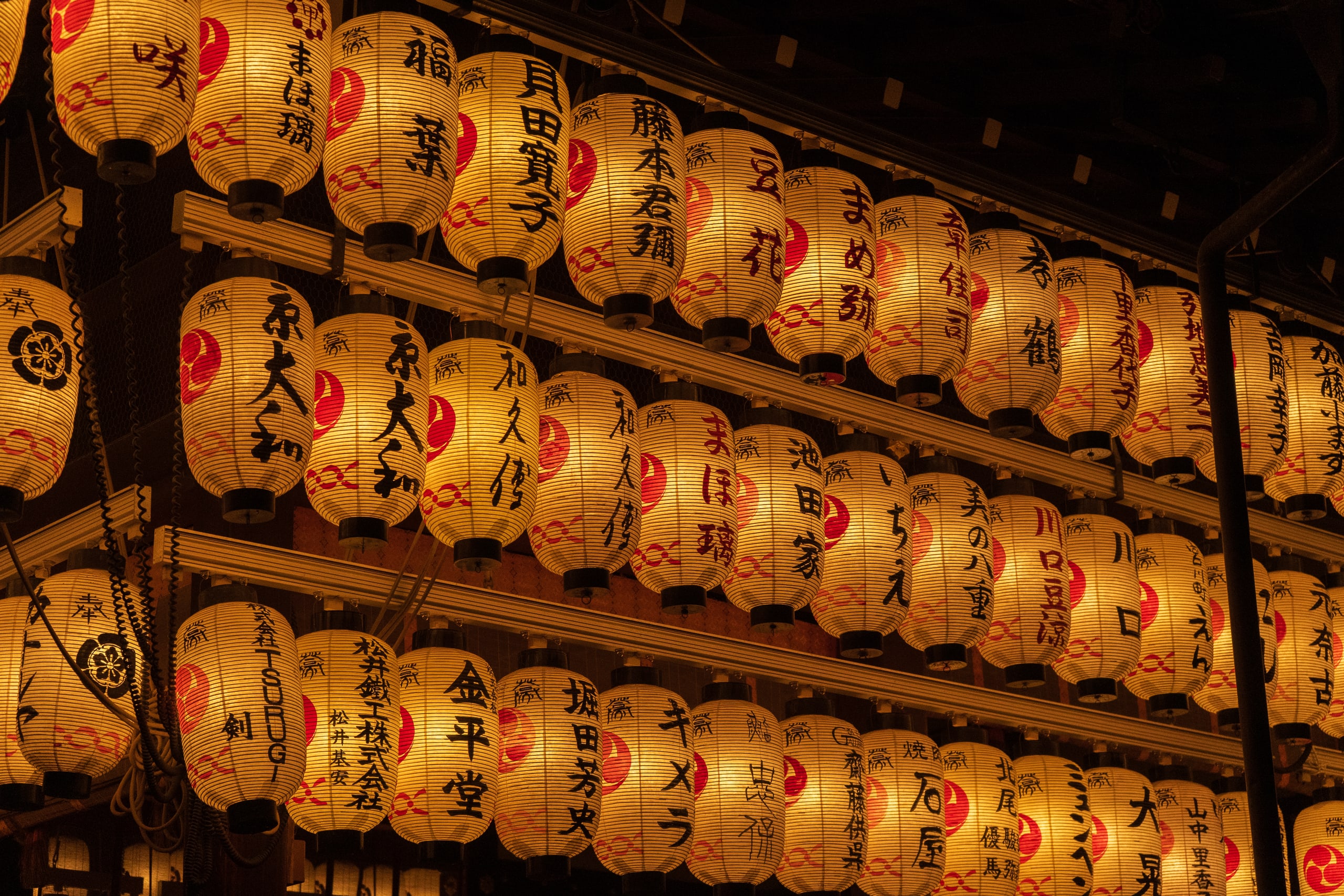 The Private Collection
Essential Japan
9 daysOn the dates you choose$18,000per person, twin shareSee the journey The Private Collection
Classic Japan
11 daysOn the dates you choose$22,000per person, twin shareSee the journey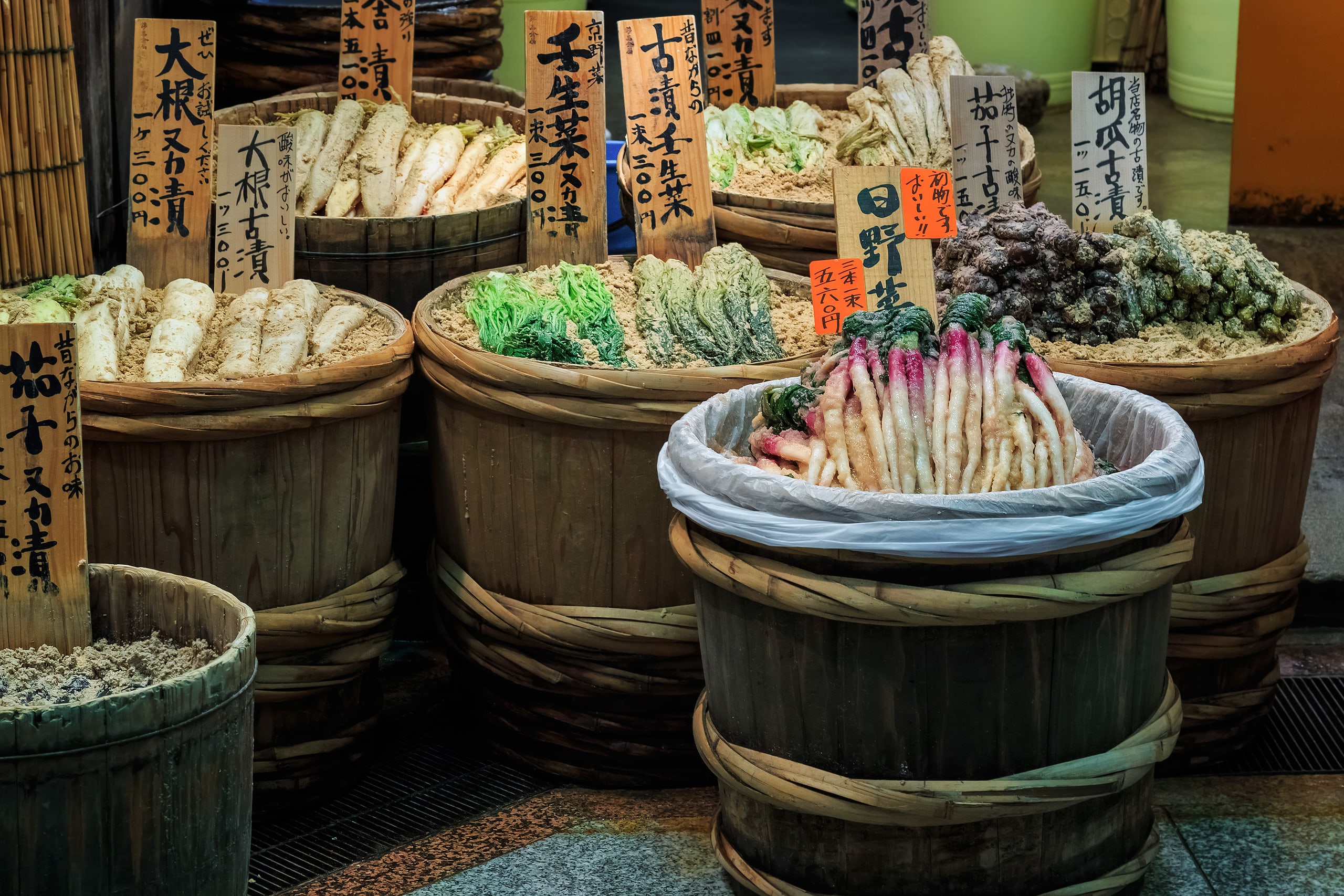 The Private Collection
Definitive Japan
13 daysOn the dates you choose$26,000per person, twin shareSee the journey
The Classic Cherry Blossom Tour of Japan gives Kyoto three nights in Higashiyama: the thousand torii of Fushimi Inari, the Golden Pavilion at Kinkaku-ji, a hanami picnic in the Imperial Palace park with a bento from a Michelin-starred kitchen, kaiseki at a two-Michelin-star restaurant, and an evening in a private teahouse room in Gion, where geiko and maiko dance, pour the sake and lead the old games of the ozashiki. It is limited to 8 guests. The Autumn Leaves Tour of Japan, three nights among the maples of Tofuku-ji and the eastern hills, is sold out for 2026.
Essential Japan, Classic Japan and Definitive Japan each spend three nights in Kyoto, on the dates you choose, with the same Tour Director in every city, from the first evening to the last. One day pairs Fushimi Inari with the deer park and Todai-ji at Nara; the others take in Kinkaku-ji, Kiyomizu-dera and the lanes of Higashiyama, the bamboo grove at Arashiyama, Gion and Nishiki Market, with a private tea ceremony, a sake tasting in Fushimi and a kaiseki dinner.
The Custom Tour of Japan is created around your party alone, from five nights, and Kyoto can open further for you, from a tea master in Uji to a morning at a Nishijin loom. If you would rather travel on your own, the Expert Japan Itinerary plans every day of your journey for you and is delivered in seven working days.
Kyoto in depth
The city
Kyoto was founded in 794 as Heian-kyo and remained the seat of the emperor until 1868. It was spared the air raids of the Second World War, so the city that survives is the original: some 1,600 Buddhist temples, the palaces of emperors and shoguns, wooden townhouses on narrow streets, and the geiko districts of Gion and Pontocho, still working today. Seventeen temples, shrines and a castle in and around the city are inscribed together as a World Heritage Site.
Much of what Kyoto keeps for itself opens by introduction or by application: an evening in an ochaya of Gion, the moss garden of Saiho-ji, the Katsura Imperial Villa. We make those introductions and applications as part of planning your days, and your Tour Director, fluent in English and Japanese, speaks for you at every door, so that your part is the garden itself: raked gravel in the afternoon light, and the sound of a bamboo spout filling a stone basin.
Our tours stay overnightOur tours visit for the dayOn a Custom Tour of Japan
Kyoto, district by district
Kyoto is a grid of streets between three ranges of wooded hills, and your Tour Director plans each day around one or two of its quarters, with a car waiting between them.
Higashiyama and Gion
The eastern hills hold the loveliest lanes in the city: Kiyomizu-dera on its wooden stage above the trees, the stone-paved slopes of Sannenzaka and Ninenzaka, and Gion below, where the teahouses of Hanamikoji stand behind latticed fronts and the Shirakawa canal runs under willows. When the lanterns are lit in the evening, the street belongs to the geiko and maiko on their way to the evening's engagements.
Nanzen-ji and the Philosopher's Path
North of Gion, Nanzen-ji stands at the foot of the hills with a red-brick aqueduct of the Meiji era running through its grounds. From it a path of two kilometres follows a canal north to Ginkaku-ji, the Silver Pavilion, which was never silvered, with its raked sand sea and a cone of sand made for watching the moon.
Arashiyama
On the western edge of the city the Togetsukyo bridge crosses the Hozu River beneath wooded hills, the bamboo grove rises behind Tenryu-ji, and the temple's garden, laid out by the monk Muso Soseki in the fourteenth century, borrows the mountains for its view.
Northern Kyoto
The Golden Pavilion of Kinkaku-ji, mirrored in its pond; Ryoan-ji, whose fifteen stones can never all be seen at once; and Daitoku-ji, a walled precinct of Zen sub-temples. Kamishichiken, the oldest geiko district in Kyoto, lies beside the shrine of Kitano Tenmangu.
The centre
Nishiki Market, a covered street of more than a hundred stalls selling pickles, yuba, knives and tea; Nijo Castle, whose floors were laid to sing like nightingales; the Imperial Palace in its park of more than sixty hectares; and Pontocho, a lane of dining rooms with wooden platforms built out over the Kamo River.
Southern Kyoto and Fushimi
Fushimi Inari Taisha, its vermilion torii climbing the slopes of Mount Inari, and Tofuku-ji, where the Tsutenkyo bridge crosses a ravine of maples. Further south the sake breweries of Fushimi draw on the soft spring water beneath the district, as they have for some four hundred years.
Experiences we arrange in Kyoto
An evening with geiko and maiko
Dinner in a private room of an ochaya in Gion, with the dances, the songs and the conversation of the geiko and maiko who are its guests of honour: an evening opened only by introduction, and one we arrange.
Tea, made for you
A tea ceremony in a temple tea room or a master's own house, slow and explained, from the cleaning of the bowl to the last bow.
Kaiseki at its source
Kyoto is the home of kaiseki, the seasonal multi-course meal of Japan, and its Michelin-starred kitchens are among the most accomplished in the country; a dinner at one is the evening many guests remember longest.
The craftspeople
A morning in the workshop of a Nishijin weaver, a Kiyomizu potter or a maker of lacquer, in the hands of people whose families have practised the craft for generations.
The sake of Fushimi
A tasting at a brewery in Fushimi, where the soft spring water beneath the district has made sake for some four hundred years, poured by the brewer and matched to the season's dishes.
Kyoto through the year
- Spring
- The great weeping cherry of Maruyama Park, lit after dark, and the blossom along the stone banks of the Shirakawa canal and through the Imperial Palace park, where The Classic Cherry Blossom Tour of Japan sits down to its hanami picnic. The tour runs from 30 March to 10 April 2027.
- Summer
- July is the month of the Gion Matsuri, when the great wooden floats of the old merchant quarters are drawn through the centre of the city, and dinner moves out over the water, onto the platforms above the Kamo River and the stream at Kibune.
- Autumn
- The maples of Tofuku-ji turn beneath the Tsutenkyo bridge, and Eikando and Nanzen-ji colour against the eastern hills.
- Winter
- The temples are quiet, the dry gardens sharp in the low light, and on the mornings it snows the Golden Pavilion stands above its pond in white and gold.
Planning your days in Kyoto
- How long to stay
- Three nights is the least we would give Kyoto on a first journey, and four or five lets the city unfold at an easy pace, with a day for Nara or Uji and an evening in Gion.
- Getting there
- By Shinkansen from Tokyo in a little over two hours, in first class on our journeys. From Kansai International Airport a private car takes about ninety minutes, and Osaka is fifteen minutes away.
where you stay
Where you stay in Kyoto
You stay in the finest luxury hotels and ryokan in Japan, each one chosen personally by us for its luxury, its comfort and its setting.
In Kyoto our journeys stay in Higashiyama, a few minutes on foot from the teahouses of Gion and the stone lanes that climb towards Kiyomizu-dera, so that an evening walk through the old city begins at the door.
Kyoto's luxury hotels and ryokan, ranked and district by district
questions
Luxury Kyoto tours: questions answered
How much does a luxury tour of Kyoto cost?
The Classic Cherry Blossom Tour of Japan, with three nights in Kyoto, is $22,500 per person, twin share, for twelve days from 30 March to 10 April 2027. Essential Japan, a journey of The Private Collection with three nights in Kyoto, is $18,000 per person, twin share, on the dates you choose. Each is one inclusive price: all breakfasts, and all other meals as detailed in the itinerary. A Custom Tour of Japan, created around your party alone, is from $3,500 per person, per day.
What is the best tour to take in Kyoto?
In spring, The Classic Cherry Blossom Tour of Japan: three nights in Kyoto, a hanami picnic in the Imperial Palace park and an evening with geiko and maiko in Gion, limited to 8 guests. On dates of your own, a journey of The Private Collection, private to your party. For a Kyoto shaped entirely around your interests, the Custom Tour of Japan.
Are your Kyoto tours private or small group?
Both. The Classic Cherry Blossom Tour of Japan is a small group tour, limited to 8 guests. The journeys of The Private Collection and the Custom Tour of Japan are private: your party alone, on the dates you choose.
How many days do you need in Kyoto?
Three nights at the least, and four or five for a first visit, so that the temples can be seen at an easy pace with time left for Gion in the evening and a day out to Nara or Uji.
Where is the best area to stay in Kyoto?
Higashiyama, around Gion, for the temples, the old streets and evenings in the geiko district; along the Kamo River or near Nijo for the newer hotels and the centre; Arashiyama or the northern hills for quiet.
Can you meet a geisha in Kyoto?
Yes, at a dinner in an ochaya, a teahouse of Gion or Pontocho, which opens its doors by introduction. Some private lanes of Gion are now closed to visitors, so an evening arranged properly is the way to meet geiko and maiko.
When is the best time to visit Kyoto?
Each season has its own Kyoto: the blossom in spring, the Gion Matsuri in July, the maples in autumn and the quiet of the temples in winter. The Classic Cherry Blossom Tour of Japan travels from 30 March to 10 April 2027, and the journeys of The Private Collection run on the dates you choose.
Which Kyoto temples need advance booking?
Saiho-ji, the moss temple, and the Katsura Imperial Villa both admit visitors by application only, and we make those applications as part of planning a Kyoto stay.
How do you get from Tokyo to Kyoto?
By the Tokaido Shinkansen, a little over two hours on the fastest trains. On our journeys you travel in first class, and a private car meets you in Kyoto.
reading
More on Kyoto, and the places around it
Kyoto, planned for you.
Tell us when you would like to travel and what draws you to Kyoto, and we will answer with the journey that suits you best: one of our published tours, a journey of The Private Collection, or a Custom Tour of Japan created around your party alone.