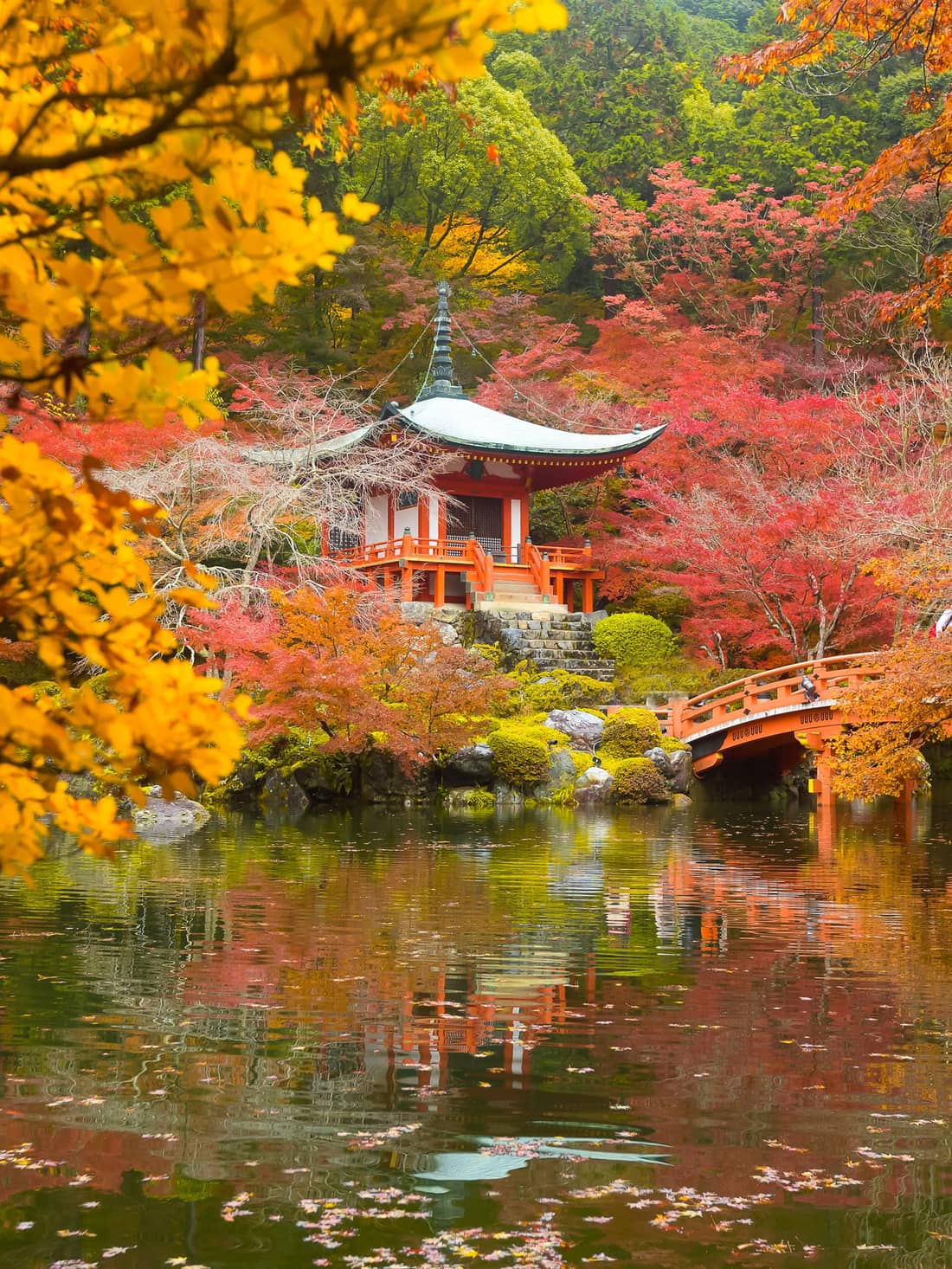

kansaikyoto
Kyoto
Kyoto is the old imperial capital of Japan, in the Kansai region of western Honshu, where the emperors reigned for more than a thousand years and some 1,600 Buddhist temples and 400 Shinto shrines still stand.
A townhouse door at night, Kyoto
- Prefecture
- Kyoto
- Region
- Kansai
- Journeys
- Five include Kyoto
overview
A city of gardens, kept for twelve centuries by people who never stopped tending them.
Kyoto was founded in 794 as Heian-kyo, a grid of avenues laid out on the Chinese model between three ranges of wooded hills, and it remained the seat of the emperor until 1868, when the court moved to Tokyo. It was spared the air raids of the Second World War, so the city that survives is the real one: Zen temples and their dry gardens, the palaces of shoguns and emperors, wooden townhouses on narrow streets, and the geisha districts of Gion and Pontocho, still working today.
Seventeen of its temples, shrines and castles are inscribed together as a World Heritage Site, the Historic Monuments of Ancient Kyoto. They include the Golden Pavilion of Kinkaku-ji, the wooden stage of Kiyomizu-dera, the rock garden of Ryoan-ji and Nijo Castle, and they are only the beginning: there are temples in Kyoto that receive a handful of visitors in a day, and gardens that open only by application.
Kyoto is also where Japanese refinement was formed. The tea ceremony, kaiseki cuisine, ikebana and the arts of the geiko were shaped here, and its craftspeople still weave Nishijin brocade, throw Kiyomizu ware and lacquer in workshops their families have kept for generations. To understand Japan, you come to Kyoto, and you give it time.
Our tours stay overnightOur tours visit for the dayOn a Custom Tour of Japan
see and do
What to see in Kyoto
Kiyomizu-dera
A temple founded in 778 on the slopes of Higashiyama, its great wooden stage built out over the trees on a frame of tall pillars, with the whole city laid out below.
Fushimi Inari Taisha
The head shrine of Inari, the deity of rice and prosperity, whose thousands of vermilion torii, each given by a business or a family, form tunnels up the wooded slopes of Mount Inari.
Kinkaku-ji, the Golden Pavilion
The retirement villa of the shogun Ashikaga Yoshimitsu, its upper floors covered in gold leaf and mirrored in a pond set with pine islands. The present pavilion is a faithful rebuilding of 1955.
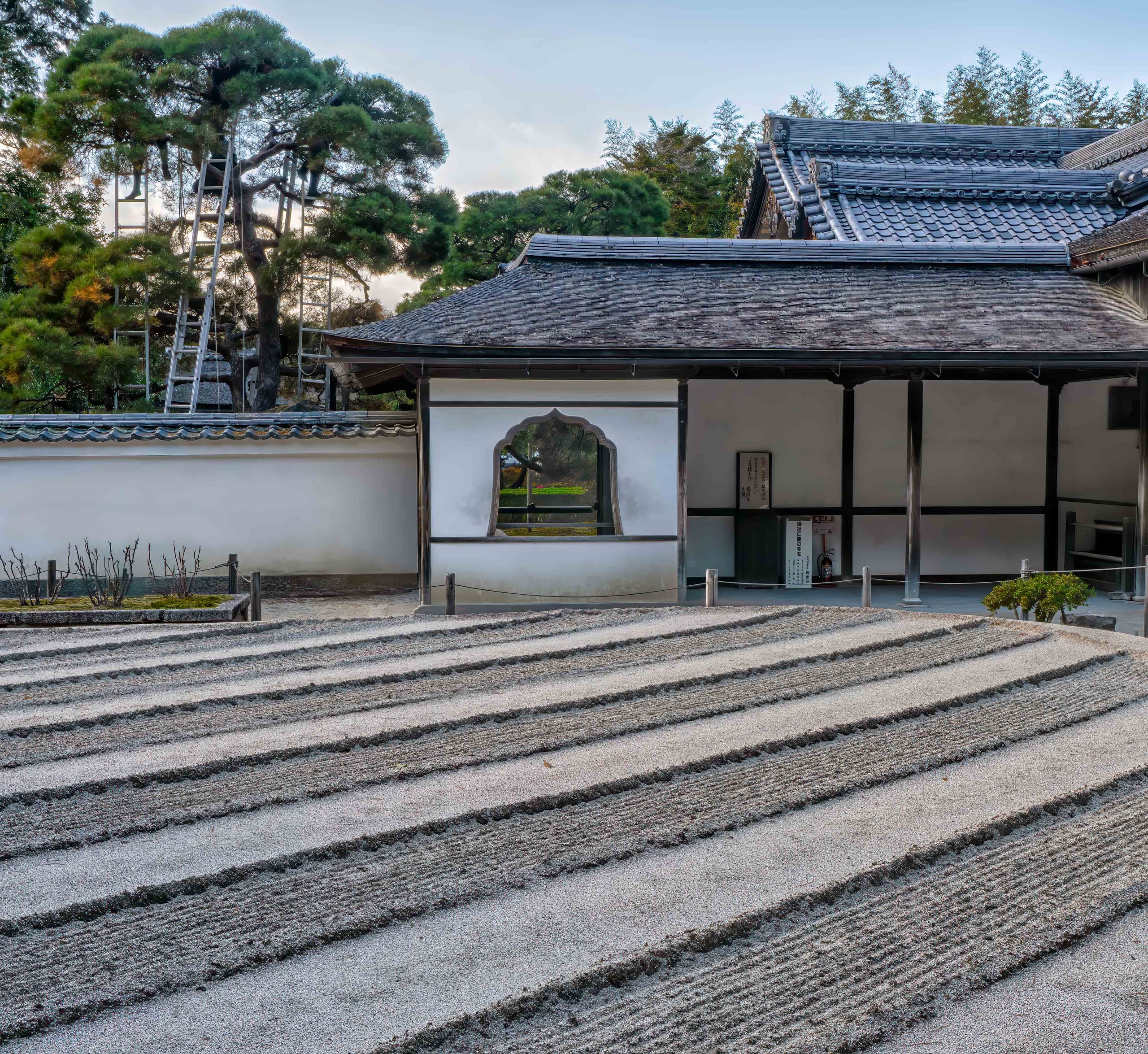
The sand garden at Ginkaku-ji Ginkaku-ji, the Silver Pavilion
The villa of Ashikaga Yoshimitsu's grandson Yoshimasa, never silvered, and the more beautiful for it: a raked sand sea and a flat-topped cone of sand made for watching the moon, beneath a moss garden on the hill.
Ryoan-ji
The most famous dry garden in Japan: fifteen stones set in raked white gravel within an old earthen wall, arranged so that from no point on the veranda can all fifteen be seen at once.
Arashiyama and Tenryu-ji
The western edge of the city, where the Togetsukyo bridge crosses the Hozu River beneath the hills, the bamboo grove rises behind, and Tenryu-ji's garden, laid out by the monk Muso Soseki in the fourteenth century, borrows the mountains for its view.
Gion and Hanamikoji
The geisha district of Higashiyama, its teahouses behind latticed fronts on stone-paved streets, and the willow-lined Shirakawa canal at its edge, loveliest in the evening as the lanterns are lit.
Nijo Castle
The Kyoto residence of the Tokugawa shoguns, built in 1603, where the floors of the Ninomaru Palace were laid to sing like nightingales under any step, and where the last shogun returned power to the emperor in 1867.
Sanjusangen-do
A temple hall 120 metres long, the longest wooden building in Japan, with 1,001 gilded statues of the thousand-armed Kannon in silent ranks.
Daitoku-ji
A walled precinct of Zen sub-temples in the north of the city, among them Daisen-in, whose small dry garden tells the course of a river from mountain to sea in stone and sand.
Nanzen-ji and the Philosopher's Path
A great Zen temple at the foot of the eastern hills, with a red-brick aqueduct of the Meiji era running through its grounds, and from it a canal-side path of two kilometres north to Ginkaku-ji.
Tofuku-ji
A great Zen temple in the south-east of the city, where the wooden Tsutenkyo bridge crosses a ravine of maples, and the abbot's quarters are surrounded by four gardens laid out in 1939 by Shigemori Mirei, moss and stone set in a chequerboard.
The Kyoto Imperial Palace
The emperors' palace until 1868, its halls of cypress bark and white gravel courts set in a park of more than sixty hectares in the centre of the city; the Sento Palace garden beside it is seen by advance reservation.
Pontocho and the Kamo River
A narrow lane of teahouses and dining rooms running beside the Kamo River, with wooden platforms built out over the water, and the river path below it, where Kyoto walks in the evening.
Nishiki Market
A covered street of more than a hundred stalls in the centre of the city, called Kyoto's kitchen: pickles, tofu, Kyoto vegetables, fresh yuba, knives and tea.
Katsura Imperial Villa and Saiho-ji
Two of the most admired gardens in Japan, both visited by advance application only: the seventeenth-century imperial villa and strolling garden at Katsura, and the moss garden of Saiho-ji, carpeted in more than a hundred kinds of moss.

experiences
The best of Kyoto
An evening with geiko and maiko
Dinner in a private room of an ochaya in Gion, with the dances, the songs and the conversation of the geiko and maiko who are its guests of honour: an evening opened only by introduction, and one we arrange.
Tea, made for you
A tea ceremony in a temple tea room or a master's own house, slow and explained, from the cleaning of the bowl to the last bow.
Kaiseki at its source
Kyoto is the home of kaiseki, the seasonal multi-course meal of Japan, and its Michelin-starred kitchens are among the most accomplished in the country; a dinner at one is the evening many guests remember longest.
The craftspeople
A morning in the workshop of a Nishijin weaver, a Kiyomizu potter or a maker of lacquer, in the hands of people whose families have practised the craft for generations.
A garden after the gates close
On the Custom Tour of Japan we arrange a temple garden in Kyoto after its gates have closed to visitors, lit and quiet for your party alone.
plan your visit
Kyoto on a journey through Japan
- How long to stay
- Three nights is the least we would give Kyoto on a first journey, and four or five lets the city unfold at an easy pace, with a day for Nara or Uji and an evening in Gion.
- Getting there
- By the Tokaido Shinkansen from Tokyo in a little over two hours. From Kansai International Airport the Haruka express takes about seventy-five minutes and a private car about ninety; Osaka is fifteen minutes away by Shinkansen.
where to stay
Luxury hotels and ryokan in Kyoto
Many of Kyoto's most distinguished hotels stand in Higashiyama, the eastern quarter of temples and old streets around Gion, where an evening walk takes you past the teahouses of Hanamikoji and up the lanes towards Kiyomizu-dera. Along the Kamo River and around Nijo, the newer luxury hotels are built around gardens of their own, close to the centre and to Nishiki Market.
For something quieter, Arashiyama has ryokan reached by boat on the Hozu River, and Takagamine, in the hills of the north, has a garden resort in a forest of its own. Kyoto's two most celebrated ryokan, kept for generations by the same families, stand side by side in the centre of the city.
- Aman Kyoto
- Four Seasons Hotel Kyoto
- Hiiragiya
- Hoshinoya Kyoto
- Hotel The Celestine Kyoto Gion
- Hotel The Mitsui Kyoto
- Park Hyatt Kyoto
- Six Senses Kyoto
- The Hiramatsu Kyoto
- The Ritz-Carlton, Kyoto
- The Shinmonzen
- Hyatt Regency Kyoto
- Tawaraya
Kyoto's luxury hotels and ryokan, in our order and by district
journeys
Tours of Japan that include Kyoto
Each journey below includes Kyoto; choose one to see its route, dates and price. For a journey on your own dates, the Custom Tour of Japan can include Kyoto and anywhere else you would like to go.
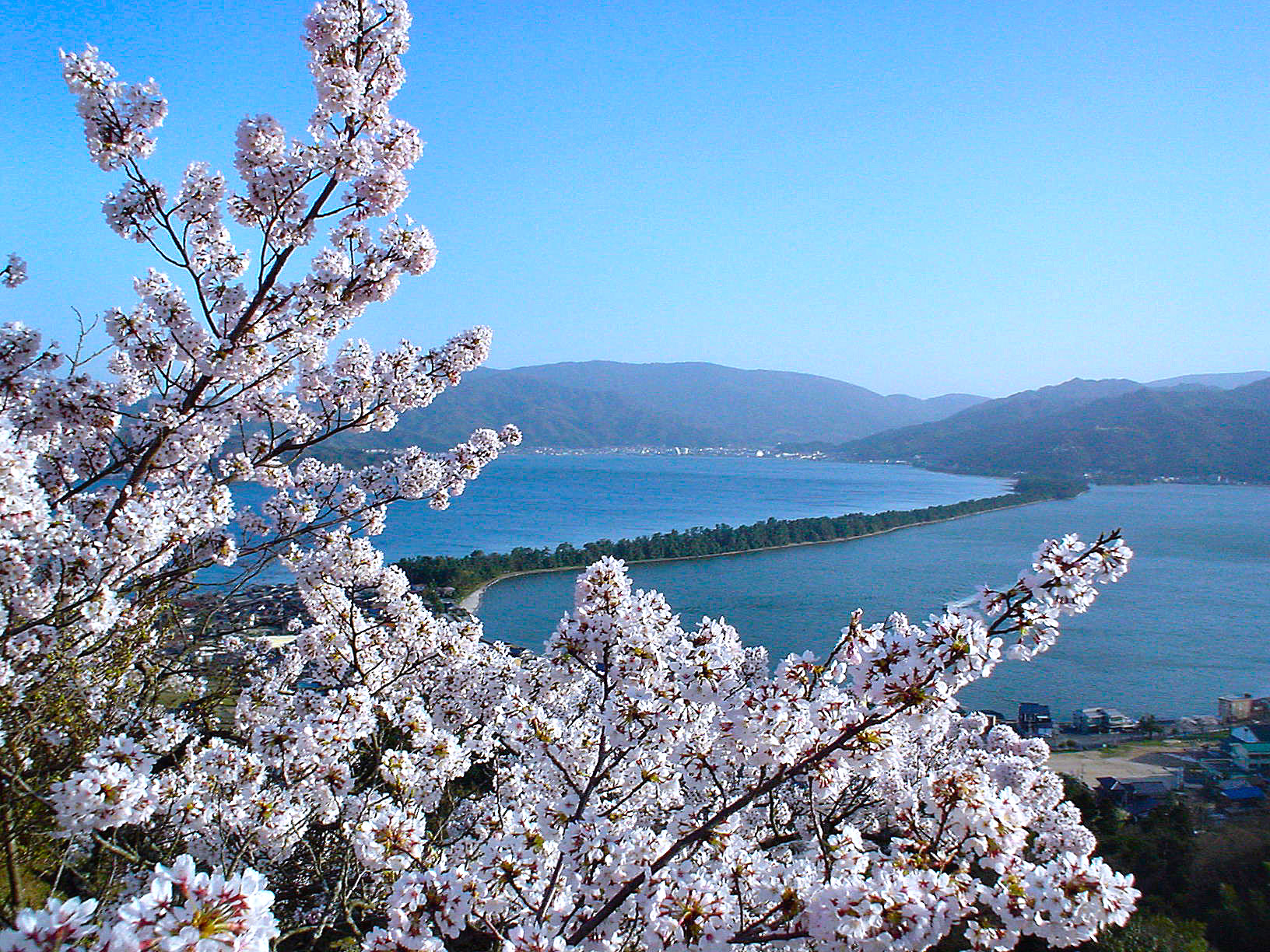 Spring
The Classic Cherry Blossom Tour of Japan
12 days30 March to 10 April 2027$19,500per person, twin shareSee the journey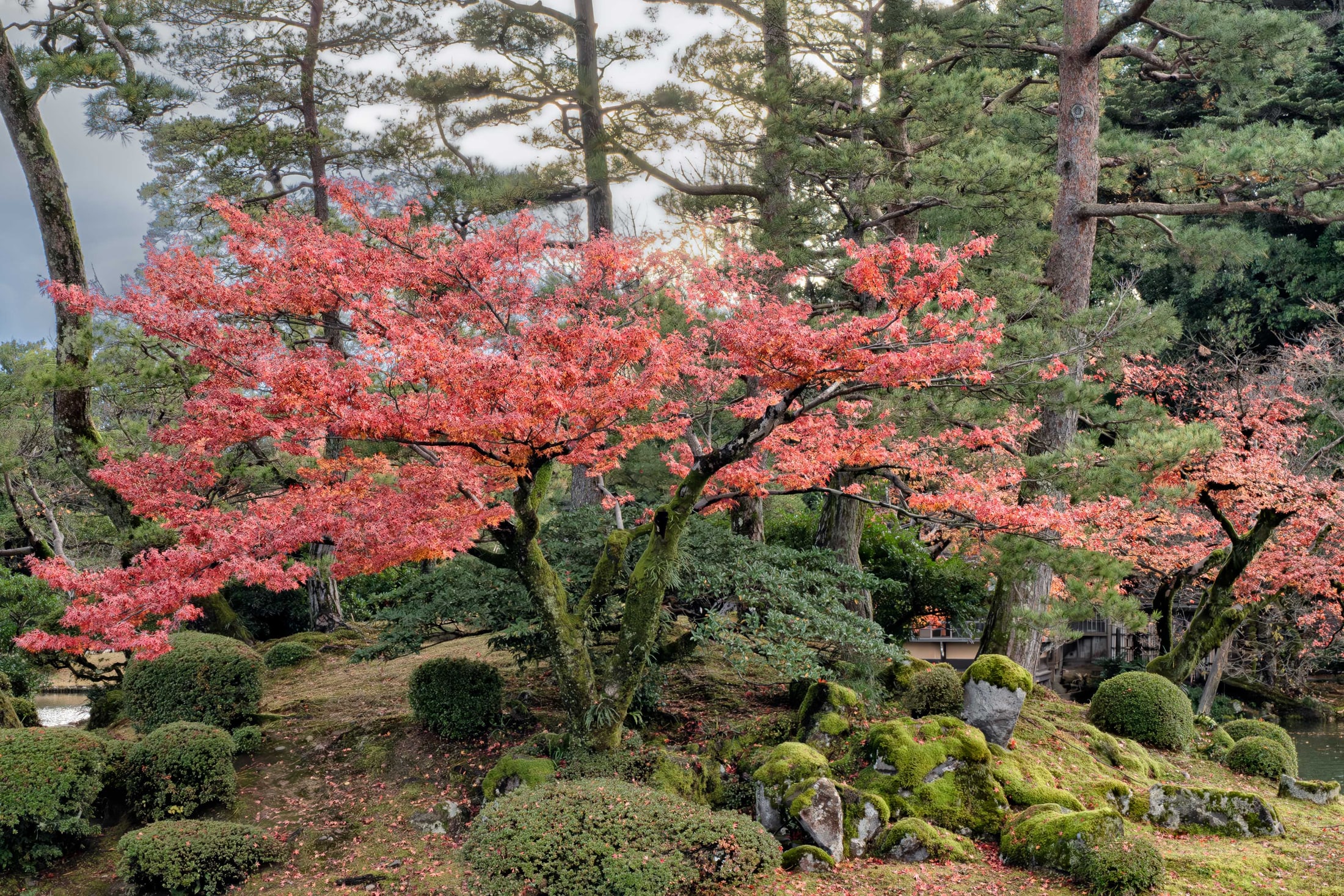 Autumn
The Autumn Leaves Tour of Japan
12 days23 November to 4 December 2026, sold out$19,500per person, twin shareSee the journey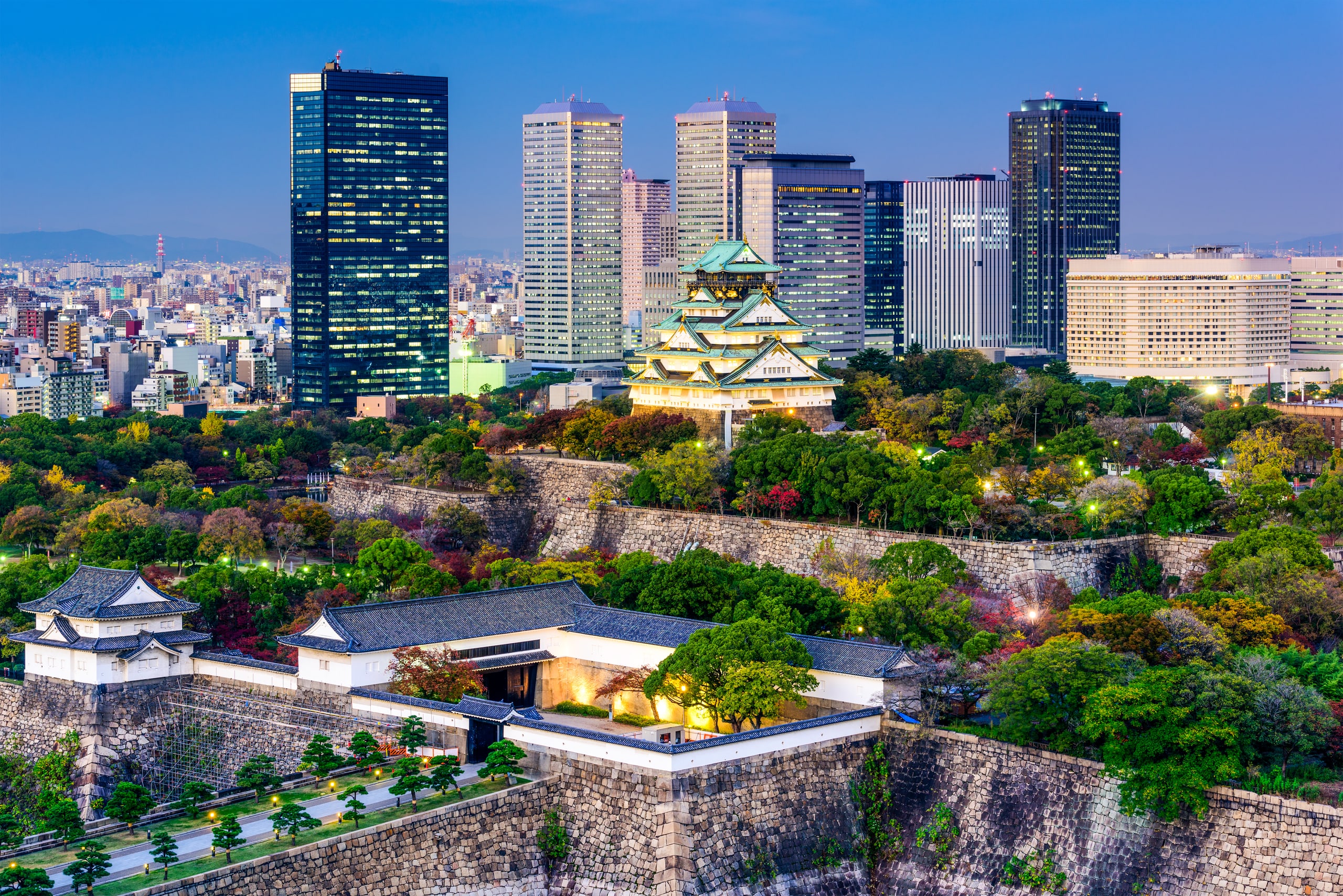 The Private Collection
Essential Japan
9 daysOn the dates you choose$18,000per person, twin shareSee the journey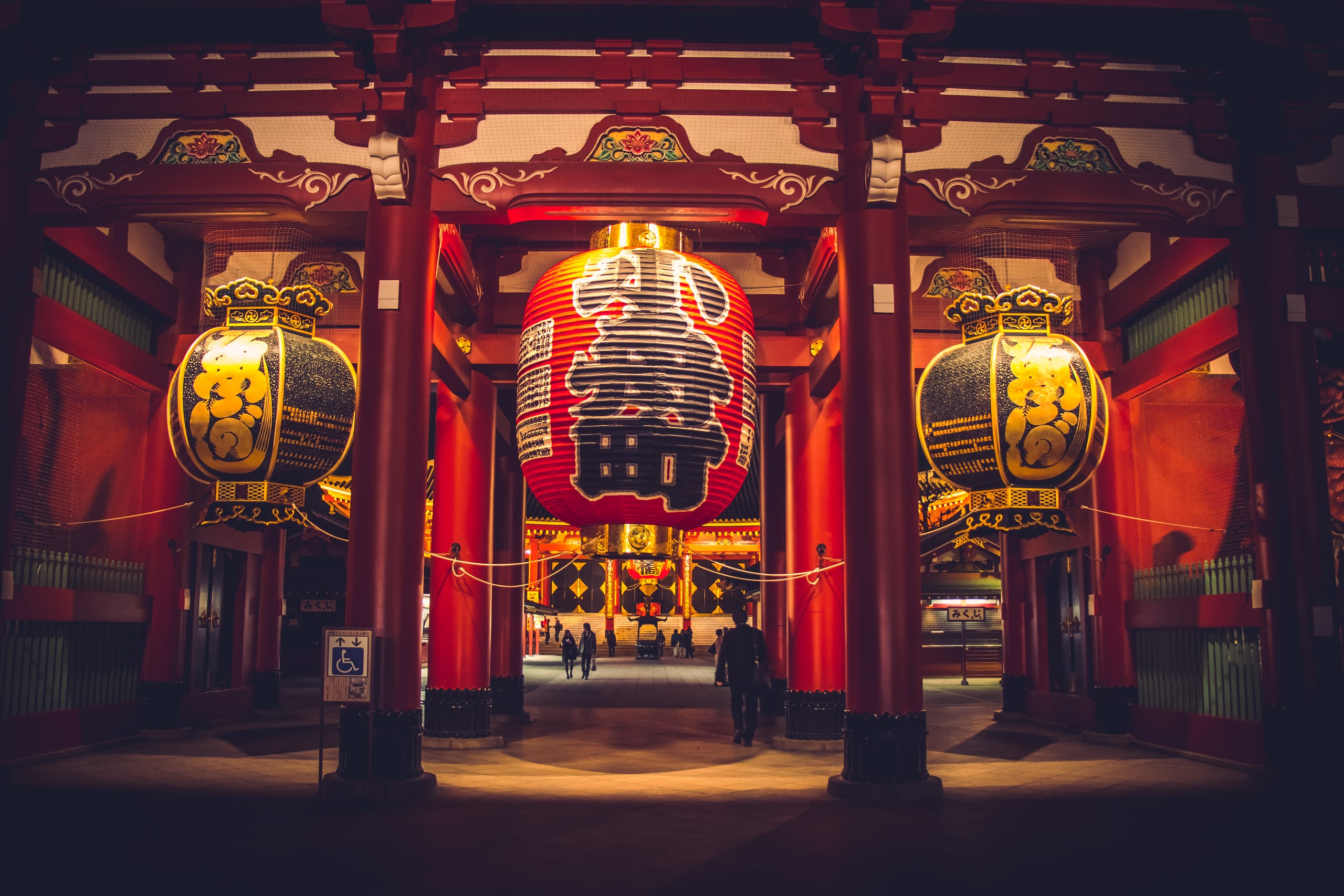 The Private Collection
Classic Japan
11 daysOn the dates you choose$22,000per person, twin shareSee the journey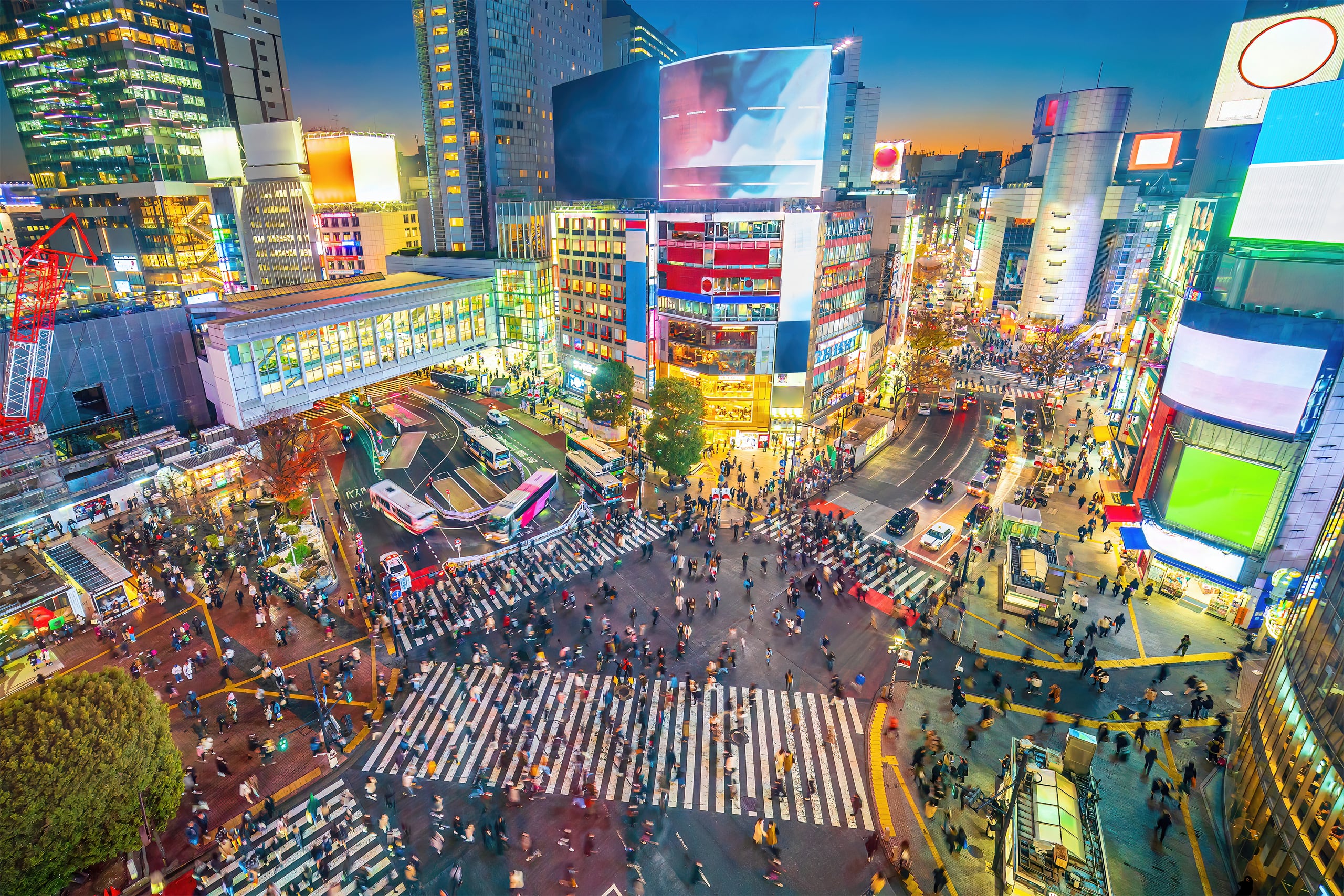 The Private Collection
Definitive Japan
13 daysOn the dates you choose$26,000per person, twin shareSee the journey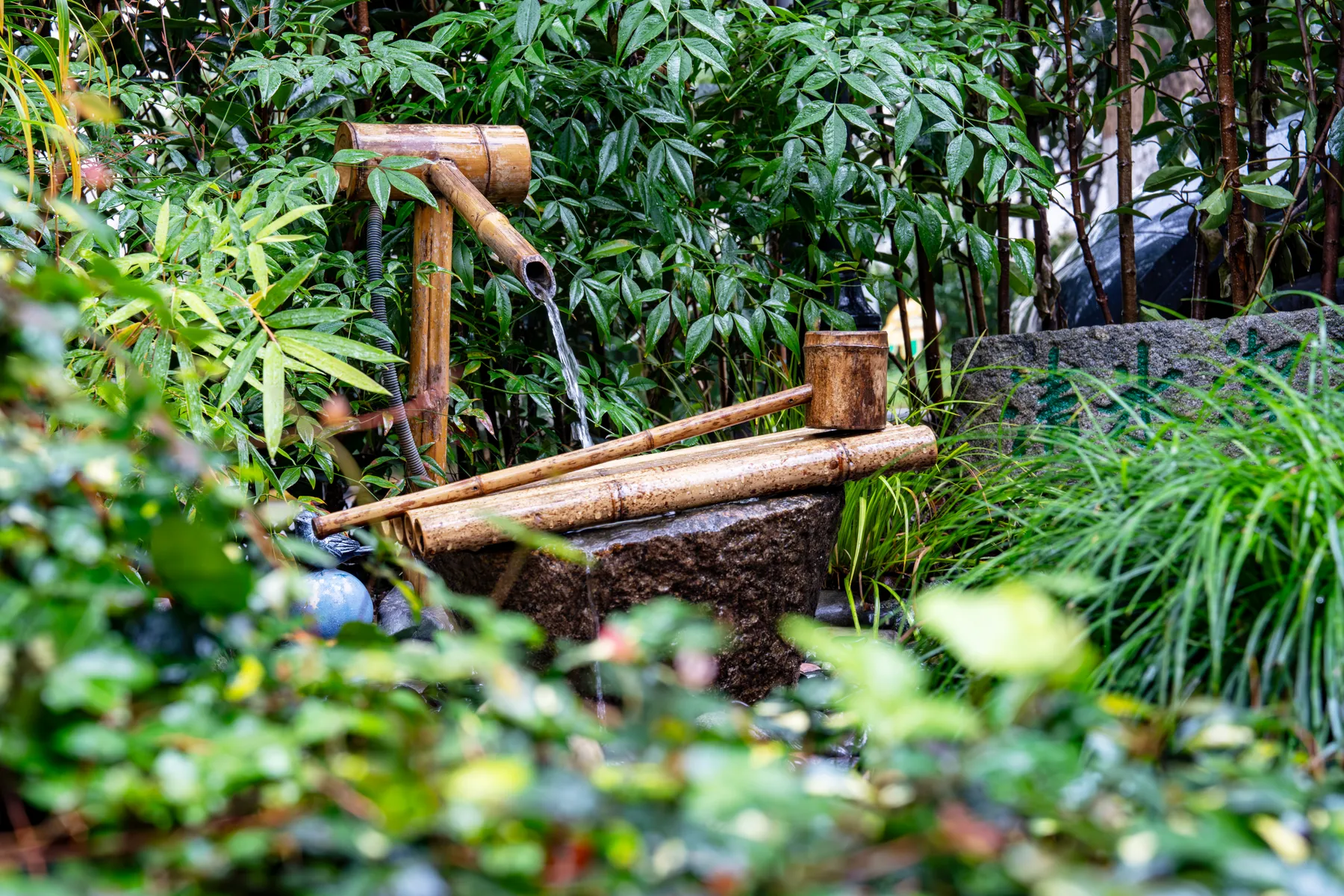 Planned around you
The Custom Tour of Japan
Your party aloneWith your own Tour DirectorFrom five nights, on the dates you chooseSee the journey
questions
Kyoto: questions answered
How many days do you need in Kyoto?
Three nights at the least, and four or five for a first visit, so that the temples can be seen at an easy pace with time left for Gion in the evening and a day out to Nara or Uji.
Where is the best area to stay in Kyoto?
Higashiyama, around Gion, for the temples, the old streets and evenings in the geisha district; along the Kamo River or near Nijo for the newer hotels and the centre; Arashiyama or the northern hills for quiet.
How do you get from Tokyo to Kyoto?
By the Tokaido Shinkansen from Tokyo or Shinagawa station, a little over two hours on the fastest trains. On our journeys a private car meets you at Kyoto Station.
Can you meet a geisha in Kyoto?
Yes, at a dinner in an ochaya, a teahouse of Gion or Pontocho, which opens its doors by introduction. Some private lanes of Gion are now closed to visitors, so an evening arranged properly is the way to meet geiko and maiko.
What is the difference between a geiko and a maiko?
A maiko is an apprentice geiko, with long trailing obi and elaborate hair ornaments; a geiko is a fully trained geisha, as the profession is called in Kyoto, more simply dressed.
Is Kyoto better than Tokyo?
They are different cities and most journeys include both: Tokyo for its energy, its food and its modern Japan, Kyoto for its temples, gardens and traditional arts. Two to three nights in Tokyo and three to five in Kyoto is a balance that suits most first journeys.
Is Arashiyama worth visiting?
Yes. Arashiyama, on the western edge of Kyoto, has the bamboo grove, the garden of Tenryu-ji, the Togetsukyo bridge and the Okochi Sanso villa, and the boat down the Hozu River gorge is the loveliest way to arrive.
What is Kyoto known for?
Its temples and gardens, the geisha districts of Gion and Pontocho, the tea ceremony, kaiseki cuisine and its crafts, from Nishijin weaving to Kiyomizu ware. It was the imperial capital of Japan for more than a thousand years.
Which Kyoto temples need advance booking?
Saiho-ji, the moss temple, and the Katsura Imperial Villa both admit visitors by application only, and we make those applications as part of planning a Kyoto stay.
Which Luxury Japan Travel journeys include Kyoto?
The Classic Cherry Blossom Tour of Japan, The Autumn Leaves Tour of Japan, Essential Japan, Classic Japan and Definitive Japan include nights in Kyoto. The Custom Tour of Japan can include Kyoto on any dates, created around your party alone.
Can Kyoto be part of a private tour of Japan?
Yes. The Custom Tour of Japan is created around your party alone, on your dates, with a Tour Director beside you, and it can include Kyoto. For independent travel, the Expert Japan Itinerary plans every day for you.
kansai
More in Kansai
Every place in Kansai
Kyoto, planned for you.
Tell us when you would like to travel and what draws you to Kyoto. We will answer with a journey shaped around it: one of our tours, a journey of The Private Collection, or a Custom Tour of Japan created around your party alone.