






chubushizuoka
Izu Peninsula
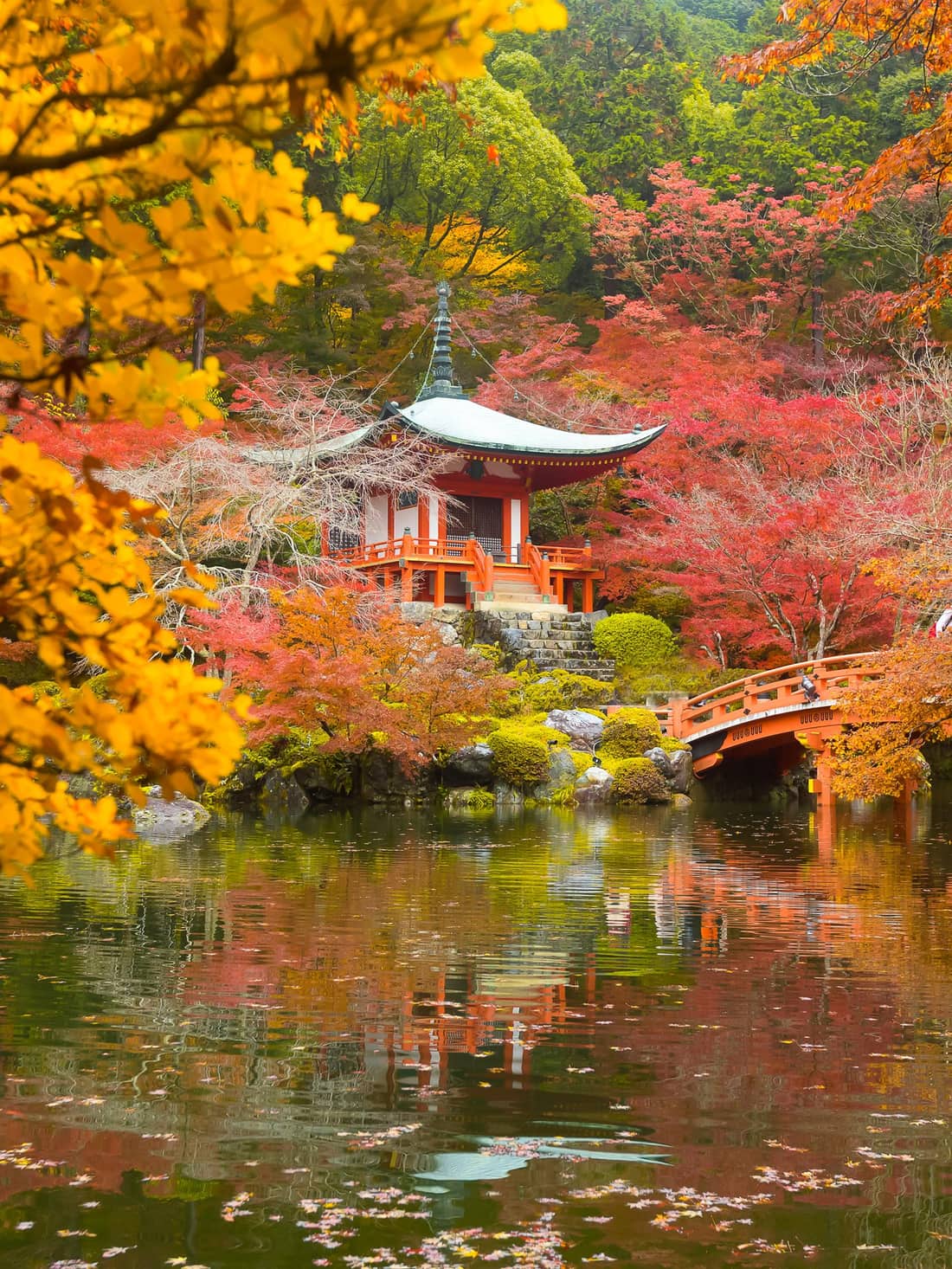
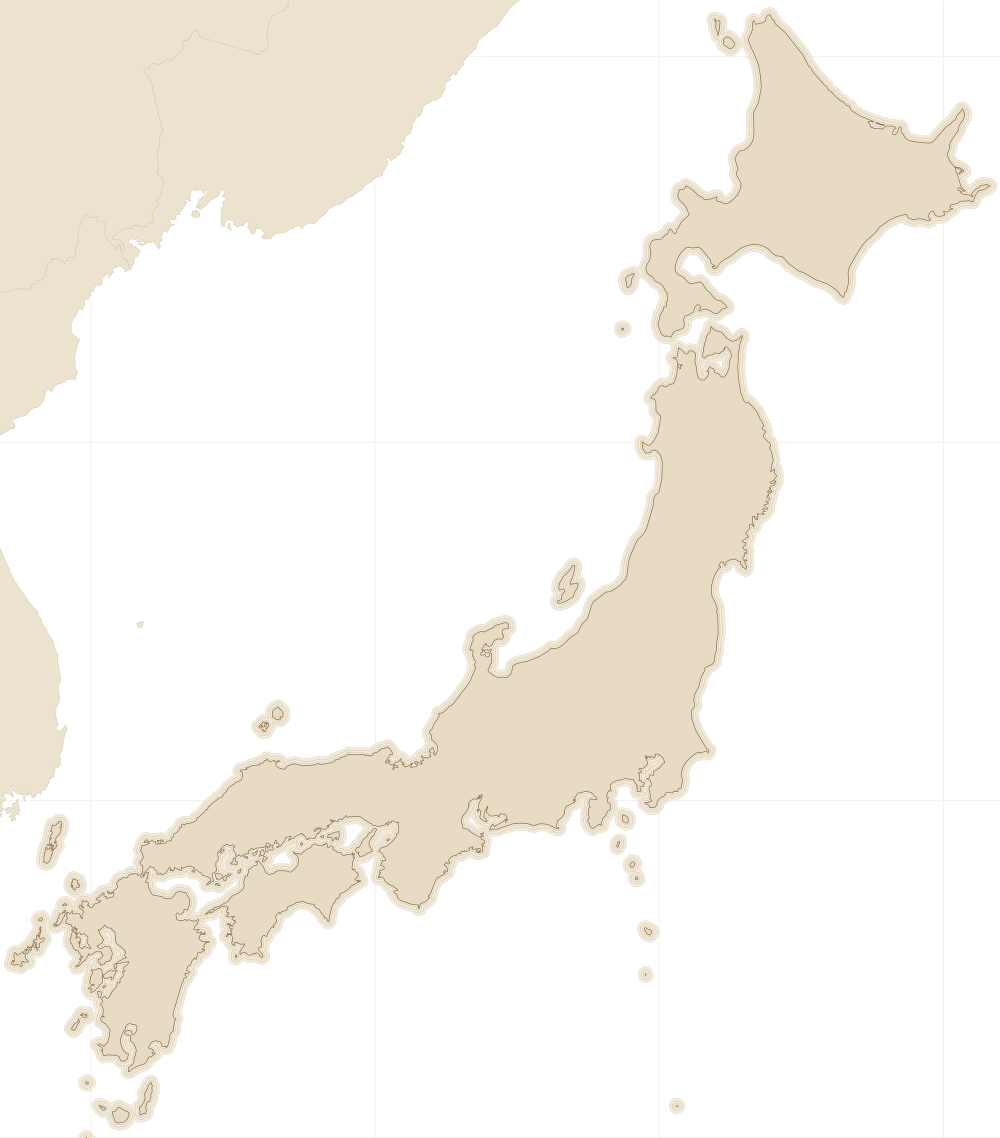
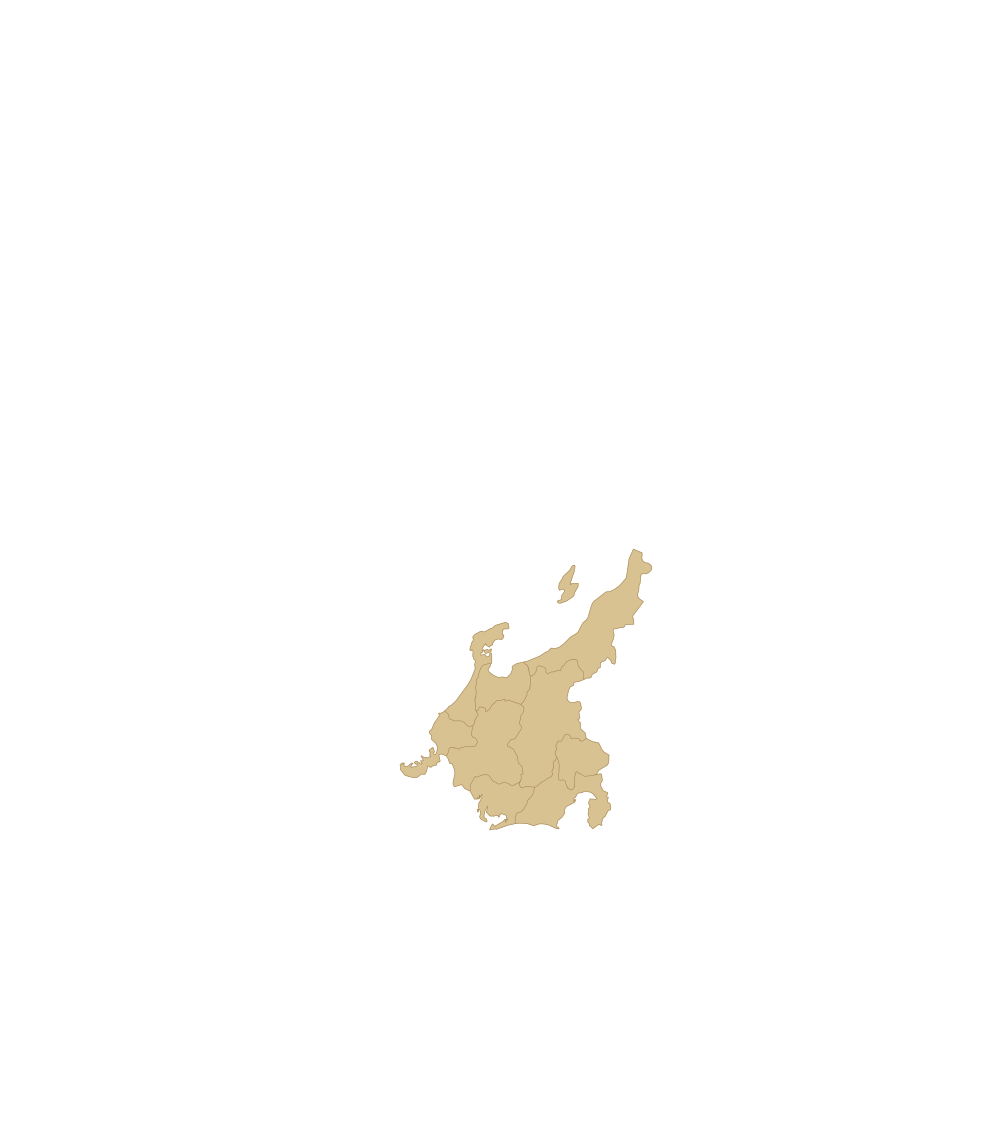
The Izu Peninsula is a mountainous promontory of onsen villages and volcanic coast in Shizuoka Prefecture, in the Chubu region, south of Mount Fuji, its northern edge less than an hour from Tokyo by Shinkansen.
- Prefecture
- Shizuoka
- Region
- Chubu
- Journeys
- The Custom Tour of Japan
overview
Onsen in the valleys, the sea on three sides, and Mount Fuji over the water.
Izu reaches south into the Pacific from the foot of Mount Fuji, some sixty kilometres of forested mountains with the sea on three sides. It was made by volcanoes, and it is a UNESCO Global Geopark: black cliffs and sea caves on its coasts, columnar basalt behind its waterfalls, and hot springs in almost every valley. For more than a century it has been where Tokyo goes to the onsen, and its ryokan, in the hills of Shuzenji and Amagi and along the coast from Atami to Shimoda, are among the most loved in Japan.
The peninsula is full of history. Shuzenji takes its name from a temple founded, by tradition, by Kobo Daishi in 807, and its temple is bound up with the story of the Minamoto shoguns of Kamakura. At Nirayama, a reverberatory furnace built in 1857 to cast cannon is part of the World Heritage Site of Japan's Meiji industrial revolution. And at Shimoda, on the southern tip, Commodore Perry's ships anchored in 1854 after the treaty that opened Japan, and the first American consul in Japan, Townsend Harris, set up his consulate in a temple there two years later.
Izu is also a country of writers and of food. Kawabata Yasunari wrote The Izu Dancer after walking over the Amagi Pass, and the peninsula's mountain streams grow wasabi in terraces recognised as a Globally Important Agricultural Heritage System. Its fishing ports land kinmedai, the red-scaled alfonsino of these waters, and from the western coast, across Suruga Bay, Mount Fuji rises out of the sea.
see and do
What to see in the Izu Peninsula
Shuzenji Onsen
An onsen village in the centre of the peninsula on the Katsura River, with the temple of Shuzen-ji, a bamboo grove path along the water, and the Tokko-no-yu spring, said to have been struck from the rock by Kobo Daishi.
Joren Falls
A waterfall of twenty-five metres in the forest near Yugashima, falling over basalt columns into a pool among the wasabi terraces of the Amagi mountains.
The wasabi terraces of Amagi
Stepped fields of clear running water in the mountain valleys, where wasabi has been grown for centuries in the traditional way, part of the Shizuoka wasabi cultivation recognised as a Globally Important Agricultural Heritage System in 2018.
The Jogasaki Coast
A coast of black volcanic cliffs on the eastern side near Ito, made by Mount Omuro some four thousand years ago, crossed by the Kadowaki suspension bridge, forty-eight metres long, above the surf.
Mount Omuro
A perfectly round cone of grass near Izu Kogen, its slopes kept clear by burning, with a chairlift to the crater rim and a level walk around it with views of the sea and the islands.
Shimoda
The port at the southern tip of the peninsula where Perry's Black Ships anchored in 1854. Ryosen-ji, where the supplementary treaty was signed, and the willow-lined Perry Road along the canal are reminders of the moment Japan opened to the world.
Dogashima
On the western coast, a shore of white cliffs, rock islands and sea caves, among them Tenso-do, whose roof has fallen in to let a shaft of light onto the water. Small boats carry visitors into it.
Nirayama Reverberatory Furnace
Twin brick chimneys of 1857, built to cast iron cannon for the defence of the coast, now part of the World Heritage Site of Japan's Meiji industrial revolution.
MOA Museum of Art, Atami
A museum on the hill above Atami showing Ogata Korin's screens of Red and White Plum Blossoms, a National Treasure, with a reconstruction of a golden tea room of the sixteenth century and a view over Sagami Bay.
The western coast and Mount Fuji
From the villages of Nishiizu, Heda and Toi, the mountain stands across Suruga Bay above the sea, a view of Fuji unlike any from the lakes.
experiences
The best of the Izu Peninsula
A ryokan on a pond with a Noh stage
Two nights at an onsen ryokan in Shuzenji, its rooms turned to a pond and a garden of bamboo and maple, where performances are given on a stage over the water.
Wasabi from the stream
An hour with a wasabi grower in the terraces of Amagi, then the root grated on sharkskin at the table, with soba or fish from the coast.
Kinmedai on the coast
The red alfonsino of Izu, simmered in soy and sugar, with sazae from the rocks and the dried fish of the ports, at a counter by the harbour or in the ryokan.
The sea cave by boat
At Dogashima, a small boat steered by a fisherman into the cave of Tenso-do and along the white cliffs, a short and lovely trip on calm water.
Mount Fuji from across the bay
An evening on the western coast, in the open-air onsen of a ryokan above the sea, with the mountain over Suruga Bay at the end of the day.
plan your visit
The Izu Peninsula on a journey through Japan
- How long to stay
- Two nights in an Izu ryokan suits most journeys, and three lets you see the coast as well as the onsen villages of the interior.
- Getting there
- Atami is about forty minutes from Tokyo by the Tokaido Shinkansen, and Mishima about forty-five, with Shuzenji half an hour further by train or car. The Saphir Odoriko express runs from Tokyo to Shimoda in about two and a half hours. By car from Tokyo, Shuzenji is about two hours.
- Pairs well with
- Izu sits beside Hakone and Mount Fuji at the start of a journey west, and its northern towns on the Shinkansen make it an easy stop between Tokyo and Kyoto.HakoneMount FujiLake KawaguchikoTokyoKamakuraKyoto
where to stay
Luxury hotels and ryokan in the Izu Peninsula
Shuzenji, in the centre of the peninsula, is home to the most distinguished ryokan of Izu, kept by one family for generations and built around a pond with a Noh stage standing over the water, its rooms turned to the garden and its onsen fed by the springs of the village.
Elsewhere, the onsen ryokan of Izu are in the Amagi and Yugashima valleys of the interior, in the hills above Atami and Ito on the eastern coast, and on the cliffs of the western coast, where the best are turned to the sea and to Mount Fuji beyond it.
journeys
The Izu Peninsula on a private journey
We bring guests to the Izu Peninsula on the Custom Tour of Japan, created around your party alone, on your dates, with your own Tour Director.
questions
The Izu Peninsula: questions answered
Is the Izu Peninsula worth visiting?
Yes. It has some of the most loved onsen ryokan in Japan, a volcanic coast, the port where Commodore Perry anchored, and views of Mount Fuji across the sea, all within two hours of Tokyo.
How do you get from Tokyo to the Izu Peninsula?
By the Tokaido Shinkansen to Atami in about forty minutes or Mishima in about forty-five, or by the Saphir Odoriko express to Shimoda in about two and a half hours. Shuzenji is about two hours from Tokyo by car.
What is the best onsen town on the Izu Peninsula?
Shuzenji, for its ryokan, its temple and its bamboo grove on the river. Atami and Ito are larger resorts on the coast; Amagi and Yugashima are quieter mountain villages.
Can you see Mount Fuji from the Izu Peninsula?
Yes. From the western coast, around Heda and Nishiizu, the mountain rises across Suruga Bay, and it is seen from many points in the north of the peninsula.
How many days do you need on the Izu Peninsula?
Two or three nights: two for an onsen ryokan in Shuzenji or the Amagi valleys, three to add the coast and Shimoda.
Is Izu or Hakone better for a ryokan stay?
Both have outstanding ryokan. Hakone is closer to Tokyo and has its museums and Lake Ashi; Izu is larger and quieter, with the sea, the wasabi valleys and Mount Fuji seen across the bay.
Can the Izu Peninsula be part of a private tour of Japan?
Yes. The Custom Tour of Japan is created around your party alone, on your dates, with your own Tour Director, and it can go anywhere in the country, the Izu Peninsula included. If you would rather travel independently, the Expert Japan Itinerary plans every day for you.
chubu
More in Chubu
The Izu Peninsula, planned for you.
Tell us when you would like to travel and what draws you to the Izu Peninsula, and we will answer with a Custom Tour of Japan created around your party alone, or, if you would rather travel independently, an Expert Japan Itinerary that plans every day for you.