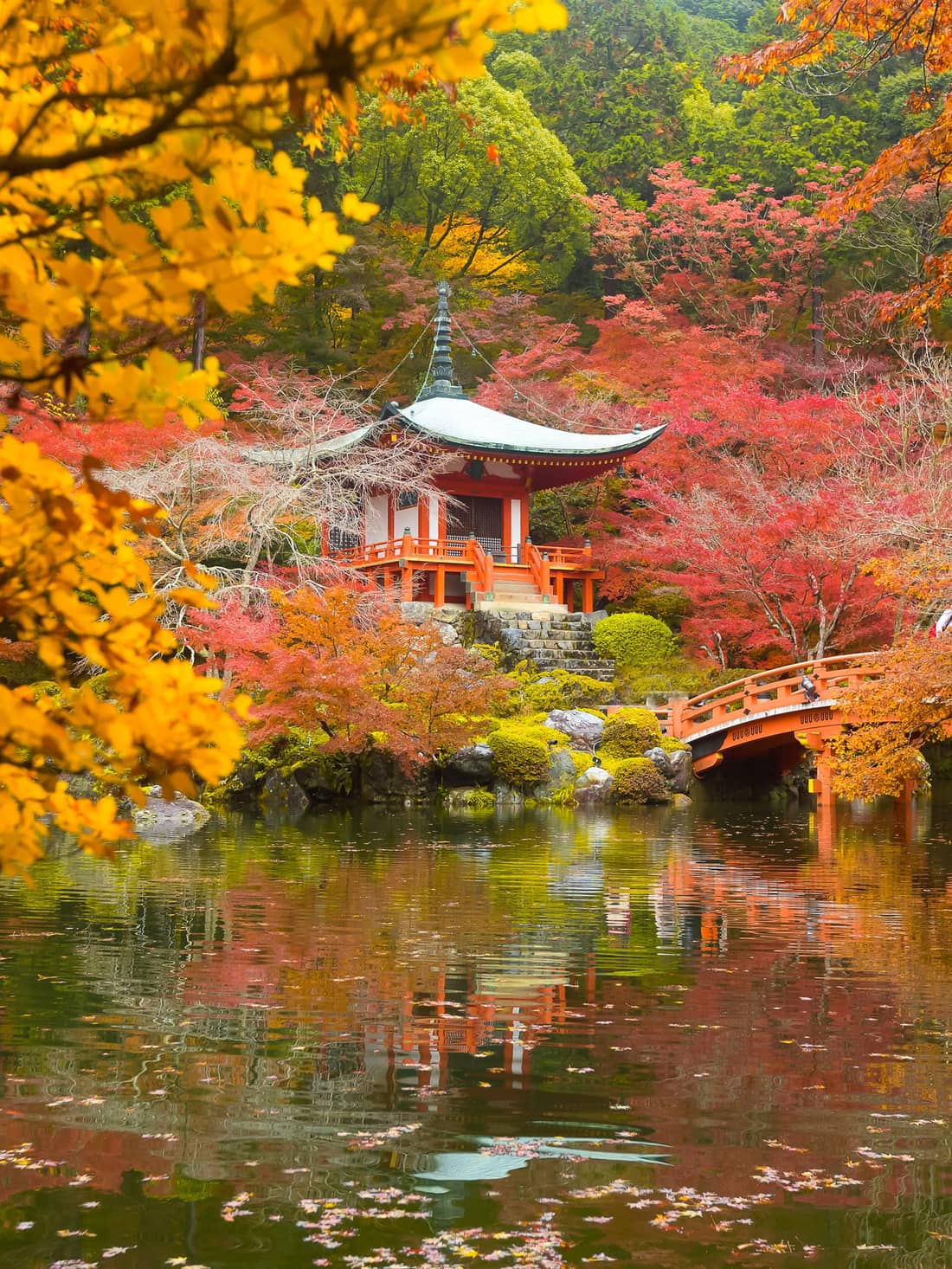

chubunagano
Nagano
Nagano is a temple city in the mountains of Nagano Prefecture, in the Chubu region, about an hour and twenty minutes from Tokyo by the Hokuriku Shinkansen, built around Zenko-ji, one of the most visited temples in Japan.
Togakushi Chusha in snow, Nagano
- Prefecture
- Nagano
- Region
- Chubu
- Journeys
- The Custom Tour of Japan
overview
A city that grew around a temple, in a valley of orchards beneath the Japan Alps.
Nagano grew around Zenko-ji, a temple founded in the seventh century to house what is regarded as the first Buddhist image brought to Japan, and for more than a thousand years pilgrims of every sect and every class have come here. The saying in Japan is that one should visit Zenko-ji at least once in a lifetime. Around the temple the town grew as a place of lodging and trade, and the temple lodgings, the shukubo, still line the streets beside it, kept by priests' families who offer simple rooms and the cooking of the temple.
The city sits in the Zenkoji plain, a broad valley of apple orchards ringed by mountains, and it is the capital of a prefecture known in Japan by its old name, Shinshu, for soba, apples, miso and sake brewed with mountain water. It hosted the Winter Olympic Games in 1998, and the Hokuriku Shinkansen that was built for them brought it within easy reach of Tokyo.
Nagano is also the door to some of the most interesting country in central Japan. The cedar-lined shrines of Togakushi lie in the mountains to the northwest; the wild macaques of Jigokudani, in the town of Yamanouchi, warm themselves in a hot spring in the forest; Shibu Onsen keeps its nine public onsen and its wooden ryokan on stone lanes; and Obuse, a small town of chestnut orchards and sake breweries, was where Hokusai worked in the last years of his life.
Our tours stay overnightOur tours visit for the dayOn a Custom Tour of Japan
see and do
What to see in Nagano
Zenko-ji
The great temple of the city, shared by priests of the Tendai and Jodo sects, its main hall of 1707 a National Treasure and one of the largest wooden buildings in Japan. Its sacred image, the Ikko Sanzon Amida, is a hidden Buddha never shown to anyone.
The okaidan beneath the altar
A passage in complete darkness under the main hall of Zenko-ji, walked with one hand on the wall in search of a metal key that is said to promise rebirth in paradise to whoever touches it.
The approach to Zenko-ji
The stone-paved Omotesando from the station up to the temple, through the Niomon and the great Sanmon gate of 1750, past temple lodgings, shops of soba, oyaki and incense, and the sub-temples of the precinct.
Togakushi Shrine
Five shrines on the slopes of Mount Togakushi, about an hour from the city, the innermost reached along an avenue of cedars some four centuries old. The village is known for its buckwheat noodles, among the best in Japan.
Jigokudani Monkey Park
In the forest above Yamanouchi, a valley of steaming springs where wild Japanese macaques come down from the mountains to sit in a hot spring. It is reached by a forest path of about half an hour.
Shibu Onsen
An onsen town of narrow stone lanes and wooden ryokan near Jigokudani, with nine public onsen, the soto-yu, open to guests of the town's ryokan with a key.
Obuse and the Hokusai Museum
A small town half an hour from Nagano where Hokusai came in his eighties at the invitation of his patron, the merchant Takai Kozan. The Hokusai Museum keeps two festival floats with ceilings he painted, of dragon, phoenix and waves.
Ganshoin
A temple on the edge of Obuse whose main hall ceiling is painted with Hokusai's great phoenix, the Phoenix Glaring in Eight Directions, completed in 1848 when he was in his late eighties.
Matsushiro
The castle town of the Sanada clan, twenty-five minutes south of the city, with the restored gates of its castle, samurai houses with gardens and the old domain school.
Higashiyama Kaii Gallery
A gallery by Yoshio Taniguchi beside Zenko-ji for the painter Higashiyama Kaii, whose quiet landscapes of mountains, forest and water are shown alongside a reflecting pool.
experiences
The best of Nagano
A night at a temple lodging
A night in a shukubo of Zenko-ji, with a dinner of temple vegetarian cooking and the hall of the temple a few steps from the door.
The monkeys of Jigokudani
A walk through the forest to the valley of the macaques, watching them in the steam of their spring, under snow or among the green, with a guide who knows the troop.
Hokusai in Obuse
A day in Obuse: the museum, the phoenix of Ganshoin, the chestnut sweets of the town and a tasting at one of the town's sake breweries.
Soba at Togakushi
The cedar avenue of Togakushi's innermost shrine, then buckwheat noodles cut by hand in the village and served cold on bamboo, as they have been for centuries.
plan your visit
Nagano on a journey through Japan
- How long to stay
- One night in Nagano for Zenko-ji and Obuse, two to add the monkeys of Jigokudani and a night in an onsen ryokan at Shibu or Yudanaka.
- Getting there
- By the Hokuriku Shinkansen from Tokyo in about an hour and twenty minutes, from Karuizawa in about thirty minutes and from Kanazawa in about an hour. From Nagano, Obuse is about twenty-five minutes and Yamanouchi about forty-five by train or car.
journeys
Nagano on a private journey
We bring guests to Nagano on the Custom Tour of Japan, created around your party alone, on your dates, with your own Tour Director.
questions
Nagano: questions answered
What is Nagano famous for?
Zenko-ji temple, the snow monkeys of Jigokudani, soba and apples, and the Winter Olympic Games of 1998. It is also the gateway to Obuse, Togakushi and the onsen of Shibu.
How far is Nagano from Tokyo?
About an hour and twenty minutes by the Hokuriku Shinkansen from Tokyo or Ueno station.
Where are the snow monkeys near Nagano?
At Jigokudani Monkey Park in Yamanouchi, about forty-five minutes from Nagano by car or train, reached by a forest path of about half an hour from the car park.
Can you stay overnight at Zenko-ji?
Yes. Some thirty-nine shukubo, temple lodgings kept by priests' families, stand around the temple, with tatami rooms and vegetarian temple cooking.
How many days do you need in Nagano?
One to two days: one for Zenko-ji and Obuse, two to add Jigokudani and a night in an onsen ryokan at Shibu or Yudanaka.
What is the hidden Buddha of Zenko-ji?
The Ikko Sanzon Amida, regarded as the first Buddhist image brought to Japan, which is never shown. A copy made in the Kamakura period stands in for it on special occasions.
Can Nagano be part of a private tour of Japan?
Yes. The Custom Tour of Japan is created around your party alone, on your dates, with your own Tour Director, and it can go anywhere in the country, Nagano included. If you would rather travel independently, the Expert Japan Itinerary plans every day for you.
chubu
More in Chubu
Every place in Chubu
Nagano, planned for you.
Tell us when you would like to travel and what draws you to Nagano, and we will answer with a Custom Tour of Japan created around your party alone, or, if you would rather travel independently, an Expert Japan Itinerary that plans every day for you.