

kantokanagawa
Kamakura
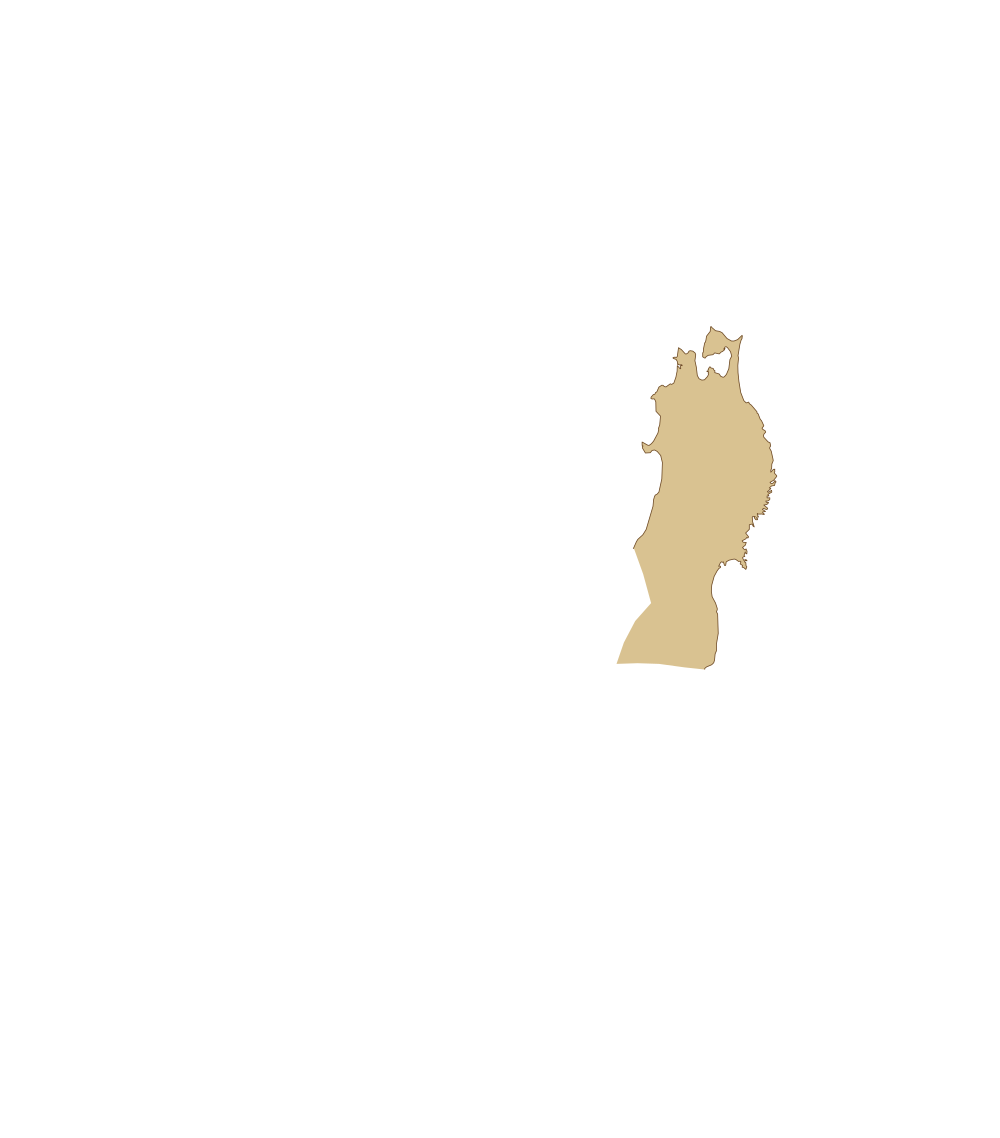
Kamakura is a coastal town of temples and shrines in Kanagawa prefecture, in the Kanto region, about an hour south of Tokyo, which was the seat of Japan's first shogunate from the late twelfth century to 1333.
- Prefecture
- Kanagawa
- Region
- Kanto
- Journeys
- The Custom Tour of Japan
overview
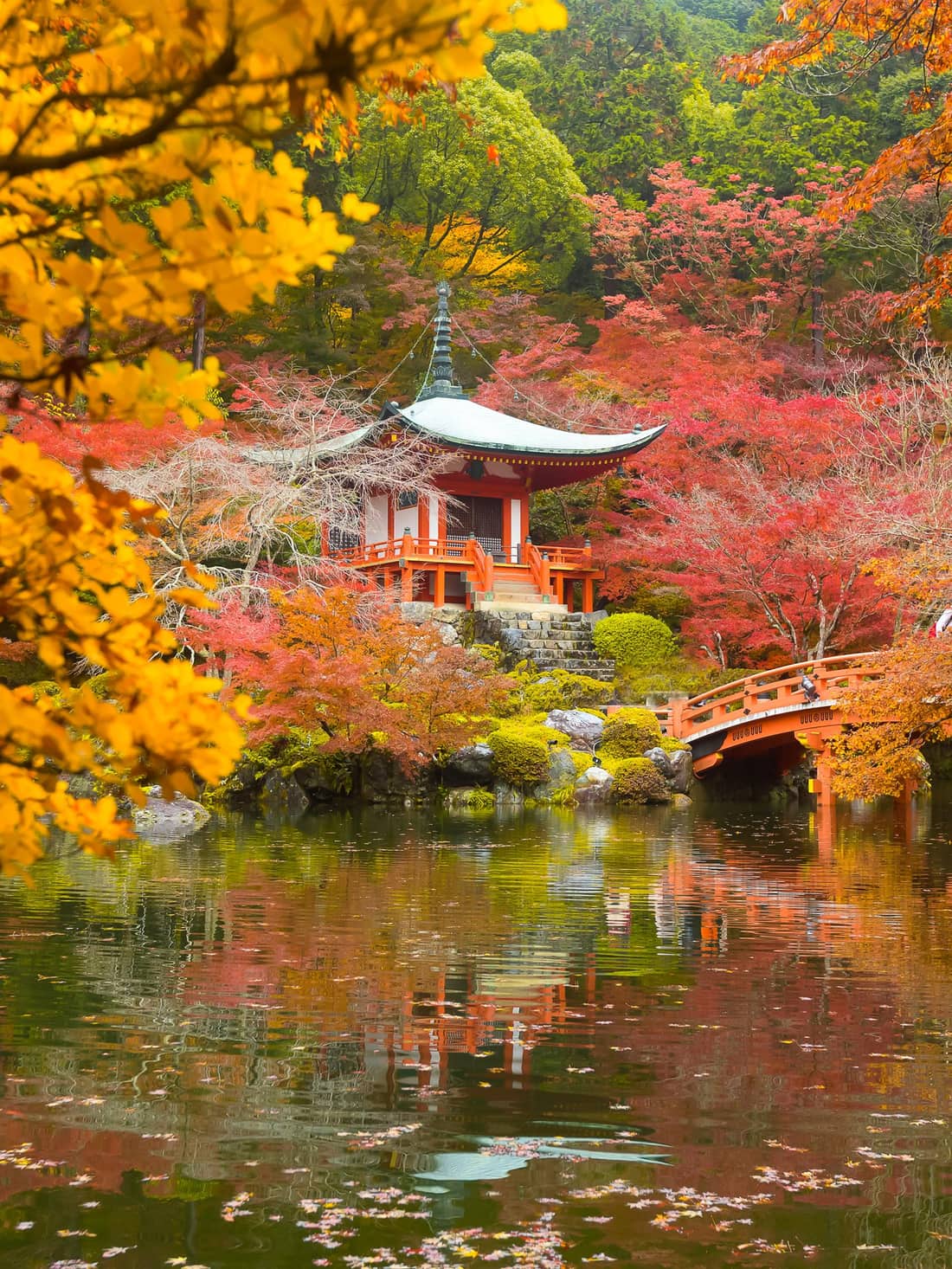
The samurai capital by the sea, its Zen temples folded into wooded valleys.
Kamakura was chosen by Minamoto no Yoritomo, the first shogun, as his headquarters in 1180, for it is enclosed by hills on three sides and the sea on the fourth. For a century and a half it was the military capital of Japan, while the emperor remained in Kyoto, and it was here that Zen Buddhism took firm root, brought by Chinese and Japanese monks under the patronage of the Hojo regents.
The town that remains is small and green. More than sixty temples and shrines lie in the folds of its hills, many in narrow valleys reached by lanes lined with hydrangea and bamboo, and the Great Buddha sits in the open air on the western side, facing the hills. Kamakura is also a seaside town: the beaches of Yuigahama and Shichirigahama run along Sagami Bay, and on clear days Mount Fuji appears across the water beyond the island of Enoshima.
Kamakura has long been where the capital comes for quiet. In the Meiji era Tokyo's writers, statesmen and industrialists built villas among its pines, and it remains a favourite of those who live in the city, a place of tea houses, temple gardens, seafood from Sagami Bay and quiet lanes where the sound of a temple bell carries across the valley.
see and do
What to see in Kamakura
The Great Buddha of Kotoku-in
A seated bronze Amida Buddha more than eleven metres high, cast in the thirteenth century, which has sat in the open air since the hall around it was lost in the fifteenth century.
Tsurugaoka Hachimangu
The great shrine of Kamakura, founded by the Minamoto clan and moved to its present site by Yoritomo in 1180, reached by a long avenue, Wakamiya-oji, that runs straight from the sea and climbs a broad stair to the main hall.
Kencho-ji
The first of the five great Zen temples of Kamakura, founded in 1253, its gates, its halls and its ancient juniper trees, said to have been planted by its Chinese founder, laid out on a single axis up a wooded valley.
Engaku-ji
A Zen monastery founded in 1282 by the regent Hojo Tokimune to honour the dead of the Mongol invasions, in a forest of cedar beside Kita-Kamakura station; its relic hall is a National Treasure.
Hokoku-ji
A small Zen temple with a grove of some two thousand tall bamboo, where matcha is served in a pavilion overlooking the stems.
Hase-dera
A temple on a hillside above the sea, with a gilded eleven-headed Kannon more than nine metres tall, one of the largest wooden statues in Japan, with a garden of ponds and a terrace looking over Sagami Bay.
Meigetsu-in
A small Zen temple in Kita-Kamakura known as the hydrangea temple, with a round window in its main hall that frames the garden behind it.
Enoshima
A small island joined to the shore by a bridge, with shrines, a botanical garden, a lighthouse observation tower and views of Mount Fuji across the bay.
Zeniarai Benten
A shrine reached through a tunnel cut in the rock and a line of torii, where water from a spring in a cave is said to multiply any money washed in it.
Kamakura Museum of National Treasures
A small museum in the grounds of Tsurugaoka Hachimangu, with Buddhist sculpture, painting and lacquer from the temples of Kamakura, many of them of the shogunate period.
Komachi-dori
The shopping street that runs from Kamakura station towards the shrine, lined with shops selling lacquer, Kamakura-bori carved wood and sweets.
experiences
The best of Kamakura
Zazen with a monk
An hour of seated meditation in a Zen temple of Kamakura, with a monk to guide your posture and your breath, in the tradition that took root here eight centuries ago.
Shojin ryori
The vegetarian cuisine of the Zen temples, prepared from mountain vegetables, tofu and sesame, served in a quiet room above a temple garden.
Tea in the bamboo
A bowl of matcha at Hokoku-ji, among two thousand bamboo stems, after a walk through the temples of the eastern hills.
The coast by private car
A drive along Sagami Bay to Enoshima and the cape at Inamuragasaki, where Mount Fuji appears across the water on a clear day.
plan your visit
Kamakura on a journey through Japan
- How long to stay
- A full day is enough for the Great Buddha, Hase-dera, Tsurugaoka Hachimangu and the Zen temples of Kita-Kamakura; a night by the sea allows the town at an easier pace and the coast as well.
- Getting there
- From Tokyo Station, the JR Yokosuka Line reaches Kamakura in about an hour, and a private car takes about the same. From Yokohama, it is about twenty-five minutes by train.
- Pairs well with
- Kamakura is most often a day out from Tokyo, and it pairs with Yokohama, or with a drive along the coast to Hakone or the Izu Peninsula.TokyoYokohamaHakoneIzu Peninsula
journeys
Kamakura on a private journey
We bring guests to Kamakura on the Custom Tour of Japan, created around your party alone, on your dates, with your own Tour Director.
questions
Kamakura: questions answered
Is Kamakura worth a day trip from Tokyo?
Yes. In one day you can see the Great Buddha, the shrine of Tsurugaoka Hachimangu and the Zen temples of Kita-Kamakura, all an hour from the capital.
How do you get from Tokyo to Kamakura?
By the JR Yokosuka Line from Tokyo Station, about an hour, or by private car in about the same time.
How tall is the Great Buddha of Kamakura?
The bronze figure is about 11.3 metres tall, and more than 13 metres including its pedestal.
What is Kamakura famous for?
The Great Buddha, its Zen temples and bamboo groves, the shrine of Tsurugaoka Hachimangu, and its history as Japan's first shogunate capital.
What is the best way to see Kamakura in a day?
Begin in Kita-Kamakura with Engaku-ji and Kencho-ji, walk down to Tsurugaoka Hachimangu, and continue by car or the small Enoden railway to the Great Buddha and Hase-dera, with the coast to finish.
Can you see Mount Fuji from Kamakura?
Yes, on clear days, from the beaches of Sagami Bay, from Enoshima and from the cape at Inamuragasaki.
Can Kamakura be part of a private tour of Japan?
Yes. The Custom Tour of Japan is created around your party alone, on your dates, with your own Tour Director, and it can go anywhere in the country, Kamakura included. If you would rather travel independently, the Expert Japan Itinerary plans every day for you.
kanto
More in Kanto
Kamakura, planned for you.
Tell us when you would like to travel and what draws you to Kamakura, and we will answer with a Custom Tour of Japan created around your party alone, or, if you would rather travel independently, an Expert Japan Itinerary that plans every day for you.