
kantotokyo
Tokyo
Tokyo is the capital of Japan, on Tokyo Bay in the Kanto region of eastern Honshu, a metropolis of some fourteen million people that grew from the castle town of Edo, seat of the Tokugawa shoguns for more than two and a half centuries.
Tokyo after dark
- Prefecture
- Tokyo
- Region
- Kanto
- Journeys
- Five include Tokyo
overview
A city of a hundred villages, each with its own shrine, its own streets and its own way of eating.
Tokyo began as Edo, a fishing village on a marshy bay where Tokugawa Ieyasu built his castle in 1590. When he became shogun in 1603, the town became the true seat of power in Japan, and by the eighteenth century it was among the largest cities in the world. In 1868 the young Emperor Meiji moved his court here from Kyoto, the castle became the Imperial Palace, and the city was renamed Tokyo, the eastern capital.
Twice in the twentieth century the city was rebuilt almost from nothing, after the earthquake of 1923 and again after 1945, and that is the key to it. Tokyo is less a single city than a federation of neighbourhoods, each with a character of its own: the department stores of Ginza, the boulevards and fashion flagships of Omotesando, the temple lanes of Asakusa and Yanaka, the towers of Shinjuku. Old Edo survives in the gardens of the daimyo, the shrine festivals, the craft shops of the east side, and in the manners of the city itself, which remain unfailingly courteous.
For a traveller, Tokyo is the great surprise of Japan. It is calm, clean and easy to move through, and it has more Michelin stars than any other city on earth, with tiny counters of eight seats that serve sushi, tempura or kaiseki cut and cooked with a precision that has to be tasted to be believed. It is also the gateway to much of eastern Japan: Hakone, Nikko, Kamakura and Mount Fuji are all within two hours.
The pleasure of Tokyo lies in its detail. The basement food halls of the department stores display melons and wagashi as carefully as jewels; the shops of Kappabashi sell nothing but the tools of the kitchen, from hand-forged knives to lacquered bowls; a cocktail bar of six stools on the eighth floor of an unremarkable building may be among the most accomplished in Asia. Above the Sumida River, the Tokyo Skytree rises 634 metres, the tallest tower in the world, while a few streets away an old woman sweeps the step of a shrine no bigger than a garden shed. A good guide shows you both.
Our tours stay overnightOur tours visit for the dayOn a Custom Tour of Japan

see and do
What to see in Tokyo
The Imperial Palace and its East Gardens
The residence of the emperor stands on the site of Edo Castle, ringed by its original moats and walls of dressed granite. The East Gardens, laid out over the castle's inner citadel, are open to visitors and keep the vast stone base of the keep, the largest ever built in Japan.
Meiji Jingu
The shrine to Emperor Meiji and Empress Shoken, dedicated in 1920, set in a planted forest of some 100,000 trees given from every part of Japan. A wide gravel path passes beneath great cypress torii, and the noise of Harajuku falls away within a minute.
Senso-ji and Asakusa
Tokyo's oldest temple, founded according to tradition in 628 to house a small golden Kannon drawn from the Sumida River by two fishermen. It is approached through the Kaminarimon, the Thunder Gate with its great red lantern, and along Nakamise-dori, a street of stalls selling rice crackers, fans and festival goods, and the lanes around it keep the craft shops of old Edo: brushes, combs of boxwood, tenugui cloths and lacquered chopsticks.
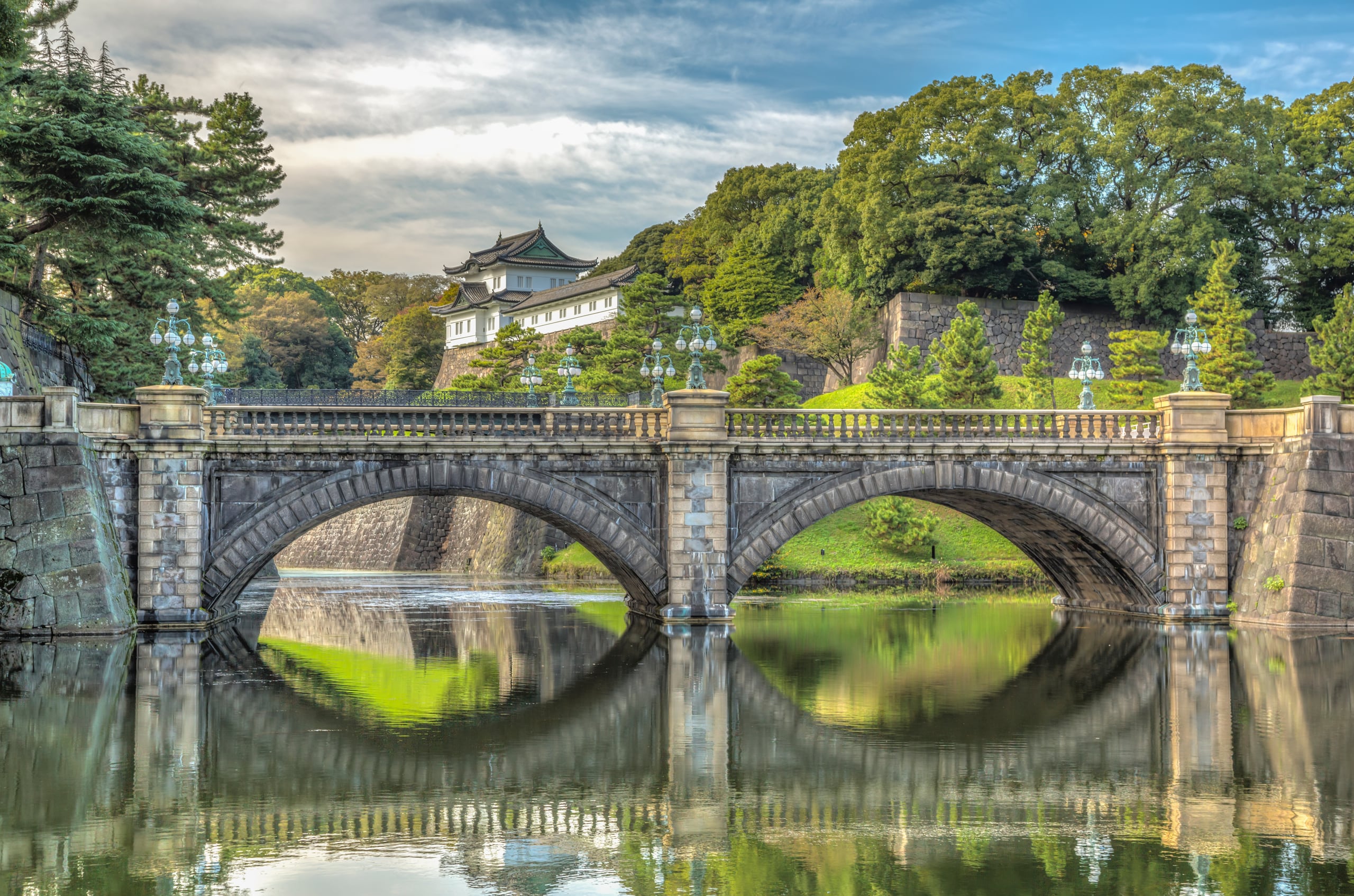
Nijubashi, the Imperial Palace Hama-rikyu Gardens
A garden of the Tokugawa shoguns on the edge of Tokyo Bay, whose pond rises and falls with the tide through sluice gates from the sea. Matcha is served in the Nakajima teahouse, reached by a long wooden bridge, with the towers of Shiodome reflected in the water.
Rikugien and Kiyosumi
Two of the great daimyo gardens of Edo. Rikugien was made in 1702 for Yanagisawa Yoshiyasu, a counsellor of the shogun, with eighty-eight scenes from classical poetry arranged around a lake; Kiyosumi, across the Sumida River, is a garden of stepping stones and rare rocks brought by ship from every province of Japan.
Ueno and the Tokyo National Museum
The oldest and largest museum in Japan, founded in 1872, with swords, armour, lacquer, ceramics, screens and Buddhist sculpture of the first rank. The Gallery of Horyu-ji Treasures, designed by Yoshio Taniguchi, shows gilt bronze figures of the seventh century in a hushed, dim hall, and Ueno Park around it has the National Museum of Western Art, designed by Le Corbusier and inscribed as a World Heritage Site.
Ginza and Nihonbashi
The old merchant heart of Edo and the smartest shopping street in the city: the department stores of Mitsukoshi and Wako, the flagship stores of the great fashion names, and the Kabuki-za theatre, where a single act of kabuki can be watched from the upper gallery.
Toyosu Market and Tsukiji Outer Market
Toyosu, on the bay, took over the wholesale fish market from Tsukiji in 2018 and handles fish from every coast of Japan. The Tsukiji Outer Market, still on its old site, is a warren of stalls selling knives, dried bonito, tamagoyaki and the freshest sushi in the city.
Omotesando, Aoyama and the Nezu Museum
A boulevard of zelkova trees laid out as the approach to Meiji Jingu, now a gallery of modern architecture: Tadao Ando's Omotesando Hills, the glass lattice of Prada Aoyama by Herzog and de Meuron, and the layered white facade of the Dior store by SANAA. At its far end the Nezu Museum keeps a private collection of Japanese and East Asian art in a building by Kengo Kuma, with a garden of ponds, stone lanterns and teahouses running down a wooded slope behind it.
Yanaka
A quarter of temples, wooden houses and small craft shops just north of Ueno that escaped the fires of 1923 and 1945, with a great cemetery shaded by cherry trees, the workshops of paper and woodblock makers, and the slow pace of the city a century ago.
Shinjuku and Shinjuku Gyoen
The tower district of the west side, where the twin towers of the Tokyo Metropolitan Government Building by Kenzo Tange look towards Mount Fuji on clear days. At its edge lies Shinjuku Gyoen, a former imperial garden of 58 hectares with a formal French garden, an English landscape lawn and a Japanese garden with teahouses.
Shibuya Crossing
The most famous intersection in the world, where up to three thousand people cross at once when the lights change, best seen from above, from the open-air deck of Shibuya Sky, 230 metres over the city.
Roppongi and Azabudai
The art district of Tokyo: the Mori Art Museum at the top of Roppongi Hills, the National Art Center in its rippling glass shell by Kisho Kurokawa, the Suntory Museum of Art, and the new gardens and galleries of Azabudai Hills.

experiences
The best of Tokyo
A sushi counter of eight seats
Dinner at one of Tokyo's celebrated sushi counters, where the master cuts and seasons each piece in front of you and hands it across the cypress bar. Twenty minutes in, you understand why people cross the world for this.
The city with a specialist
A day with a guide who knows Tokyo by its neighbourhoods: the craft workshops of the east side, the architecture of Aoyama, the shrines tucked between towers, and the food halls in the basements of the great department stores.
Knives, lacquer and the makers of Edo
An afternoon on the east side with the makers whose families have worked there for generations: a blacksmith sharpening a knife to your hand, a maker of Edo kiriko glass cutting a pattern, a dyer of indigo tenugui at the vat.
Kabuki and the arts of Edo
An afternoon at the Kabuki-za, with the story explained beforehand, or an evening of the old Edo arts, from the shamisen to the cutting of kiriko glass, with the craftspeople who keep them alive.
Tea in a daimyo garden
A bowl of matcha and a seasonal sweet in the teahouse of Hama-rikyu or Happo-en, or a full tea ceremony arranged for your party, the city reduced to the sound of the kettle.
plan your visit
Tokyo on a journey through Japan
- How long to stay
- Three nights gives a first taste of Tokyo, and four or five lets you see its districts at an easy pace with a day out to Kamakura, Nikko or Hakone.
- Getting there
- Haneda Airport is about thirty minutes from the centre by private car, and Narita Airport about an hour by the Narita Express or by car. By Tokaido Shinkansen, Kyoto is a little over two hours away and Osaka about two and a half.
- Pairs well with
- Tokyo begins or ends most journeys in Japan: Kamakura and Nikko are easy days out, Hakone and the Fuji lakes make a natural first onsen stop on the way west, and Kyoto is a little over two hours by Shinkansen.HakoneKamakuraNikkoMount FujiLake KawaguchikoKaruizawaKyoto
where to stay
Luxury hotels and ryokan in Tokyo
Most of Tokyo's grandest hotels stand around the Imperial Palace and Tokyo Station, in Marunouchi, Otemachi and Nihonbashi. One occupies the upper floors of the Otemachi Tower, its lobby rising beneath a great canopy of washi; another is turned to the palace moats and gardens; a ryokan in a tower draws its onsen from deep beneath the city. More stand at Marunouchi, Otemachi, Nihonbashi and Yaesu, all close to Tokyo Station and its Shinkansen platforms.
To the south, the great hotels face Hibiya Park, recreate a celebrated mid-century lobby in Toranomon and stand above Hama-rikyu and the bay; one opens onto the gardens of Azabudai Hills, another crowns Tokyo Midtown in Roppongi. On the west side, a famous aerie looks out over Shinjuku, and a tower above Kabukicho has the whole city spread beneath it.
- Aman Tokyo
- Bellustar Tokyo, A Pan Pacific Hotel
- Bvlgari Hotel Tokyo
- Conrad Tokyo
- Four Seasons Hotel Tokyo at Marunouchi
- Four Seasons Hotel Tokyo at Otemachi
- Hoshinoya Tokyo
- Janu Tokyo
- Mandarin Oriental Tokyo
- Nihonbashi Premier
- Palace Hotel Tokyo
- Park Hyatt Tokyo
- The Okura Tokyo
- The Peninsula Tokyo
- The Ritz-Carlton, Tokyo

journeys
Tours of Japan that include Tokyo
Each journey below includes Tokyo; choose one to see its route, dates and price. For a journey on your own dates, the Custom Tour of Japan can include Tokyo and anywhere else you would like to go.
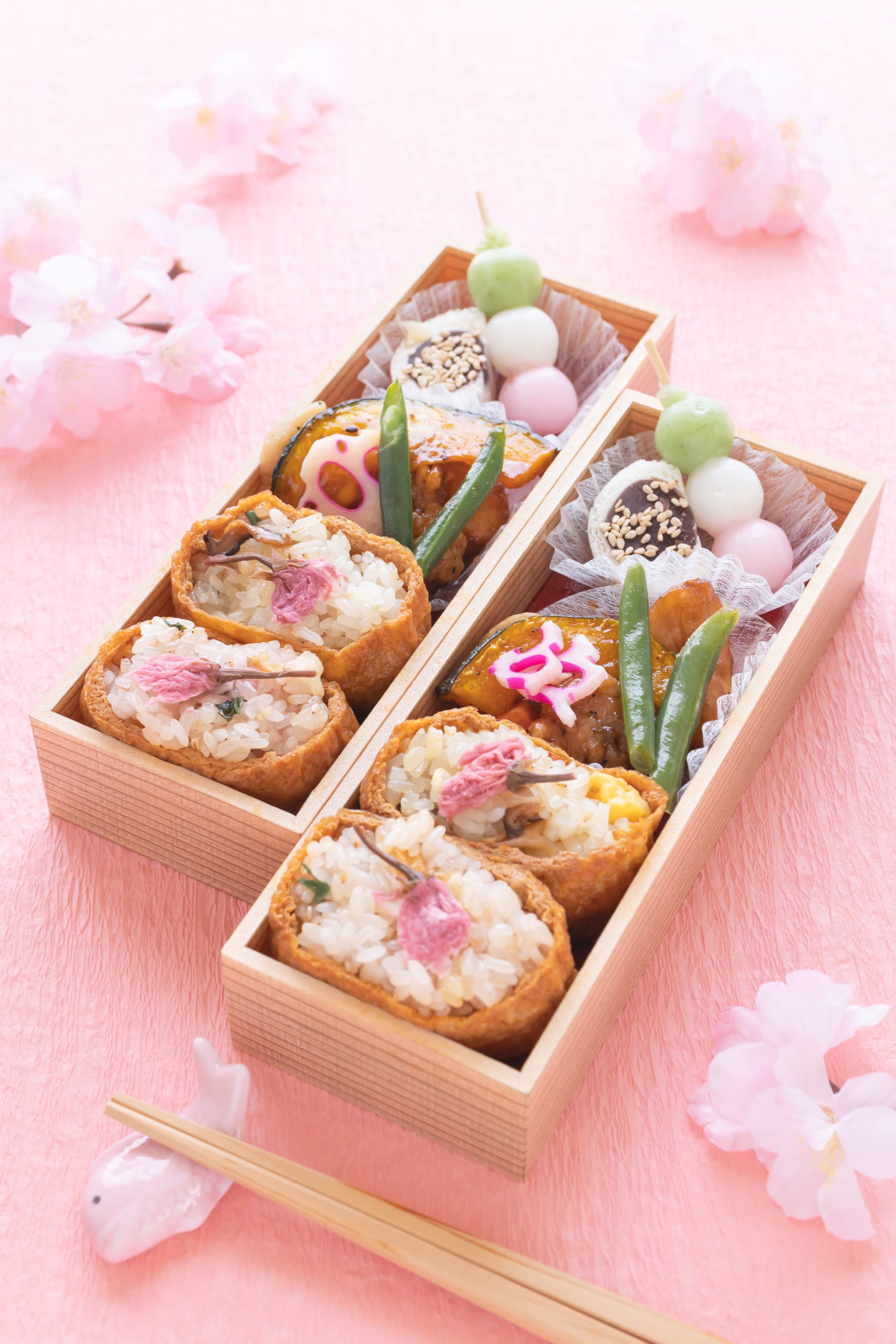 Spring
The Classic Cherry Blossom Tour of Japan
12 days30 March to 10 April 2027$19,500per person, twin shareSee the journey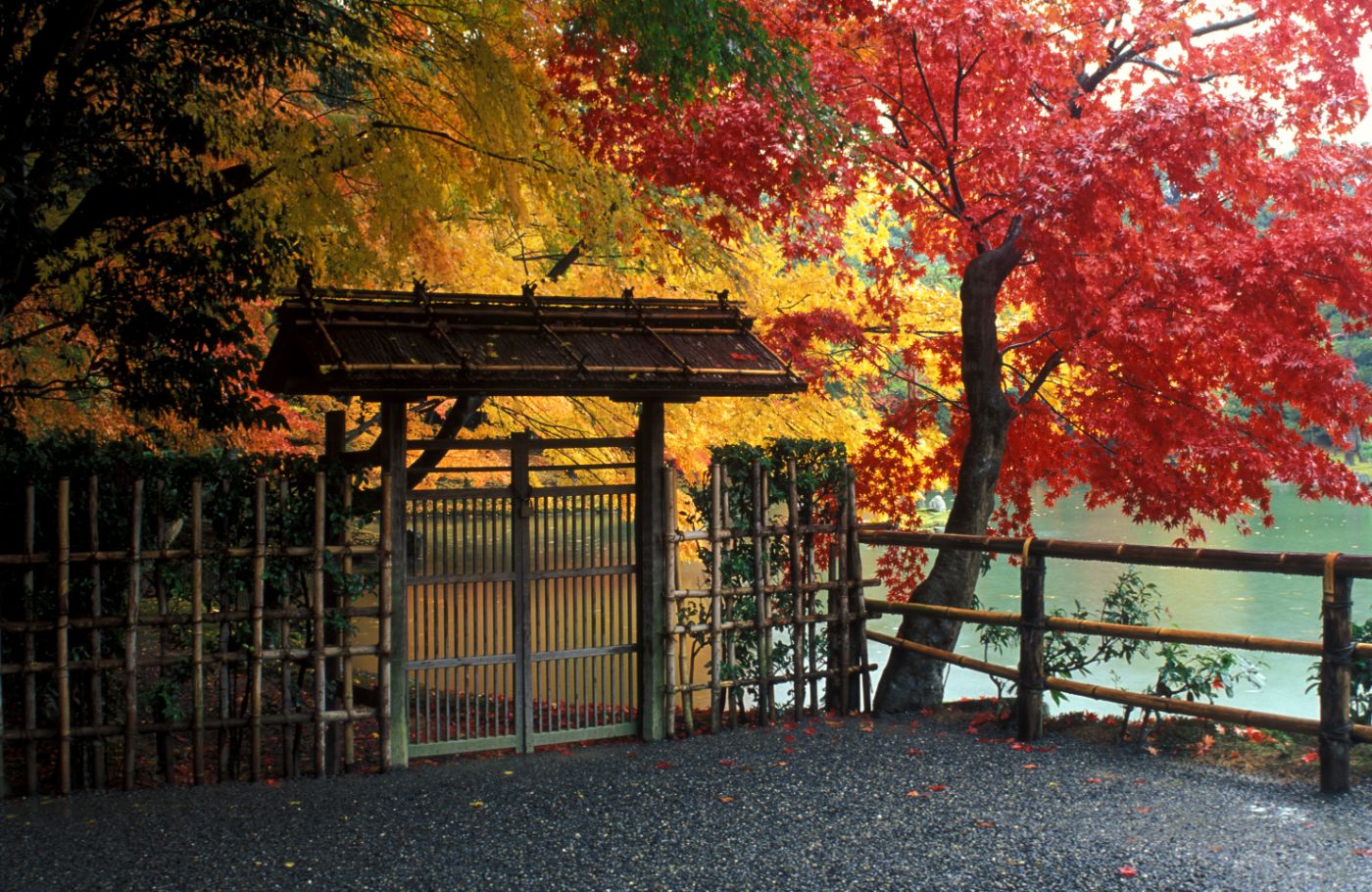 Autumn
The Autumn Leaves Tour of Japan
12 days23 November to 4 December 2026, sold out$19,500per person, twin shareSee the journey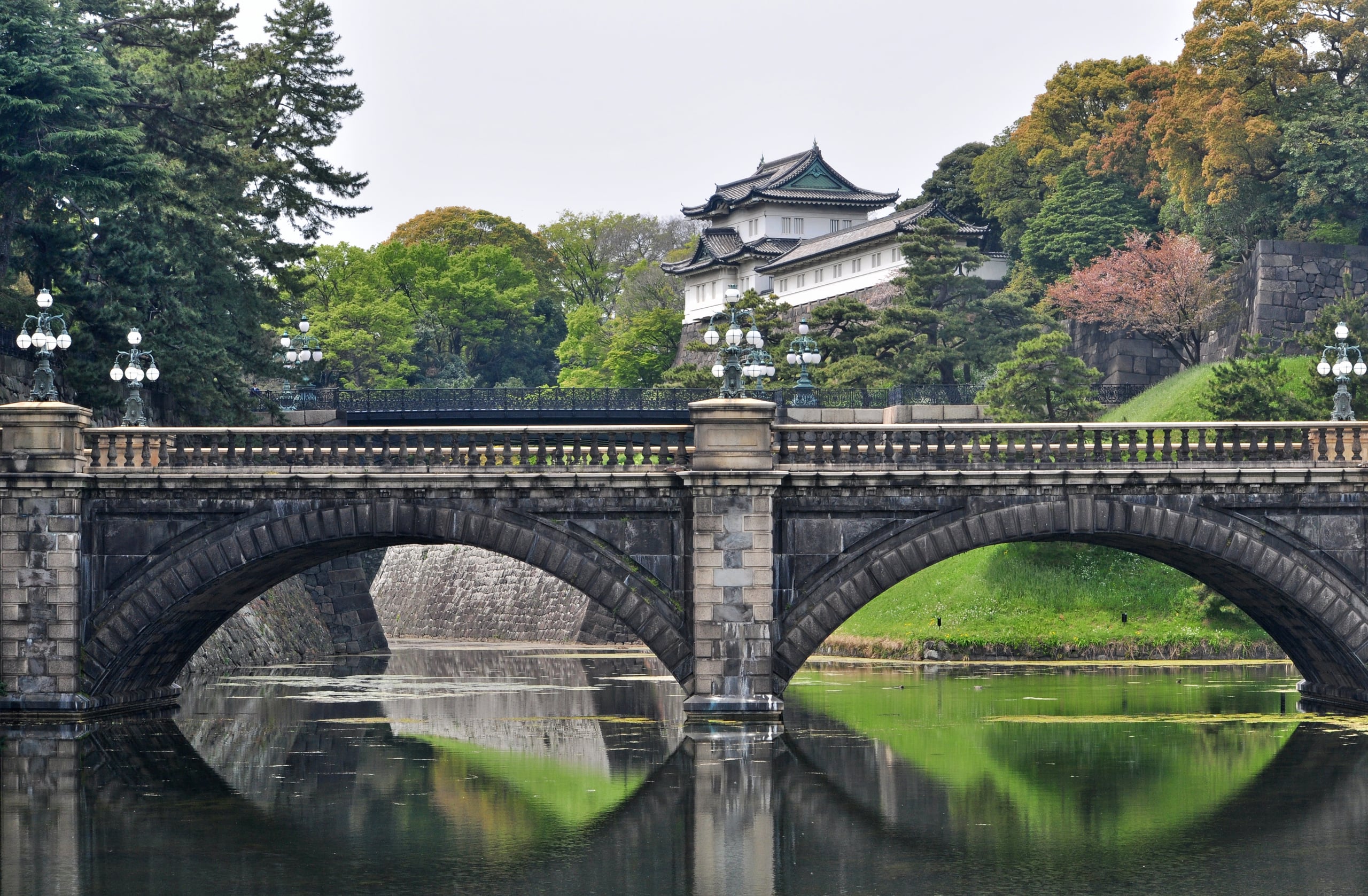 The Private Collection
Essential Japan
9 daysOn the dates you choose$18,000per person, twin shareSee the journey The Private Collection
Classic Japan
11 daysOn the dates you choose$22,000per person, twin shareSee the journey The Private Collection
Definitive Japan
13 daysOn the dates you choose$26,000per person, twin shareSee the journey Planned around you
The Custom Tour of Japan
Your party aloneWith your own Tour DirectorFrom five nights, on the dates you chooseSee the journey
questions
Tokyo: questions answered
How many days do you need in Tokyo?
Three nights at the least, and four or five for a first visit, which allows the main districts at an easy pace and a day out to Kamakura, Nikko or Hakone.
Where is the best area to stay in Tokyo?
Marunouchi and Otemachi, by the Imperial Palace and Tokyo Station, for the grandest hotels and the easiest departures by Shinkansen. Roppongi and Azabudai suit those who want the galleries and the evening restaurants, and Shinjuku the views over the west of the city.
Is Tokyo worth visiting for a luxury traveller?
Yes. Tokyo has some of the most accomplished hotels in Asia, more Michelin stars than any other city, and a depth of art, craft and shopping that rewards several days.
How do you get from Haneda or Narita to central Tokyo?
Haneda is about thirty minutes from the centre by car and Narita about an hour. On our journeys a private car and driver meet you at arrivals.
What are the best day trips from Tokyo?
Kamakura for its Great Buddha and Zen temples, Nikko for the Toshogu shrine, Hakone for onsen and views of Mount Fuji, and Yokohama for its harbour and Sankeien garden. Each is within two hours.
Is Tokyo easy to get around?
Yes. The rail network is famously punctual and the city is safe and orderly, though a private car and a guide make the distances between districts effortless.
What should you not miss in Tokyo?
Meiji Jingu and its forest, Senso-ji in Asakusa, the Imperial Palace East Gardens, the Tokyo National Museum, a sushi counter in Ginza, and the view over the city from Shibuya Sky or one of the great hotel bars.
How long is the train from Tokyo to Kyoto?
A little over two hours by the fastest Tokaido Shinkansen, from Tokyo or Shinagawa station.
Which Luxury Japan Travel journeys include Tokyo?
The Classic Cherry Blossom Tour of Japan, The Autumn Leaves Tour of Japan, Essential Japan, Classic Japan and Definitive Japan include nights in Tokyo. The Custom Tour of Japan can include Tokyo on any dates, created around your party alone.
Can Tokyo be part of a private tour of Japan?
Yes. The Custom Tour of Japan is created around your party alone, on your dates, with a Tour Director beside you, and it can include Tokyo. For independent travel, the Expert Japan Itinerary plans every day for you.
kanto
More in Kanto
Tokyo, planned for you.
Tell us when you would like to travel and what draws you to Tokyo. We will answer with a journey shaped around it: one of our tours, a journey of The Private Collection, or a Custom Tour of Japan created around your party alone.