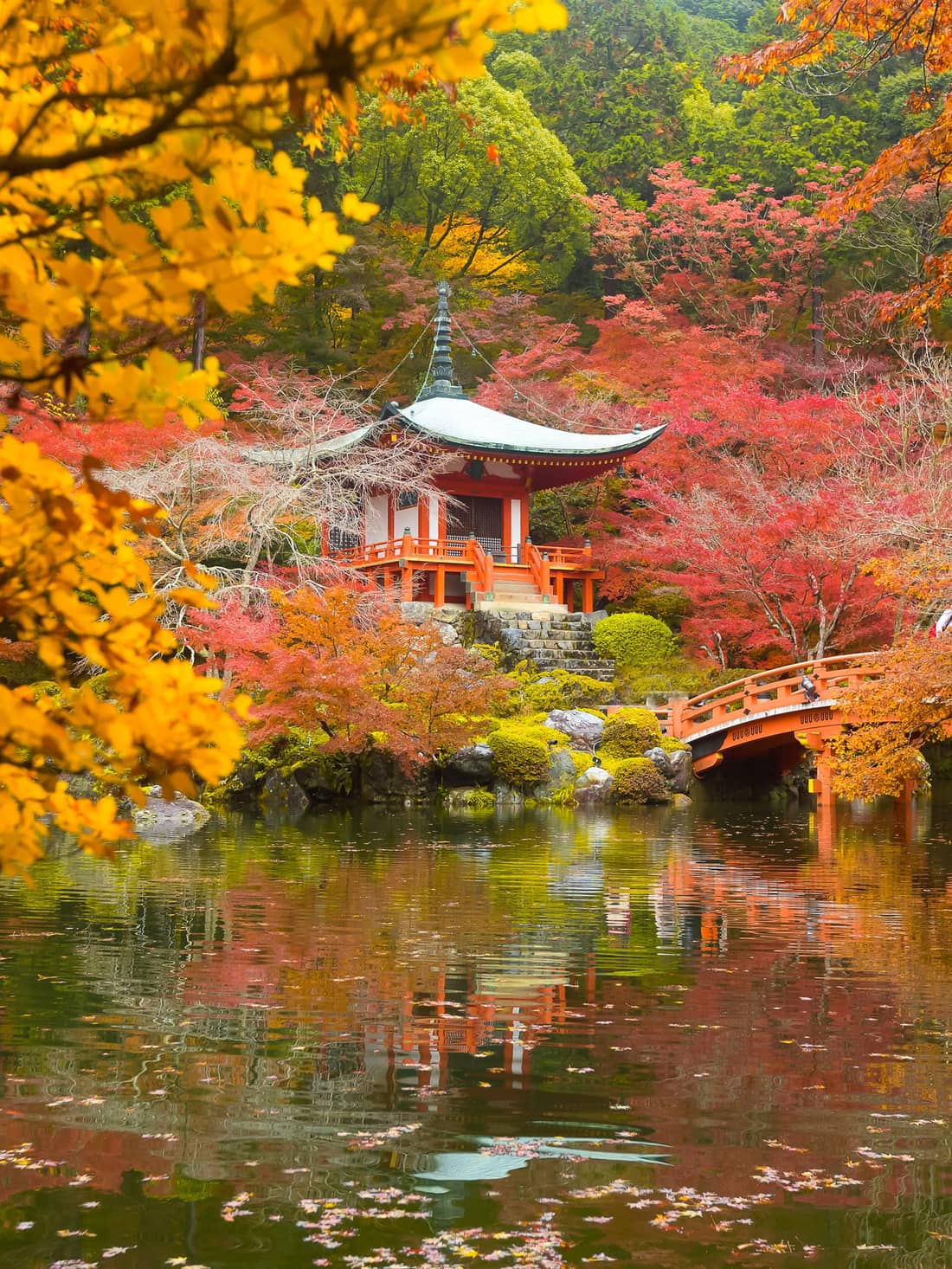

kansainara
Nara
Nara is the first permanent capital of Japan, in Nara Prefecture in the Kansai region, about forty-five minutes from Kyoto, where the temples and shrines of the eighth century stand in a great park among some 1,300 freely wandering deer.
A sika deer in Nara Park
- Prefecture
- Nara
- Region
- Kansai
- Journeys
- Four include Nara
overview
The first capital, its temples still standing in the deer park.
In 710 the imperial court built Heijo-kyo, a capital on the Chinese model of broad avenues in a grid, at the northern end of the Nara basin. It lasted only until 784, when the court moved on towards Kyoto, but in those seventy-four years Japan took the shape it would keep: Buddhism became the faith of the state, the first histories were written, and the emperor Shomu ordered a bronze Buddha so large that casting it nearly emptied the country of copper.
Much of that Nara survives. Eight of its temples, shrines and sites, among them Todai-ji, Kofuku-ji, Kasuga Taisha and the primeval forest behind it, are inscribed together as the World Heritage Site of the Historic Monuments of Ancient Nara. A few kilometres to the southwest, Horyu-ji, founded in 607, has the oldest surviving wooden buildings in the world, and was inscribed in 1993 among the first World Heritage Sites in Japan.
Nara is smaller and slower than Kyoto, and it rewards that pace. The great sights stand close together in Nara Park, a landscape of lawns, old cedars and ponds at the foot of the hills, where the deer, revered as the messengers of the gods of Kasuga, have the run of the place. Beyond the park lie the old merchant streets of Naramachi, a brewing tradition that claims the birth of clear sake, and the quiet temples of the western plain, where the art of the eighth century can be seen where it was made.
Our tours stay overnightOur tours visit for the dayOn a Custom Tour of Japan
see and do
What to see in Nara
Todai-ji and the Great Buddha
The Great Buddha Hall shelters a seated bronze Vairocana some fifteen metres high, first consecrated in 752. The hall was rebuilt in 1709 at about two thirds of its original width, and it is still among the largest wooden buildings in the world.
Nandaimon, the Great South Gate
The great gate of Todai-ji, rebuilt in 1203, where two guardian kings more than eight metres tall, carved by the sculptors Unkei and Kaikei and their workshop in about seventy days, stand on either side of the approach.
Nigatsu-do
A hall on the hillside above Todai-ji, raised on a great wooden frame, with a veranda that looks over the roof of the Great Buddha Hall and the whole of the city. It is the setting of a fire ritual performed every year since 752.
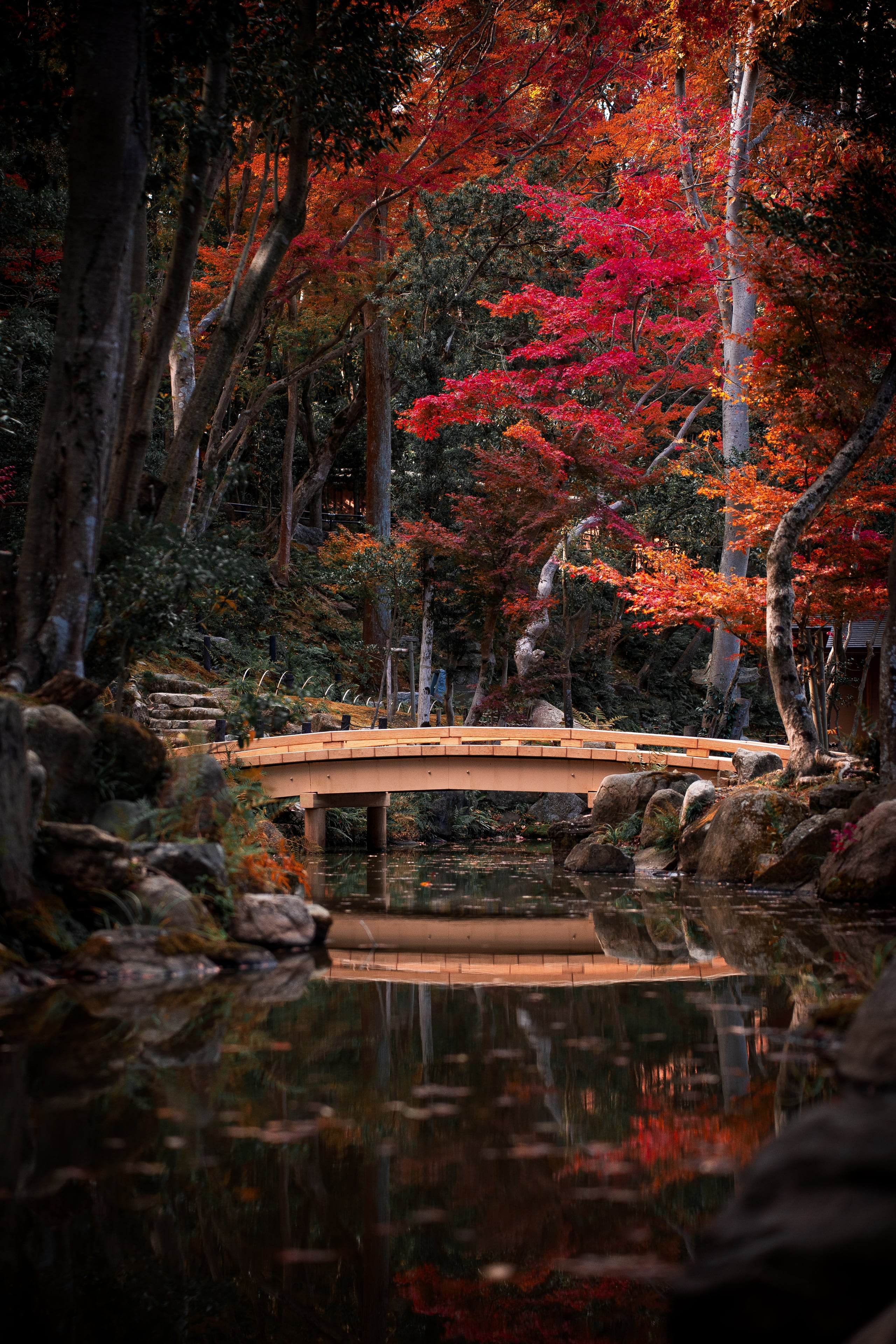
A bridge in Nara Park Kasuga Taisha
The shrine of the Fujiwara family, founded in 768, its vermilion halls reached by paths lined with some two thousand stone lanterns, and some thousand more in bronze hanging from its eaves. Behind it, the Kasugayama Primeval Forest has been protected from hunting and felling since 841.
Kofuku-ji and its National Treasure Museum
The family temple of the Fujiwara, moved to Nara with the court in 710. Its museum contains one of the most loved statues in Japan, the Ashura of 734, a slender figure of three faces and six arms modelled in dry lacquer.
Nara Park and the deer
The park around the great temples, home to some 1,300 sika deer protected as a Natural Monument. They wander the lawns and the temple approaches, and many have learned to bow for the rice crackers sold beside the paths.
Isuien
A strolling garden of the Meiji era, its ponds and lawns borrowing the roof of Todai-ji's great gate and the hills beyond for its view, with a small museum of Chinese and Korean bronzes and ceramics beside it.
Nara National Museum
One of the great collections of Buddhist art in Japan, shown in a domed hall of 1894 and its modern wing, with sculpture and painting drawn from the temples of Nara and beyond.
Naramachi
The old merchant quarter south of the park, built on the former grounds of the temple of Gango-ji: narrow lanes of latticed townhouses, small museums, ink makers and shops of Nara crafts.
Horyu-ji
The temple founded by Prince Shotoku in 607, about twelve kilometres southwest of the city. Its western precinct, with its five-storey pagoda and main hall, has the oldest surviving wooden buildings in the world.
Yakushi-ji and Toshodai-ji
Two great temples of the western plain, a short drive apart. Yakushi-ji's East Pagoda has stood since 730; Toshodai-ji was founded in 759 by Ganjin, the Chinese monk who lost his sight in five failed attempts to cross to Japan before the sixth succeeded.
Heijo Palace Site
The open ground where the palace of the eighth-century capital stood, with its great audience hall and its southern gate rebuilt on the original foundations, and the scale of the old city laid out around them.

experiences
The best of Nara
The temples with a specialist
A day among the great temples with a guide who reads Buddhist sculpture fluently, so that the Great Buddha, the guardian kings of the Nandaimon and the Ashura of Kofuku-ji are seen for what they are and when they were made.
The western temples by car
Horyu-ji, Yakushi-ji and Toshodai-ji in a single quiet afternoon by private car, among the quietest and most beautiful temples in Japan, with the oldest wooden buildings on earth among them.
Sake where it began
A tasting at a Nara brewery of the sake made in the old way of the temples, after a visit to Shoryaku-ji in the hills south of the city, regarded as where clear sake was first brewed.
An ink maker's workshop
Nara makes most of Japan's ink sticks, pressed by hand from soot and animal glue and dried for months. A morning in a workshop shows the craft and lets you grind and use the ink yourself.
A garden over tea
Matcha and a seasonal sweet in the teahouse of a Nara garden, the roofs of Todai-ji over the trees, before the walk back through the park.
plan your visit
Nara on a journey through Japan
- How long to stay
- A full day from Kyoto or Osaka covers Todai-ji, Kasuga Taisha and the park; a night in Nara allows the western temples and Horyu-ji at an easy pace, and the park in the quiet of the evening.
- Getting there
- By private car from Kyoto in about an hour, or by the Kintetsu limited express in about thirty-five minutes. From Osaka the train takes about forty minutes; from Tokyo, the Shinkansen to Kyoto and the train on take about three hours.
where to stay
Luxury hotels and ryokan in Nara
Most guests see Nara in a day from Kyoto or Osaka, and lose nothing by it. A night here is worth giving for the slower pleasures: the western temples, the park and its deer in the quiet of the evening, and dinner without the journey back.
The best places to stay stand at the edges of Nara Park, close enough to walk to Todai-ji and Kasuga Taisha. Among them is a hotel of suites among the trees.
journeys
Tours of Japan that include Nara
Each journey below includes Nara; choose one to see its route, dates and price. For a journey on your own dates, the Custom Tour of Japan can include Nara and anywhere else you would like to go.
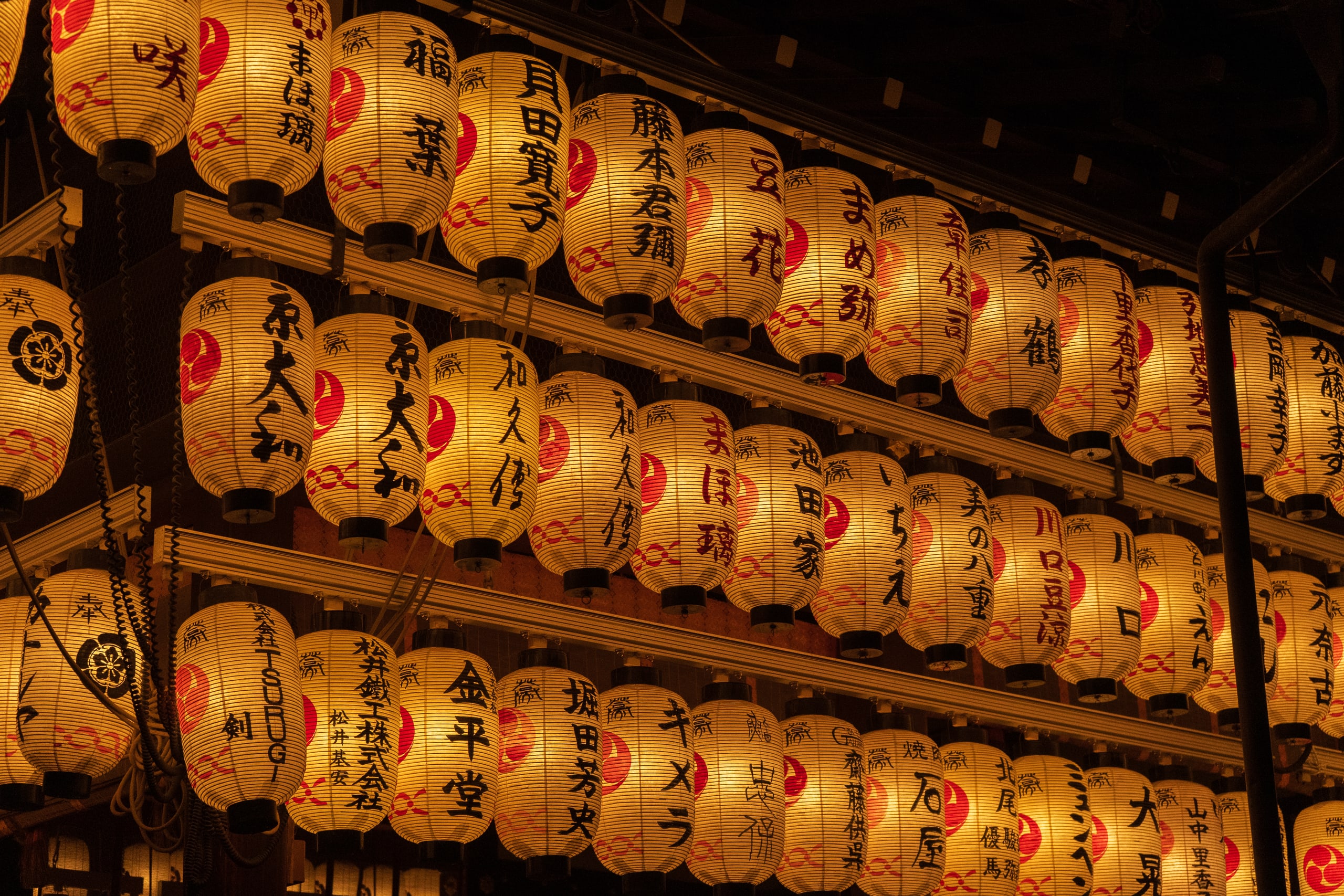 The Private Collection
Essential Japan
9 daysOn the dates you choose$18,000per person, twin shareSee the journey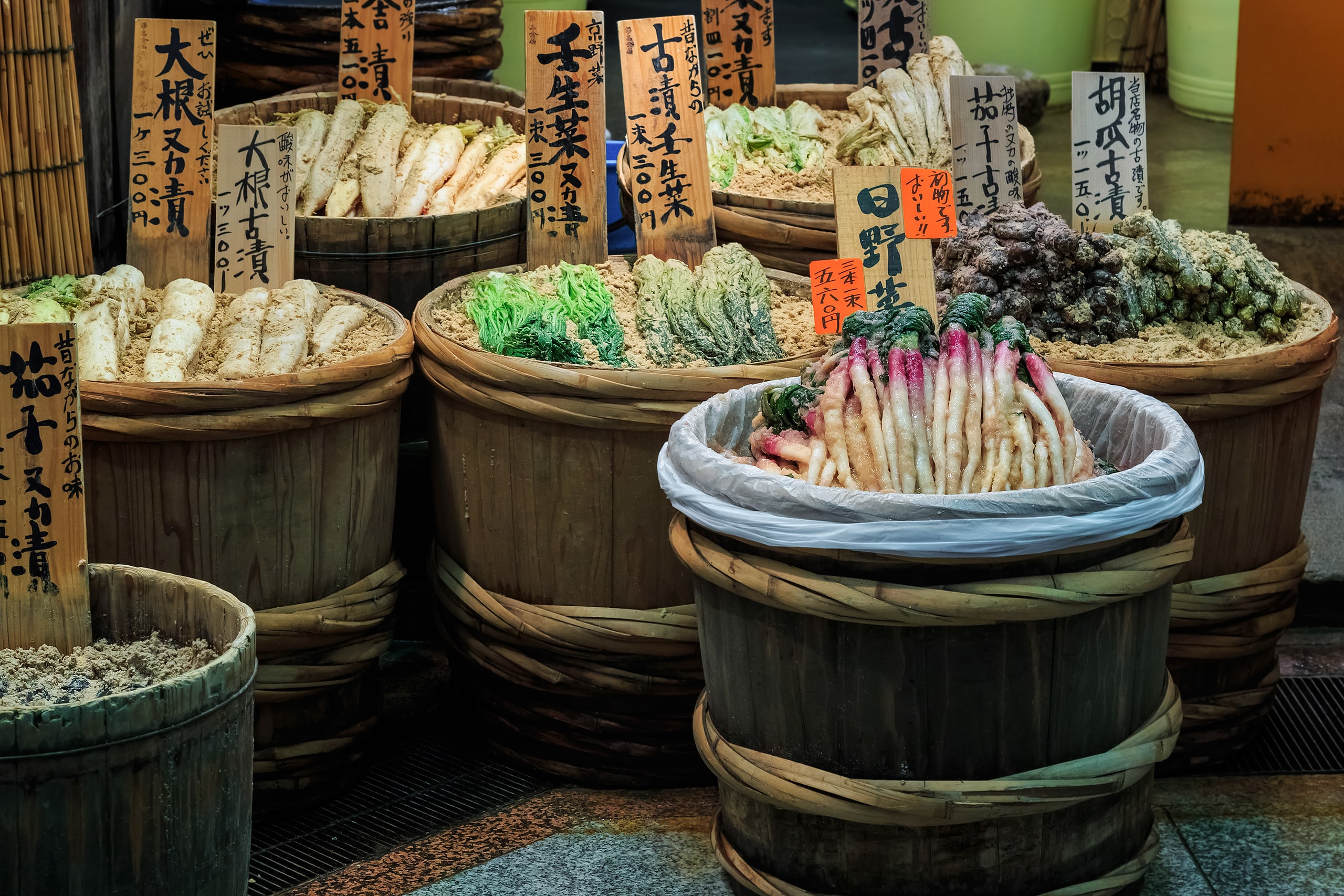 The Private Collection
Classic Japan
11 daysOn the dates you choose$22,000per person, twin shareSee the journey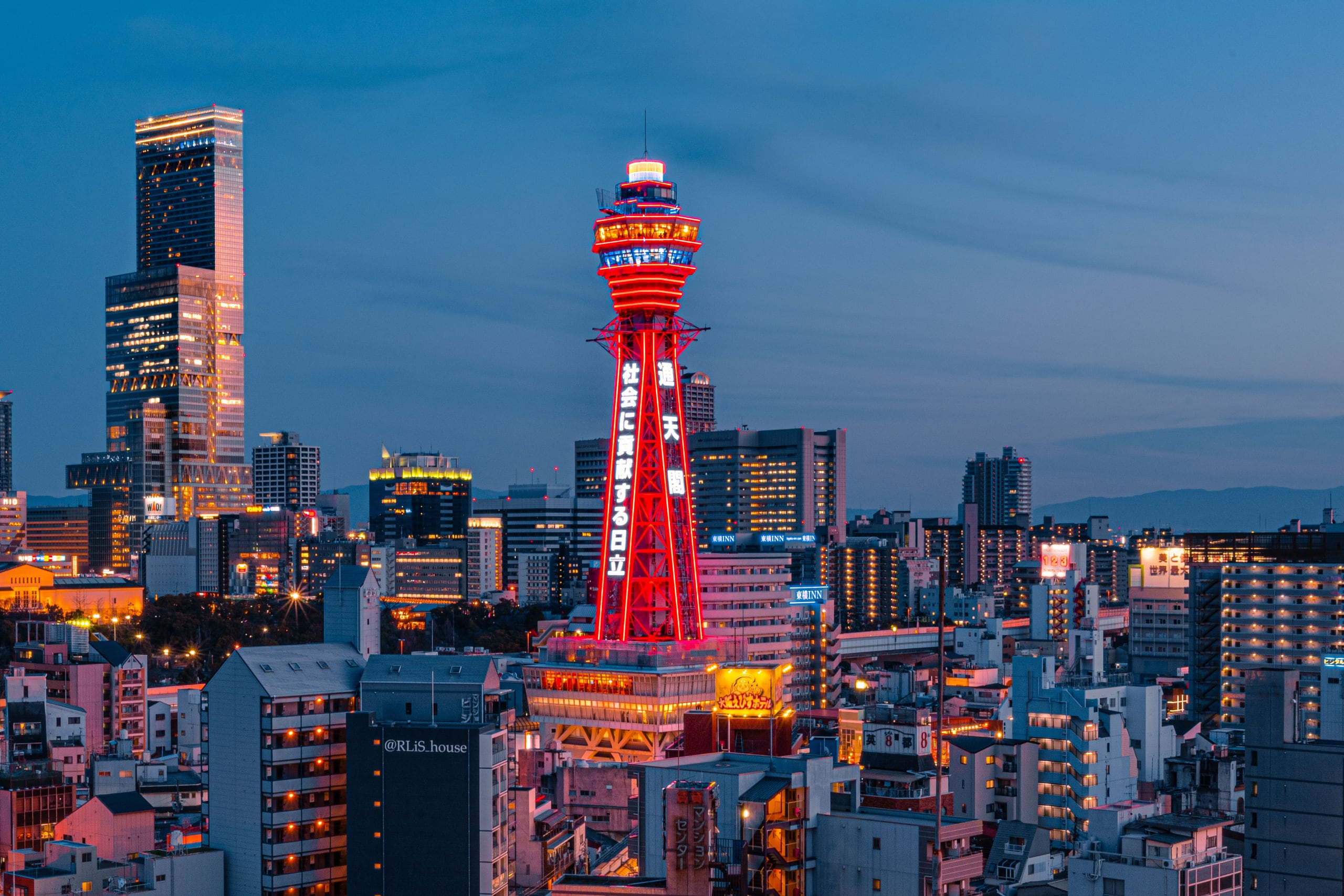 The Private Collection
Definitive Japan
13 daysOn the dates you choose$26,000per person, twin shareSee the journey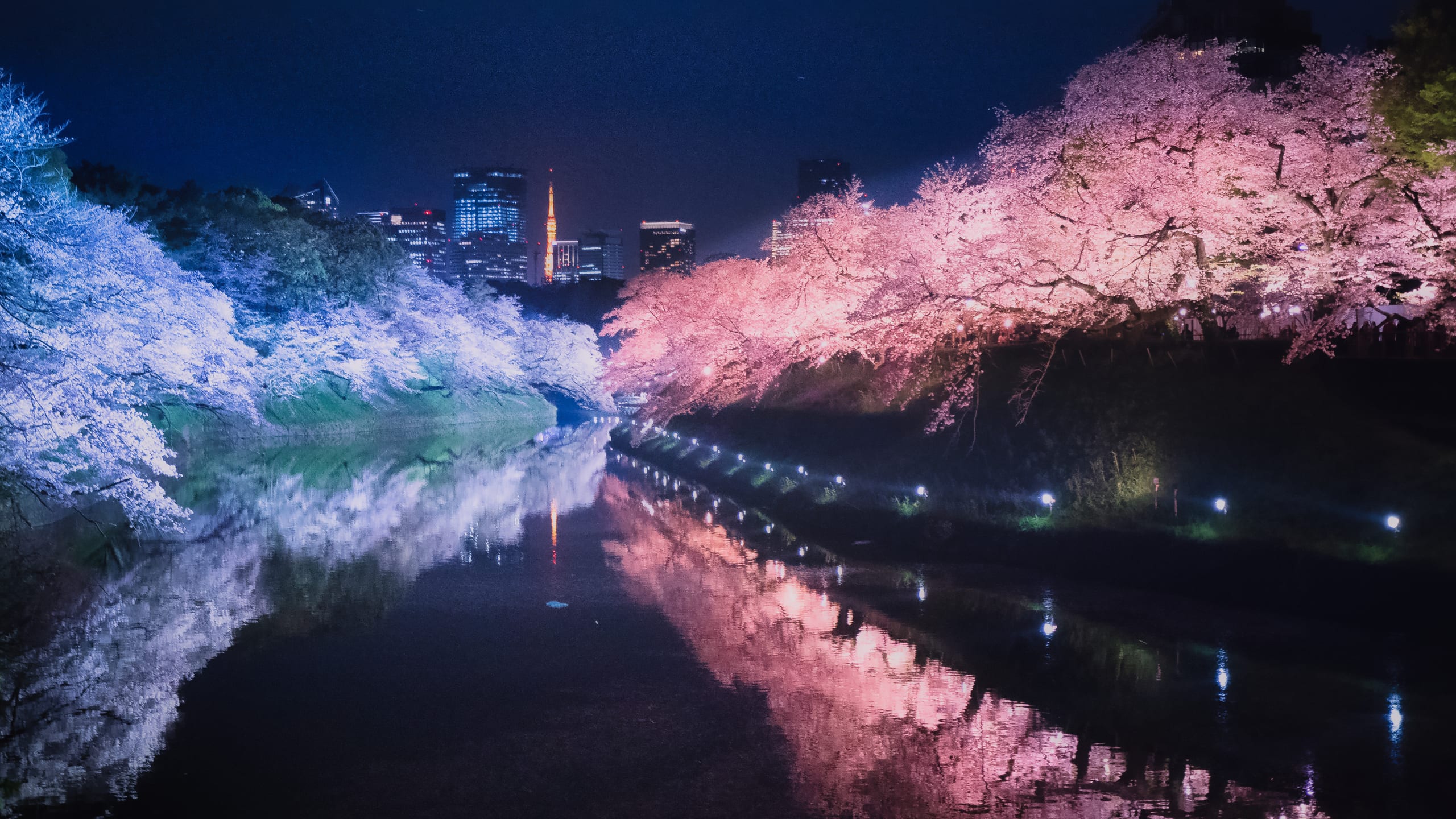 Spring
The Classic Cherry Blossom Tour of Japan
12 days30 March to 10 April 2027$19,500per person, twin shareSee the journey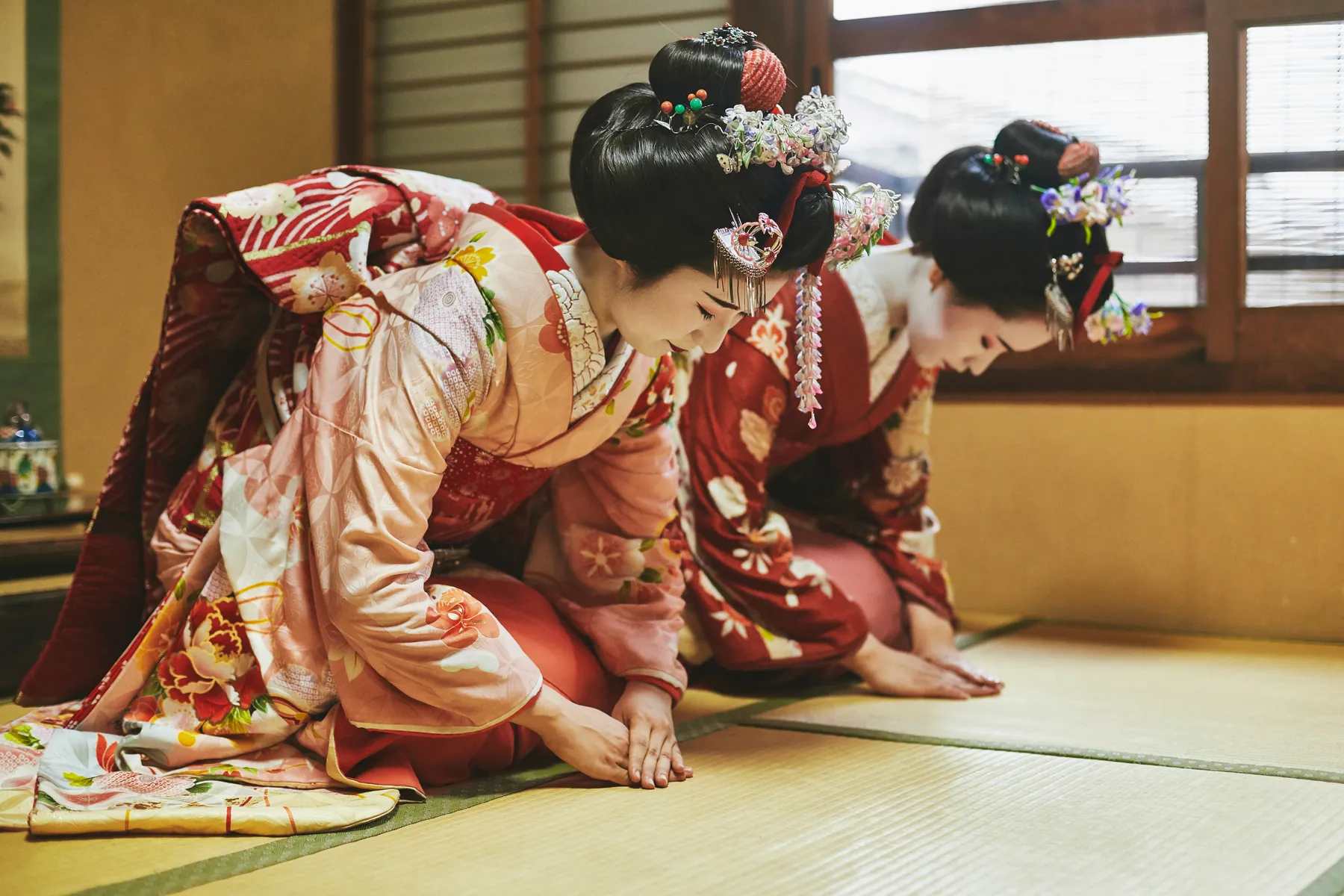 Planned around you
The Custom Tour of Japan
Your party aloneWith your own Tour DirectorFrom five nights, on the dates you chooseSee the journey
questions
Nara: questions answered
Is Nara worth a day trip from Kyoto?
Yes. In a day you can see the Great Buddha of Todai-ji, Kasuga Taisha and the deer park, all within walking distance of each other, and the journey from Kyoto takes under an hour.
How long do you need in Nara?
A full day for the park, Todai-ji and Kasuga Taisha. A night or a second day adds Horyu-ji and the temples of the western plain, which most day visitors never reach.
How do you get from Kyoto to Nara?
By the Kintetsu limited express in about thirty-five minutes, by JR in about forty-five, or by private car in about an hour, which lets you add Uji or Fushimi Inari on the way.
Are the deer in Nara wild?
They are free to roam and are not kept, but they have lived alongside people in the park for centuries. Some 1,300 sika deer live there, protected as a Natural Monument and sacred to Kasuga Taisha.
How big is the Great Buddha in Nara?
The seated bronze Buddha of Todai-ji is about fifteen metres high, first consecrated in 752, and sits in a wooden hall of 1709 that is still among the largest wooden buildings in the world.
Is Horyu-ji worth visiting?
Yes, for anyone with an interest in Japanese art or architecture. Founded in 607, it has the oldest surviving wooden buildings in the world, and it is about half an hour by car from central Nara.
Can you stay overnight in Nara?
Yes, and a night lets you see the park in the quiet of the evening. A hotel of suites stands among the trees within reach of the park.
Which Luxury Japan Travel journeys include Nara?
Essential Japan, Classic Japan, Definitive Japan and The Classic Cherry Blossom Tour of Japan include a day in Nara. The Custom Tour of Japan can include Nara on any dates, created around your party alone.
Can Nara be part of a private tour of Japan?
Yes. The Custom Tour of Japan is created around your party alone, on your dates, with a Tour Director beside you, and it can include Nara. For independent travel, the Expert Japan Itinerary plans every day for you.
kansai
More in Kansai
Nara, planned for you.
Tell us when you would like to travel and what draws you to Nara. We will answer with a journey shaped around it: one of our tours, a journey of The Private Collection, or a Custom Tour of Japan created around your party alone.