







tohokuyamagata
Yamadera
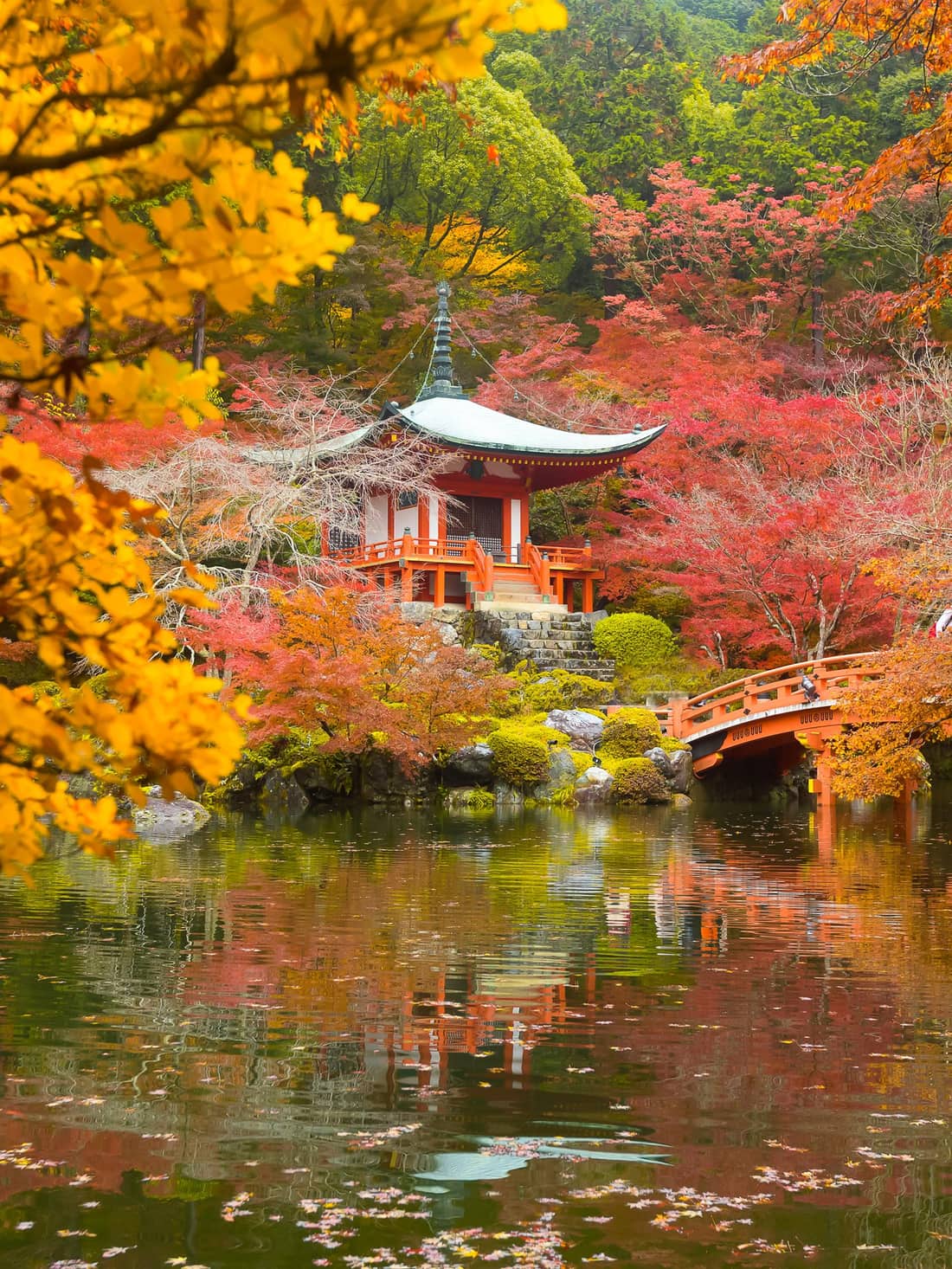
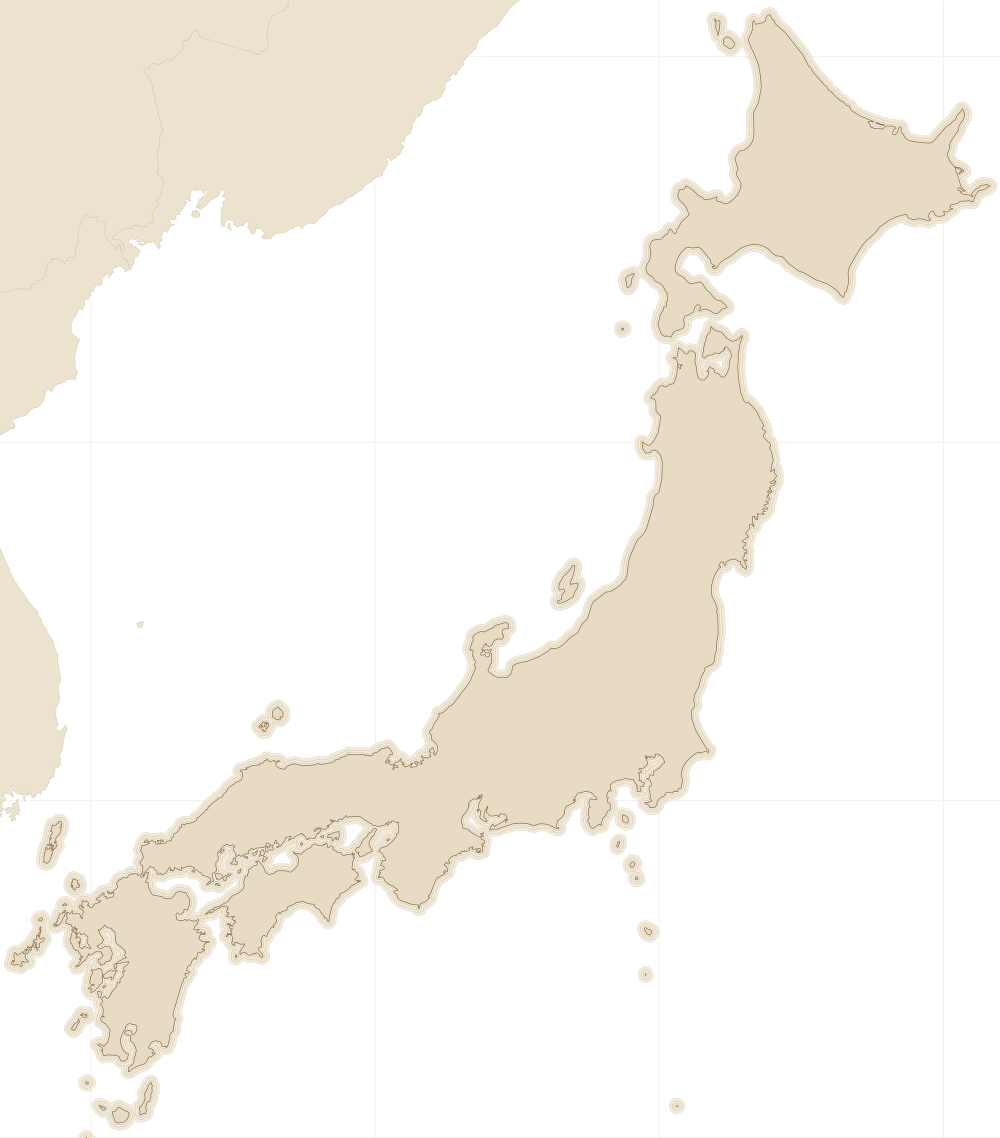
Yamadera is the popular name of Risshaku-ji, a Buddhist temple founded in 860 on a cliff of volcanic rock above the Yamagata basin, in Yamagata Prefecture in the Tohoku region, about twenty minutes by train from Yamagata city and an hour from Sendai.
- Prefecture
- Yamagata
- Region
- Tohoku
- Journeys
- The Custom Tour of Japan
overview
A stone stair through old cedar, and small halls set into the cliff above it.
Risshaku-ji was founded in 860 by the monk Ennin, known after his death as Jikaku Daishi, at the command of the Emperor Seiwa. Ennin had studied in Tang China and became head of the Tendai school on Mount Hiei, above Kyoto, and the temple he founded here was a northern outpost of that tradition. Its halls climb a hillside of weathered tuff, some of them built on ledges and outcrops so narrow that they seem to hang from the rock, and the whole mountain is the temple: the Japanese call it simply Yamadera, the mountain temple.
The way up is a stone stair of about a thousand steps through a forest of cedar, passing gates, lanterns, carved Buddhas in niches of the rock and small memorial stones left by families over many centuries. Taken slowly, with pauses at the halls along the way, it takes most visitors forty minutes or so, and the reward at the top is a view across the valley to the mountains beyond, with the halls of the temple below you on the cliff.
Yamadera's place in Japanese literature was made in the summer of 1689, when the poet Matsuo Basho came here on the journey he later wrote as Oku no Hosomichi, The Narrow Road to the Deep North. Standing among the rocks, he wrote one of the most famous haiku in the language, on the stillness of the mountain and the cry of the cicadas seeping into the stone. Generations of readers have made the same journey since, and the poem is still the best introduction to the place: a temple of quiet, moss and rock, where the sound of the forest is part of the experience.
Yamadera is one of the most rewarding half days in northern Japan. It sits on the line between Sendai and Yamagata, so it fits easily into a journey that crosses the mountains from the Pacific side towards Ginzan Onsen, Dewa Sanzan and the Sea of Japan, and it shows, in a single morning or afternoon, the long devotion that runs through the whole region.
see and do
What to see at Yamadera
Konponchu-do
The main hall at the foot of the mountain, rebuilt in 1356 and among the oldest buildings of beech wood in Japan. Within it burns a flame brought from Enryaku-ji on Mount Hiei, said to have been kept alight since the temple was founded.
The Basho statue and Semizuka
A bronze of the poet stands near the foot of the stair, and halfway up is Semizuka, the cicada mound, where a slip bearing his haiku was buried by his followers beneath a small stone.
The stone stair
About a thousand steps up through cedar, each one, the monks say, carrying away one of the worldly desires. It passes Mida-hora, a rock face worn by wind and rain into forms that the faithful read as the figure of the Amida Buddha.
Niomon gate
A wooden gate of 1848 set against the cliff, guarded by two carved Nio, the fierce temple protectors, and marking the entrance to the upper precinct.
Kaisando and Nokyodo
The founder's hall, dedicated to Ennin, stands on a rocky spur, and beside it on a sheer outcrop is the Nokyodo, a tiny red hall where sutras were once copied and deposited. Together they form the picture most people know of Yamadera.
Godaido
A wooden pavilion built out on the edge of the cliff, open on three sides, with the widest view at the temple: the valley floor, the village and the railway far below, and the mountains folded behind them.
Okunoin
The inner sanctuary at the top of the stair, with the Nyohodo and a great stone lantern, where pilgrims make their last offering before the walk down.
Yamadera Basho Memorial Museum
A quiet museum on the hillside opposite the temple, with scrolls, letters and paintings related to the poet and his journey through the north, and a view across to the temple on its cliff.
Hihokan treasure house
A small museum in the lower precinct that keeps the temple's Buddhist statues, carvings and documents of its long history.
experiences
The best of Yamadera
The stair at an easy pace
A guide who knows the temple walks with you, stopping at each hall to explain its history and the Tendai practice behind it, so that the stair becomes a pilgrimage rather than an exertion, with time to sit at the Godaido and take in the valley.
Basho, read in place
Before the walk, an hour with a specialist in Japanese literature on the Narrow Road to the Deep North, so that the poem on the cicadas and the rocks reads differently when you reach the place it was written.
A temple lunch
Yamagata's mountain cooking is plain and good: a lunch of soba made from buckwheat grown in the valley, wild mountain vegetables and the small dishes of konnyaku the village is known for, taken in a quiet room near the foot of the stair.
Onward to the onsen
From Yamadera a private car takes you on through the Yamagata basin to an onsen ryokan for the night, at Ginzan Onsen or in the hills, so that the day ends in hot spring water and a long dinner.
plan your visit
Yamadera on a journey through Japan
- How long to stay
- Half a day is enough for the temple itself, and it is usually woven into a journey with a night at an onsen ryokan in Yamagata or Sendai on either side.
- Getting there
- By the JR Senzan Line, Yamadera Station is about twenty minutes from Yamagata and about an hour from Sendai, which is ninety minutes from Tokyo by the Tohoku Shinkansen. Yamagata itself is about two and a half hours from Tokyo on the Yamagata Shinkansen, and a private car can meet the train in either city.
- Pairs well with
- Yamadera sits between Sendai and Yamagata, so it falls on the way from Matsushima and Sendai across the mountains to Ginzan Onsen and on to the sacred mountains of Dewa Sanzan.YamagataSendaiGinzan OnsenMatsushimaDewa SanzanMiyagi
journeys
Yamadera on a private journey
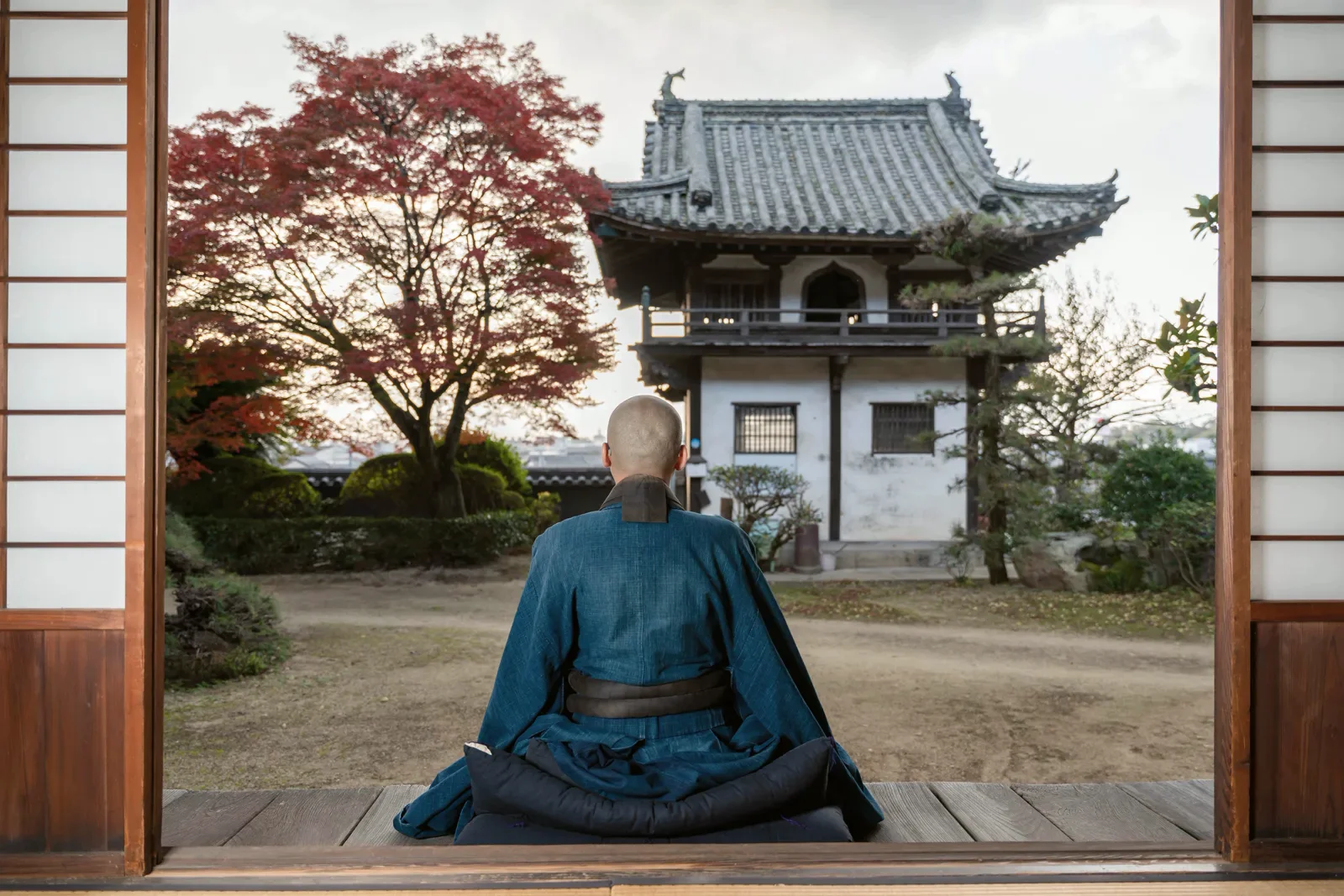
We bring guests to Yamadera on the Custom Tour of Japan, created around your party alone, on your dates, with your own Tour Director.
questions
Yamadera: questions answered
How many steps are there at Yamadera?
About a thousand stone steps lead from the main hall to the inner sanctuary, and most visitors take around forty minutes to reach the top at an easy pace, with stops at the halls along the way.
How do you get to Yamadera from Sendai?
By the JR Senzan Line from Sendai to Yamadera Station, about an hour, or by private car in a similar time. The temple is a short walk from the station across the river.
How long do you need at Yamadera?
Half a day is enough to walk to the top, see the Godaido and the inner sanctuary, and return at an easy pace, with time for lunch in the village.
What is the Basho poem about Yamadera?
It is a haiku Matsuo Basho wrote at Risshaku-ji in 1689 on his journey through the north, describing the stillness of the place and the cry of the cicadas seeping into the rocks. It appears in his travel diary, The Narrow Road to the Deep North.
Is Yamadera worth visiting?
Yes. It is one of the most beautiful temples in northern Japan, with halls built into a cliff, a stair through old cedar and one of the great views of the Tohoku region, and it is easy to include between Sendai and Yamagata.
What is the official name of Yamadera?
Its formal name is Hoju-san Risshaku-ji, a temple of the Tendai school founded in 860. Yamadera, meaning mountain temple, is the name everyone uses.
Can Yamadera be part of a private tour of Japan?
Yes. The Custom Tour of Japan is created around your party alone, on your dates, with your own Tour Director, and it can go anywhere in the country, Yamadera included. If you would rather travel independently, the Expert Japan Itinerary plans every day for you.
tohoku
More in Tohoku
Yamadera, planned for you.
Tell us when you would like to travel and what draws you to Yamadera, and we will answer with a Custom Tour of Japan created around your party alone, or, if you would rather travel independently, an Expert Japan Itinerary that plans every day for you.