shikokukagawa
Naoshima and the Seto Inland Sea
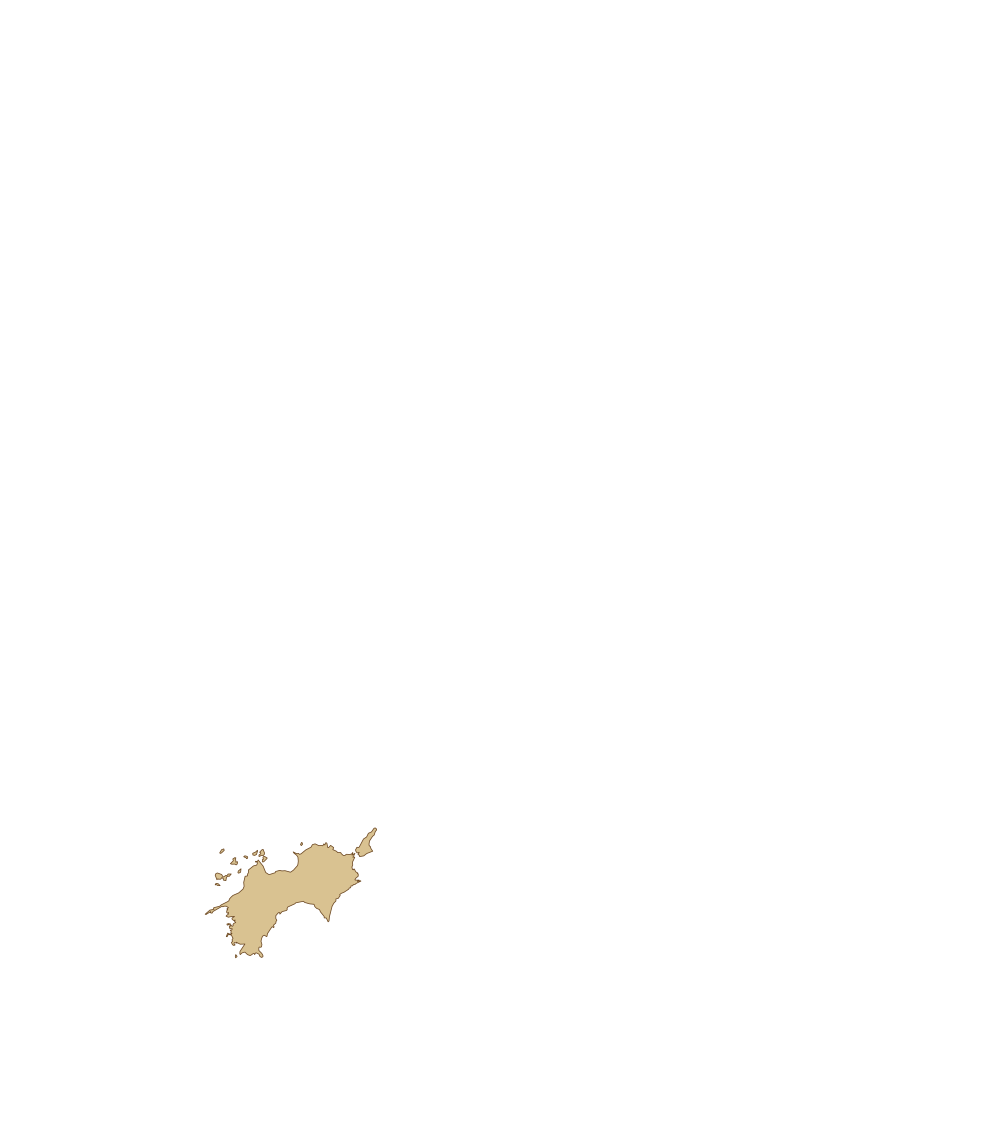
Naoshima is a small island of art museums in the Seto Inland Sea, part of Kagawa prefecture in the Shikoku region, reached by ferry from Uno in Okayama or from Takamatsu, and the centre of a group of art islands that includes Teshima and Inujima.
- Prefecture
- Kagawa
- Region
- Shikoku
- Journeys
- The Custom Tour of Japan
overview
Ando's concrete, Monet's water lilies, and the calm of the Inland Sea around them.
Naoshima is barely eight square kilometres of pine-covered hills and fishing harbours, with some three thousand people living on it. For most of the twentieth century it was known for the copper refinery on its northern shore. Then, from the late 1980s, the Benesse publishing company began to build on its quiet southern coast, and in 1992 Benesse House opened, a museum by Tadao Ando where guests could also sleep among the art. What followed is one of the most remarkable bodies of contemporary art and architecture anywhere in the world, set into a landscape that was left almost untouched around it.
The art is placed with great care. At the Chichu Art Museum, Ando buried the galleries in a hillside so that they are lit only by the sky, and five of Claude Monet's late water lily paintings hang in a white room of natural light. In the old village of Honmura, empty houses, a temple site and a shrine have been given to artists to remake. Sculptures stand on the beaches and the piers, among them Yayoi Kusama's yellow pumpkin on its concrete jetty, which has become the island's emblem.
The islands around Naoshima carry the same thinking further. On Teshima, an art museum by the architect Ryue Nishizawa and the artist Rei Naito is a single concrete shell above the rice terraces, where water rises from the floor in beads. On Inujima, a ruined copper refinery has been turned into a museum. Every three years the Setouchi Triennale spreads new work across a dozen islands of the Inland Sea, and between festivals the islands keep their quiet: small ferries, village lanes of cedar-clad houses, and the sea turning silver in the late afternoon.
see and do
What to see on Naoshima and the Seto Inland Sea
Chichu Art Museum
Opened in 2004 and built almost entirely underground by Tadao Ando, it shows only three artists: Claude Monet's water lilies in a room of daylight and white marble tesserae, James Turrell's rooms of light, and Walter De Maria's great granite sphere on a stair of steps. Entry is by timed ticket.
Benesse House Museum
The first of the island's buildings, opened in 1992 on a headland above the sea, with works by Bruce Nauman, Jennifer Bartlett, Hiroshi Sugimoto and others, and sculptures set outside along the shore and in the trees.
Lee Ufan Museum
A low concrete building by Ando, opened in 2010 in a hollow between the hills and the sea, devoted to the paintings and stone and iron sculptures of the Korean artist Lee Ufan.
Yellow Pumpkin
Yayoi Kusama's spotted pumpkin at the end of an old concrete pier near Benesse House, seen against the water from the coast road. A larger red pumpkin, which you can step inside, stands at Miyanoura port.
The Art House Project, Honmura
Old houses in the fishing village of Honmura turned into permanent works from 1998 onwards: Tatsuo Miyajima's pool of counting lights in Kadoya, James Turrell's darkness in Minamidera, a building by Ando, and Hiroshi Sugimoto's glass stair rising out of the rock at Go'o Shrine.
Ando Museum
A wooden house of about a hundred years in Honmura, with a concrete interior by Ando set inside it, telling the story of his work on the island in drawings, models and photographs.
Valley Gallery
A small pavilion by Ando in a wooded valley near the Benesse museums, opened in 2022, with Yayoi Kusama's Narcissus Garden of mirrored steel spheres spread across the hillside and its pond.
Naoshima New Museum of Art
The newest museum on the island, opened in 2025 in Honmura and again designed by Ando, showing contemporary art from Japan and across Asia.
Naoshima Bath, I Love Yu
A working public bathhouse at Miyanoura by the artist Shinro Ohtake, collaged inside and out with tiles, neon, and a small elephant, where islanders and visitors share the water.
Teshima Art Museum
On the neighbouring island of Teshima, a white concrete shell 60 metres across with two open oculi, where small drops of water rise from the floor, travel and gather into pools through the day. It is one of the most moving rooms in contemporary architecture.
Les Archives du Coeur, Teshima
Christian Boltanski's archive of the recorded heartbeats of people from around the world, in a small building on a beach of the island, where you may listen to them and add your own.
Inujima Seirensho Art Museum
A copper refinery abandoned in the early twentieth century and reopened in 2008 as a museum by the architect Hiroshi Sambuichi, cooled by the earth and the sun alone, with an installation by Yukinori Yanagi inside its brick chimneys and passages.
experiences
The best of Naoshima and the Seto Inland Sea
Chichu in its quiet hours
A visit to the Chichu Art Museum timed for its calmer hours, with an art historian at your side to explain how Ando and the artists worked together, and time to sit with the water lilies for as long as you wish.
An island day by private boat
A private boat between Naoshima, Teshima and Inujima, steered by its captain, so that three islands and their museums fit into one easy day without a ferry timetable.
Sleeping inside the museum
A night inside the museum on the headland, when the day visitors have taken the last ferry and guests have the galleries of the museum building to themselves into the evening, with the sea below the windows.
Dinner of the Inland Sea
The fish of the Seto Inland Sea, sea bream, octopus and small silver sawara, prepared as kaiseki and served in an island dining room as the light goes off the water.
plan your visit
Naoshima and the Seto Inland Sea on a journey through Japan
- How long to stay
- Two nights on Naoshima lets you see its museums at an easy pace and give a full day to Teshima and Inujima; one night is the least to give it.
- Getting there
- From Okayama, on the Tokaido and Sanyo Shinkansen, a private car takes about an hour to Uno port, and the ferry to Miyanoura about twenty minutes. From Takamatsu the ferry takes about fifty minutes. Okayama is a little over three hours from Tokyo by Shinkansen and under an hour from Kyoto.
- Pairs well with
- Naoshima sits between Honshu and Shikoku: Okayama and Kurashiki are the natural way in, Takamatsu and Kotohira the way on into Shikoku, and Onomichi and the islands of the Shimanami Kaido carry the Inland Sea west towards Hiroshima.KurashikiOkayamaKotohira and TakamatsuOnomichiHiroshimaKyoto
where to stay
Luxury hotels and ryokan on Naoshima and the Seto Inland Sea
A night inside the museum is the reason to stay on the island rather than visit for a day. Its rooms are spread across four buildings, the Museum, the Oval up the hill by a private monorail, the Park and the Beach, all by Tadao Ando, with art in the rooms and the corridors, and the museum open to staying guests into the night. A newly built ryokan offers a different stay on the island, with Japanese rooms and dinner of island fish.
Across the Inland Sea, on the island of Ikuchijima, a ryokan occupies the restored estate of a salt merchant family in the port town of Setoda, on the route of the Shimanami Kaido. Many guests combine a night there with Naoshima, crossing the sea between them.
journeys
Naoshima and the Seto Inland Sea on a private journey
We bring guests to Naoshima and the Seto Inland Sea on the Custom Tour of Japan, created around your party alone, on your dates, with your own Tour Director.
questions
Naoshima and the Seto Inland Sea: questions answered
How many days do you need on Naoshima?
Two nights is right for most travellers: a day for the museums of Naoshima and a day for Teshima and Inujima. A single night covers the main museums of Naoshima alone.
How do you get to Naoshima?
By ferry from Uno port in Okayama, about twenty minutes, or from Takamatsu in Kagawa, about fifty minutes. Uno is about an hour by car from Okayama Station on the Shinkansen.
How do you enter the Chichu Art Museum?
By timed ticket, a set time for each visit, which keeps the rooms quiet.
Is Naoshima worth an overnight stay?
Yes. The museums are calmer in the evening, and guests who sleep inside the museum have the building into the night, which day visitors from the mainland never see.
What is the difference between Naoshima and Teshima?
Naoshima has the larger museums and most of the Ando architecture; Teshima is quieter and more rural, with rice terraces and the Teshima Art Museum, and is reached from Naoshima by a short ferry or private boat.
What is the Setouchi Triennale?
A contemporary art festival that takes place every three years across a dozen islands and two ports of the Seto Inland Sea, first staged in 2010, when new temporary works are added to the permanent collections.
Is Naoshima in Okayama or Kagawa?
Naoshima belongs to Kagawa prefecture in Shikoku, though it lies closer to the Okayama shore and is most often reached from Uno in Okayama.
Can Naoshima and the Seto Inland Sea be part of a private tour of Japan?
Yes. The Custom Tour of Japan is created around your party alone, on your dates, with your own Tour Director, and it can go anywhere in the country, Naoshima and the Seto Inland Sea included. If you would rather travel independently, the Expert Japan Itinerary plans every day for you.
shikoku
More in Shikoku
Naoshima and the Seto Inland Sea, planned for you.
Tell us when you would like to travel and what draws you to Naoshima and the Seto Inland Sea, and we will answer with a Custom Tour of Japan created around your party alone, or, if you would rather travel independently, an Expert Japan Itinerary that plans every day for you.