

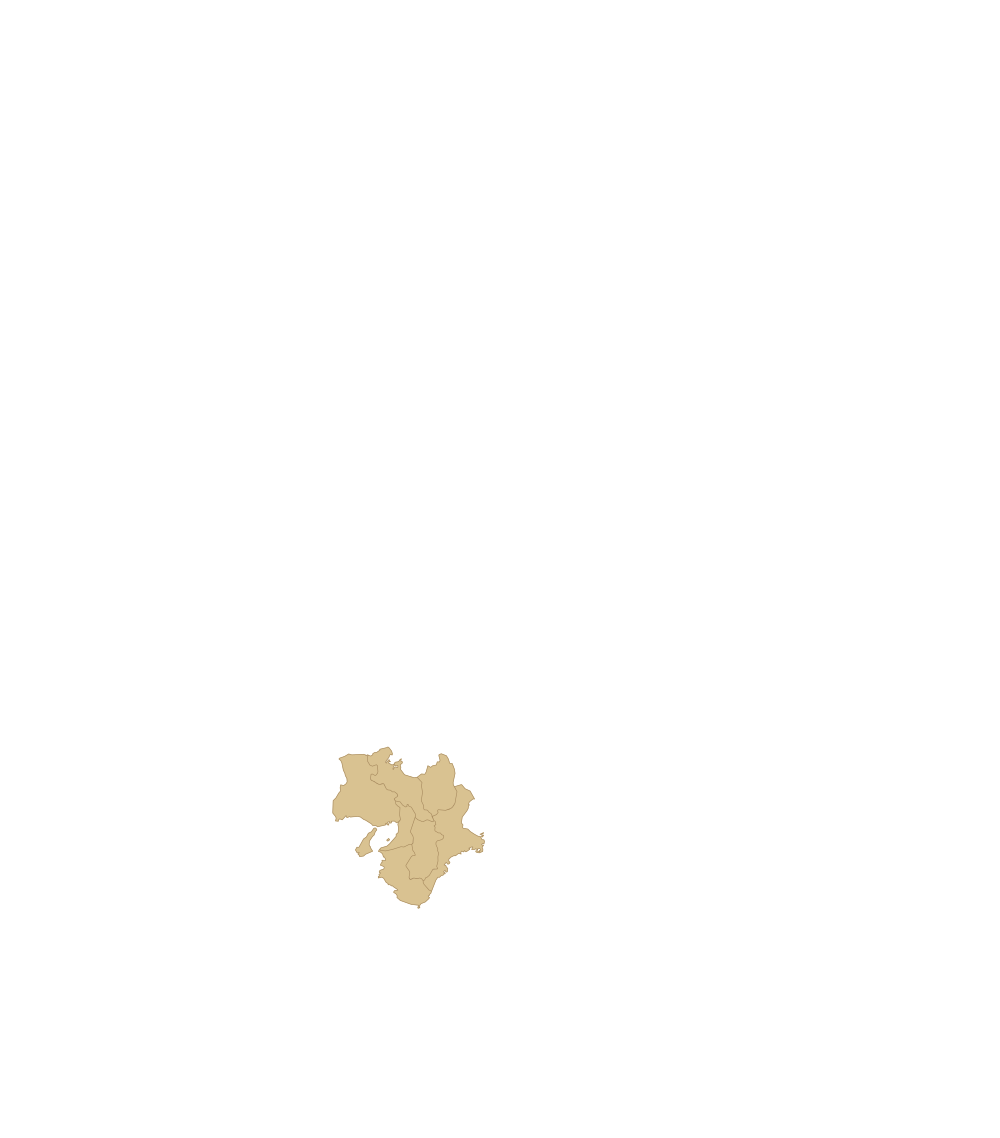



shikokuehime
Matsuyama and Imabari
Matsuyama is the capital of Ehime prefecture, in the Shikoku region on the Inland Sea, a castle city with Dogo Onsen, one of the oldest hot springs in Japan, and Imabari is the port city 40 kilometres to its north where the Shimanami Kaido crosses the islands to Honshu.
- Prefecture
- Ehime
- Region
- Shikoku
- Journeys
- The Custom Tour of Japan
overview
An onsen town of wooden bathhouses beneath a castle on its hill.
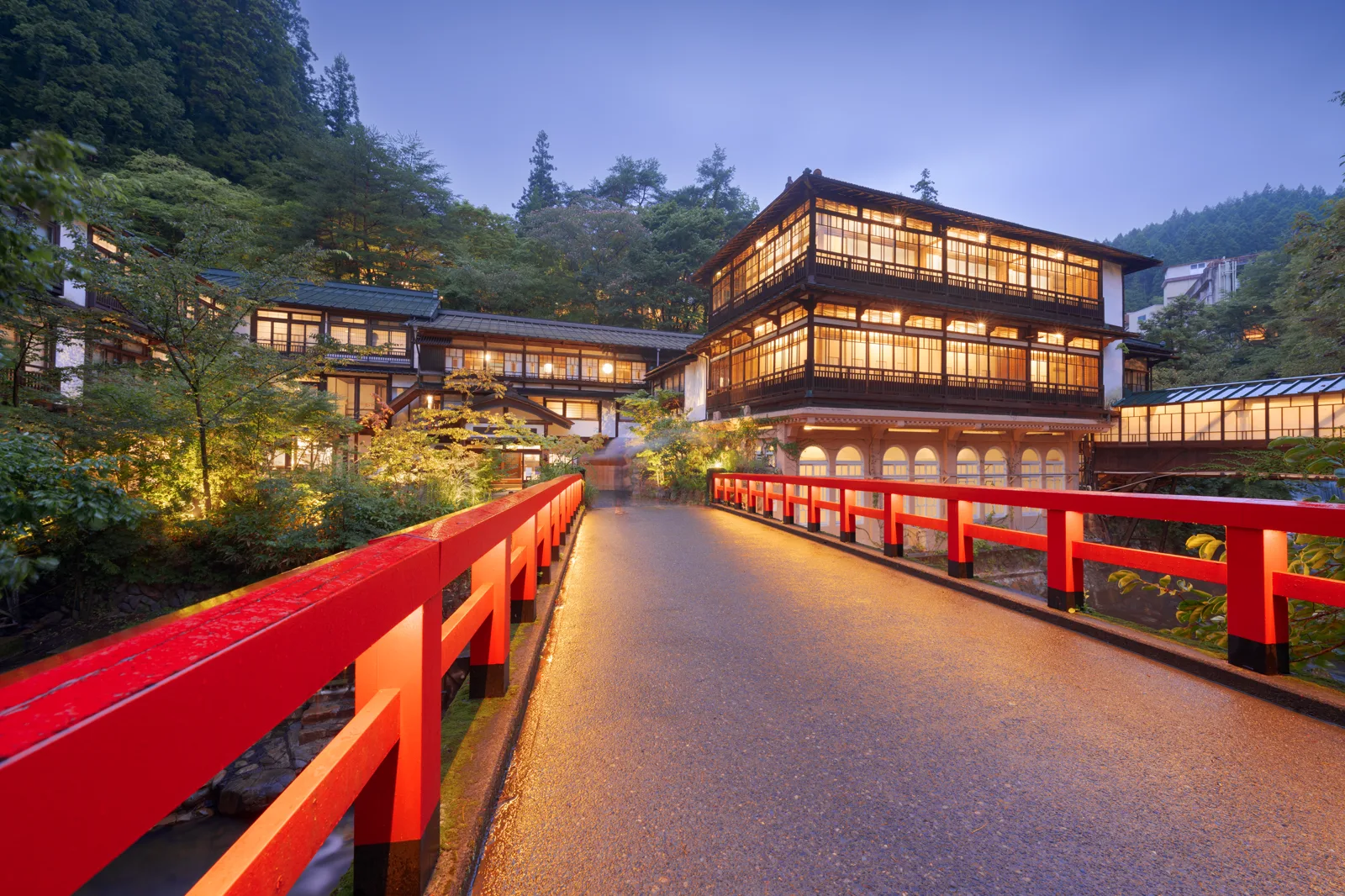
Matsuyama is the largest city in Shikoku, and one of the most gracious: a city of trams and citrus, laid out beneath a castle that has stood on its hill since the Edo period. Its onsen at Dogo, at the eastern edge of the city, is written of in the eighth-century chronicles of Japan, which tell of emperors and princes coming to take the waters, and the wooden bathhouse at its centre, the Dogo Onsen Honkan of 1894, is still in daily use.
Matsuyama is also a city of writers. The haiku poet Masaoka Shiki was born here, and the novelist Natsume Soseki taught at the city's middle school in 1895 and set his novel Botchan in it, so that the onsen, the little train and the town's characters are known to every Japanese reader. Haiku boxes stand in the streets for passers-by to post their poems.
To the north, Imabari is a shipbuilding port and the home of Imabari towels, the most celebrated in Japan. From here the Shimanami Kaido, a chain of bridges opened in 1999, crosses six islands of the Inland Sea to Onomichi on Honshu. The islands are a world of their own: citrus groves on the slopes, small harbours, a shrine with one of the great collections of samurai armour in Japan, and the old waters of the Murakami, the sea clans who once controlled the straits.
see and do
What to see in Matsuyama and Imabari
Dogo Onsen Honkan
A three-storey wooden bathhouse of 1894, crowned with a drum tower and a white heron, designated an Important Cultural Property and still a working public onsen, with tatami rooms upstairs for tea after the water and a private suite once kept for the imperial family.
Dogo Onsen Asuka-no-Yu
A newer bathhouse opened in 2017 in the style of the Asuka period, with private onsen rooms decorated in the crafts of Ehime.
Matsuyama Castle
A castle on Mount Katsuyama, 132 metres above the city, whose keep, rebuilt in the 1850s, is one of the twelve original keeps that survive in Japan. A ropeway and a chairlift climb to it, and its top floor looks over the city to the Inland Sea.
Ishite-ji
The fifty-first temple of the Shikoku pilgrimage, a short walk from Dogo, with a gate of the Kamakura period designated a National Treasure and a dark cave passage behind the main hall.
Bansuiso
A French-style villa built in 1922 for a count of the Hisamatsu family, the former lords of Matsuyama, in the trees below the castle, now an annex of the prefectural museum of art.
Saka no Ue no Kumo Museum
A triangular museum of glass and concrete by Tadao Ando, devoted to the novel by Shiba Ryotaro about three men of Matsuyama in the Meiji era.
The Shimanami Kaido
Some sixty kilometres of bridges and roads across six islands between Imabari and Onomichi, crossing the Kurushima Strait on the world's first triple suspension bridge, 4,105 metres long.
Oyamazumi Shrine, Omishima
A shrine to the god of mountains and the sea on the island of Omishima, surrounded by camphor trees, whose treasure hall keeps a great share of all the samurai armour designated in Japan as National Treasures and Important Cultural Properties.
Toyo Ito Museum of Architecture
A museum of faceted steel by the architect Toyo Ito on a hillside of Omishima, looking over citrus groves to the Inland Sea, beside a reconstruction of the Silver Hut, the home he built for himself in Tokyo.
Murakami Kaizoku Museum
A museum on the island of Oshima telling the story of the Murakami sea clans, who ruled the currents of these straits from their island fortresses in the fifteenth and sixteenth centuries.
Uchiko
A small town an hour south-west of Matsuyama, once rich from wax, with merchant houses of white plaster along its old street and the Uchiko-za, a kabuki theatre of 1916.
experiences
The best of Matsuyama and Imabari
An evening at Dogo
A private onsen room at Dogo after dinner, then tea on the tatami upstairs in the Honkan, and a walk back through the onsen town in yukata as the bathhouse lights come on.
The Kurushima Strait by boat
A boat from Imabari into the Kurushima Strait, steered by its captain, where the tide runs so fast that the sea boils and whirls beneath the bridge, and the Murakami once timed their passage by it.
The islands by private car
A day across the Shimanami Kaido with a driver, stopping at Oyamazumi Shrine, the Toyo Ito Museum and the citrus groves of Omishima, with lunch of Inland Sea fish.
Towels and the makers
A visit to an Imabari weaving mill, where the cotton is washed in the soft water of the Soja River and woven slowly on looms that set the standard for Japanese towels.
plan your visit
Matsuyama and Imabari on a journey through Japan
- How long to stay
- Two nights in Matsuyama suits most travellers, with an evening at Dogo and a day for the castle and Uchiko; a third night lets you cross the Shimanami Kaido to Onomichi.
- Getting there
- Matsuyama airport is about an hour and a half from Tokyo by air. From Hiroshima a high-speed boat takes about an hour and a quarter, and from Okayama the Shiokaze limited express takes about two hours and forty-five minutes. Imabari is about forty minutes from Matsuyama by train or car, and Onomichi about an hour and a half by car across the Shimanami Kaido.
- Pairs well with
- The Shimanami Kaido carries a journey from Matsuyama and Imabari across the islands to Onomichi, and on to Hiroshima and Miyajima; eastward, Kotohira and Takamatsu are two hours away.OnomichiHiroshimaMiyajimaKotohira and TakamatsuKochiNaoshima and the Seto Inland Sea
journeys
Matsuyama and Imabari on a private journey
We bring guests to Matsuyama and Imabari on the Custom Tour of Japan, created around your party alone, on your dates, with your own Tour Director.
questions
Matsuyama and Imabari: questions answered
Is Dogo Onsen worth visiting?
Yes. Dogo is one of the oldest onsen in Japan, its wooden bathhouse of 1894 is still in daily use, and the onsen town around it has some of the best ryokan in Shikoku.
Can you bathe at Dogo Onsen Honkan?
Yes. The Honkan is a working public onsen, open to visitors, with tatami rooms upstairs where tea is served after the water. Its full restoration was completed in 2024.
How do you get to Matsuyama from Tokyo?
By air from Haneda to Matsuyama in about an hour and a half; the airport is about twenty minutes from Dogo by car. By train the journey runs by Shinkansen to Okayama, then the Shiokaze limited express, six to seven hours in all.
What is the Shimanami Kaido?
The Shimanami Kaido is a chain of bridges and roads, opened in 1999, that links Imabari in Shikoku with Onomichi in Hiroshima across six islands of the Seto Inland Sea, about sixty kilometres in all.
How many days do you need in Matsuyama?
Two nights for Matsuyama and Dogo, with time for the castle and an evening at the onsen; three if you wish to cross the Shimanami Kaido or see Uchiko.
What is Imabari known for?
Imabari is known for its towels, which make up more than half of all the towels made in Japan, for shipbuilding, and as the Shikoku end of the Shimanami Kaido.
Can Matsuyama and Imabari be part of a private tour of Japan?
Yes. The Custom Tour of Japan is created around your party alone, on your dates, with your own Tour Director, and it can go anywhere in the country, Matsuyama and Imabari included. If you would rather travel independently, the Expert Japan Itinerary plans every day for you.
shikoku
More in Shikoku
Matsuyama and Imabari, planned for you.
Tell us when you would like to travel and what draws you to Matsuyama and Imabari, and we will answer with a Custom Tour of Japan created around your party alone, or, if you would rather travel independently, an Expert Japan Itinerary that plans every day for you.