





kyushufukuoka
Fukuoka
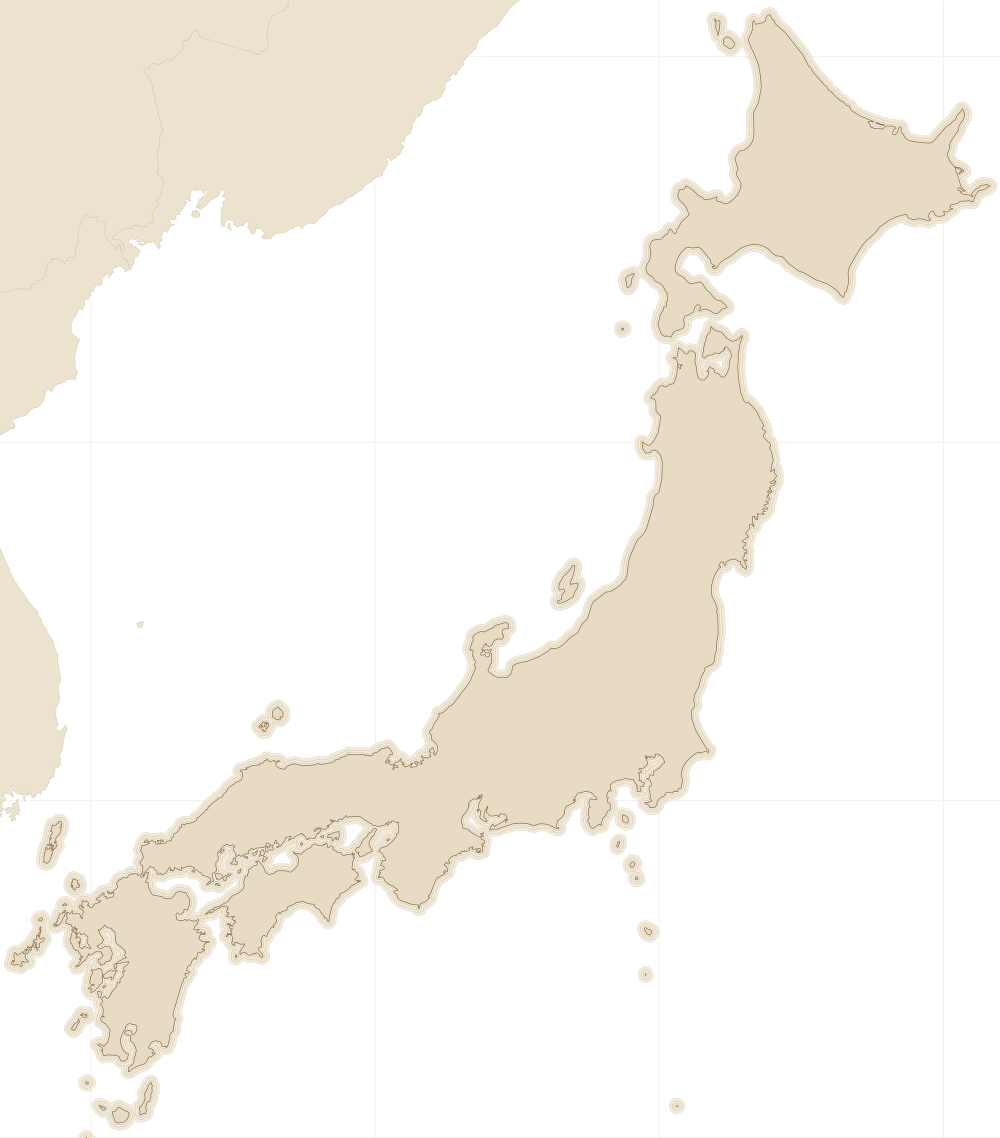
Fukuoka is the largest city of Kyushu and the capital of Fukuoka Prefecture, in the Kyushu region of southwestern Japan, a harbour city on Hakata Bay that is closer to Seoul than to Tokyo.
- Prefecture
- Fukuoka
- Region
- Kyushu
- Journeys
- The Custom Tour of Japan
overview
A merchant port and a castle town joined across the Naka River, with yatai stalls lit along its banks at night.
Fukuoka is two cities in one name. On the east bank of the Naka River lies Hakata, the old merchant port, trading with China and Korea for more than a thousand years; on the west bank lies Fukuoka proper, the castle town the Kuroda lords built after 1601. The two were joined as a single city in 1889, and the people of Hakata still call themselves Hakatakko, while the main railway station keeps the Hakata name.
Its position made it the first Japanese city to receive much of what came from the continent. The monk Eisai founded Shofuku-ji here in 1195, the first Zen temple in Japan, and is said to have brought back the tea seeds that began the country's tea culture. The Mongol fleets of 1274 and 1281 came ashore on these beaches, and remnants of the defensive stone wall raised against them can still be seen along the bay.
Today Fukuoka is a city of about 1.6 million, easy, green and close to the sea, with an airport two stops from the centre by subway. It is known across Japan for its food: Hakata ramen in a rich pork broth, mentaiko, the spiced cod roe that is the city's signature, motsunabe, and the open-air yatai stalls that set up by the river each evening. For a traveller it is the natural door to Kyushu, and a city that rewards two or three days of its own.
see and do
What to see in Fukuoka
Kushida Shrine
The guardian shrine of Hakata, by tradition founded in 757, and the home of the Hakata Gion Yamakasa festival. One of the towering decorated floats, more than ten metres high, stands on display in its grounds.
Shofuku-ji
The first Zen temple in Japan, founded in 1195 by Eisai on land granted by the shogun Minamoto no Yoritomo. Its quiet precinct of stone paths, pines and old gates sits within a few minutes' walk of Hakata Station.
Tocho-ji
A temple founded in 806 by Kobo Daishi on his return from China, with a seated wooden Buddha more than ten metres tall, among the largest wooden statues of the Buddha in Japan, and a five-storey vermilion pagoda.
Fukuoka Castle ruins and Ohori Park
The great stone walls and turrets of the Kuroda castle, begun in 1601, stand on a rise above Ohori Park, where a path of two kilometres circles a broad lake laid out on the model of the West Lake of Hangzhou. A Japanese garden of ponds and teahouses lies at its southern edge.
Nakasu and the yatai
The island between the Naka and Hakata rivers, where the open-air food stalls line the riverbank after dark: a dozen seats under a canopy, a cook in the middle, ramen, oden and grilled skewers. Tenjin and Nagahama have yatai of their own.
Dazaifu Tenmangu
The shrine of Sugawara no Michizane, the ninth-century scholar and statesman deified as the patron of learning, its main hall approached across arched bridges over a pond shaped like the character for heart. It lies some forty minutes from the centre, with a street of shops selling umegae mochi, the grilled rice cakes of Dazaifu, at its gates.
Kyushu National Museum
Opened in 2005 beside Dazaifu Tenmangu, under a great undulating roof of glass and timber, the museum tells the story of Japan's exchange with Asia, a fitting subject for the city that received so much of it.
Hakata Machiya Folk Museum
A merchant townhouse of the Meiji era near Kushida Shrine, where Hakata ori silk is woven on the loom and the painted clay Hakata dolls are made, two crafts the city has kept for centuries.
Nanzo-in
A temple in the hills of Sasaguri, half an hour from the city, whose reclining bronze Buddha is 41 metres long and among the largest bronze statues in the world.
Itoshima
The peninsula to the west of the city, with long beaches, small galleries and cafes, and Sakurai Futamigaura, where two rocks joined by a sacred rope stand in the sea before a white torii.
Yanagawa
An old castle town an hour to the south, laced with canals, where a boatman poles a flat-bottomed boat beneath willows and low bridges for an hour or so. The town is known for eel steamed over rice in lacquered boxes.
experiences
The best of Fukuoka
An evening at the yatai, made easy
The river stalls are crowded and informal, and the best of them are known by word of mouth. With a guide who knows the cooks, the evening becomes a slow progress from one counter to the next, each with a dish of its own.
Kaiseki and sushi on the coast
Hakata Bay and the Genkai Sea bring the city some of the best fish in Japan, and its sushi counters and Michelin-starred kitchens use it with great skill; an evening at one is a reason to come in itself.
Zen and tea where they began
A morning at Shofuku-ji and the old temples of Hakata, then tea prepared in a temple tea room, in the city where Eisai is said to have brought tea back to Japan.
The canals of Yanagawa
An hour on the water with a boatman who sings as he poles, beneath willows and stone walls, followed by lunch of grilled eel in the town.
Hakata ori at the loom
A visit to a weaver of Hakata ori, the stiff, finely patterned silk long prized for obi sashes, to see the cloth made thread by thread.
plan your visit
Fukuoka on a journey through Japan
- How long to stay
- Two nights are right for Fukuoka, with a day for Hakata and its temples and a half day for Dazaifu; a third night adds Yanagawa or the coast of Itoshima.
- Getting there
- By the Sanyo Shinkansen from Shin-Osaka to Hakata in about two and a half hours, from Kyoto in about two hours forty minutes, and from Tokyo in about five hours. Flights from Tokyo take about two hours, and Fukuoka Airport is five minutes by subway from Hakata Station.
where to stay
Luxury hotels and ryokan in Fukuoka
A great hotel occupies the upper floors of a tower in Daimyo, close to Tenjin, with views over the city to Hakata Bay and the hills behind. Tenjin and Daimyo are the best base for walking: the shopping streets, the galleries, Ohori Park and the yatai of the riverbank are all close at hand.
Around Hakata Station the hotels are convenient for the Shinkansen and the old temples, and Nakasu puts the river and its stalls at the door. Fukuoka is the city of a Kyushu journey; the ryokan nights belong to the onsen towns of the interior.
journeys
Fukuoka on a private journey
We bring guests to Fukuoka on the Custom Tour of Japan, created around your party alone, on your dates, with your own Tour Director.
questions
Fukuoka: questions answered
How many days do you need in Fukuoka?
Two nights is enough for Hakata's temples and shrines, Ohori Park, an evening at the yatai, and a half day at Dazaifu. Add a third night for Yanagawa or Itoshima.
What is Fukuoka famous for?
Its food above all: Hakata ramen in pork-bone broth, mentaiko, motsunabe, and the open-air yatai stalls along the river. It is also known for Kushida Shrine and its festival, and for Shofuku-ji, the first Zen temple in Japan.
What is the difference between Hakata and Fukuoka?
They are the two historic halves of one city: Hakata the old merchant port east of the Naka River, Fukuoka the castle town to the west. They became a single city in 1889, and the main station is still called Hakata.
How do you get from Osaka or Kyoto to Fukuoka?
By the Sanyo Shinkansen to Hakata Station: about two and a half hours from Shin-Osaka and about two hours forty minutes from Kyoto on the fastest trains.
Is Dazaifu worth visiting from Fukuoka?
Yes. Dazaifu Tenmangu is one of the most important shrines in Japan, and the Kyushu National Museum stands beside it; together they make an easy half day, about forty minutes from the centre.
Where is the best area to stay in Fukuoka?
Tenjin and Daimyo for walking, shopping and Ohori Park; Hakata for the Shinkansen and the old temples; Nakasu for the river and the yatai.
Is Fukuoka worth visiting?
Yes. It is the easiest city in Japan to arrive in, with very good food, the first Zen temple in the country and Dazaifu close by, and it is the natural start for Nagasaki, Arita and the onsen of central Kyushu.
What should you eat in Fukuoka?
Hakata ramen, mentaiko, motsunabe, mizutaki chicken hot pot, and very good sushi from the Genkai Sea, with a night at the yatai for the atmosphere as much as the food.
Can Fukuoka be part of a private tour of Japan?
Yes. The Custom Tour of Japan is created around your party alone, on your dates, with your own Tour Director, and it can go anywhere in the country, Fukuoka included. If you would rather travel independently, the Expert Japan Itinerary plans every day for you.
kyushu
More in Kyushu
Fukuoka, planned for you.
Tell us when you would like to travel and what draws you to Fukuoka, and we will answer with a Custom Tour of Japan created around your party alone, or, if you would rather travel independently, an Expert Japan Itinerary that plans every day for you.