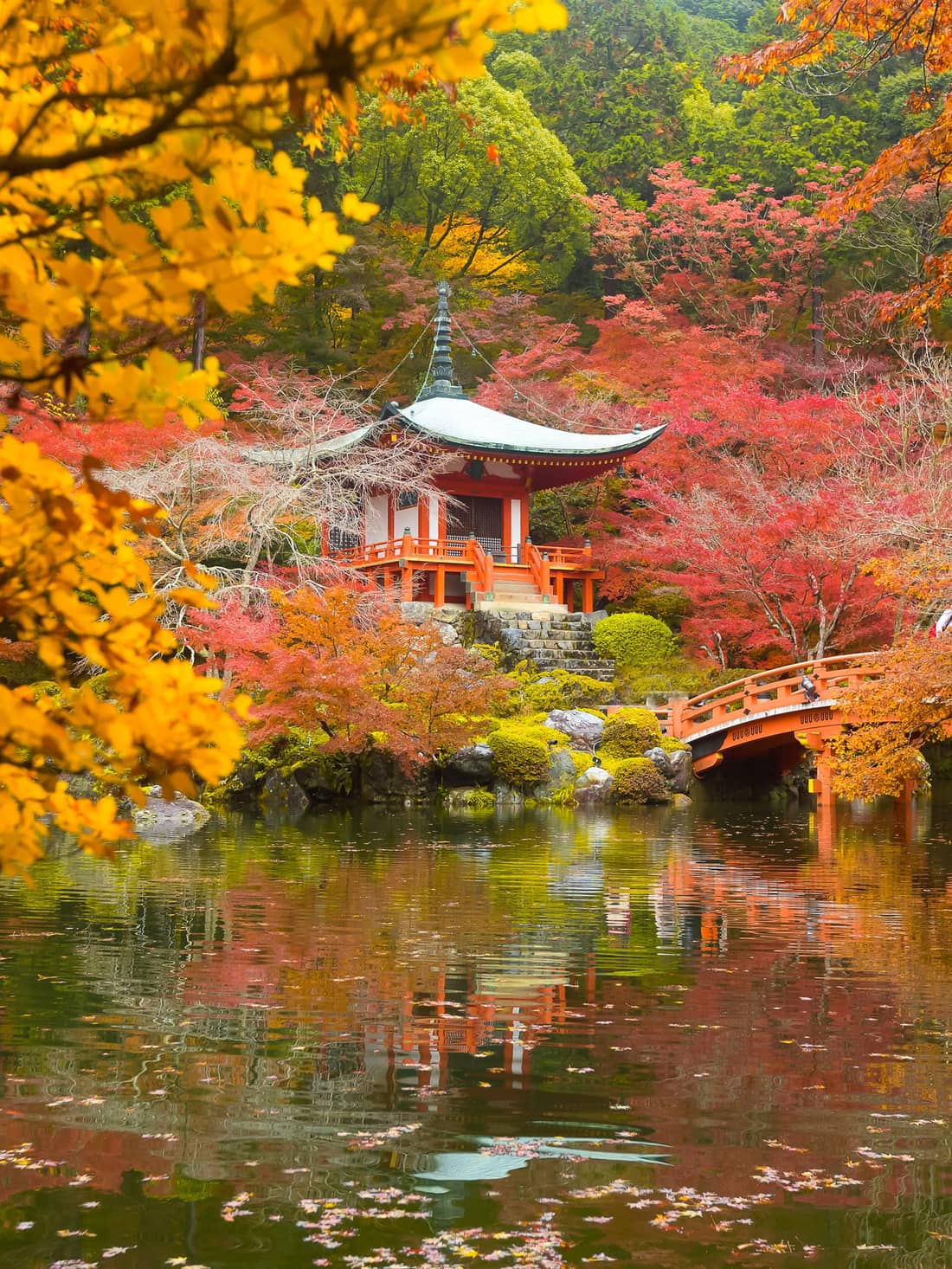

Japan in December begins with the last of the autumn. In the first days of the month the maples in the later gardens of Kyoto are still in colour, and as they fall they cover the moss in red, a sight the Japanese have a name for, chiri-momiji, the scattered maple. By the middle of the month the country has turned towards the New Year, and everything in it, from the markets to the temples, is getting ready.
kyoto
Kyoto prepares for the New Year
In the first weeks of December two temples in the north of the city boil radishes. At Senbon Shakado, the hall of Daihoon-ji, on 7 and 8 December, great iron cauldrons of daikon simmer in the precinct, each round of radish first inscribed with a Sanskrit character by the monks, and the bowls are served hot to anyone who comes, to keep them well through the winter. Ryotoku-ji, near Narutaki, does the same on 9 and 10 December.
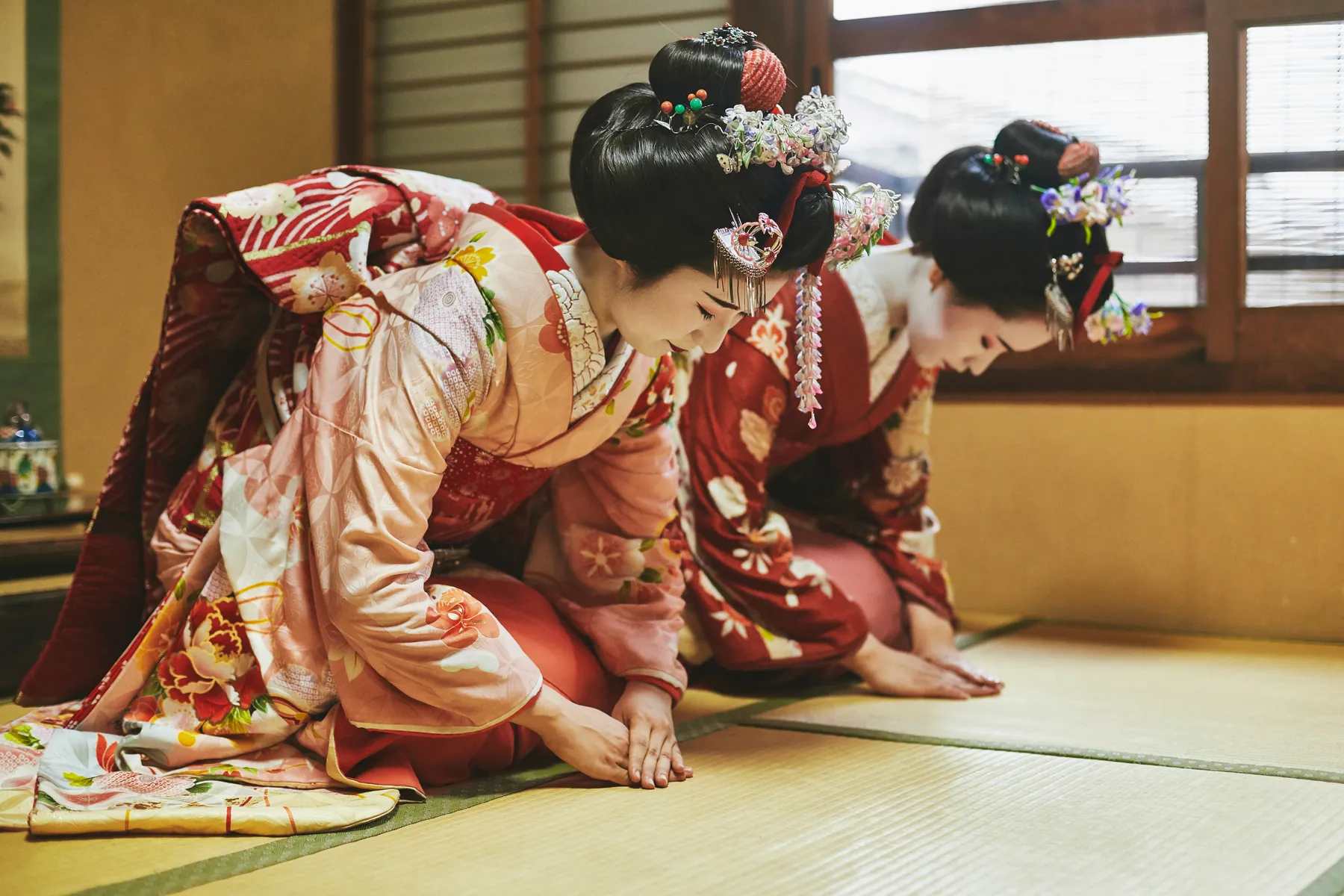
On 13 December the geiko and maiko of Gion keep Kotohajime, the beginning of things. They go in formal kimono to the home of the head of the Inoue school, the dance lineage of Gion Kobu, to offer their thanks for the year and receive a fan for the next, and then call on the teahouses that engage them. From this day Kyoto's New Year is considered to have begun.
At the Minamiza theatre on the Kamo river the year closes with the kaomise, the grandest kabuki programme of the year. In the last days of November the maneki, boards bearing the actors' names in thick black calligraphy, go up along the front of the theatre, and they stay there through the run.
Two markets close the temple year. On 21 December the monthly fair at To-ji becomes Shimai-Kobo, the last of the year, and the precinct below the five-storey pagoda fills with stalls of antiques, old kimono and New Year decorations. On the 25th Kitano Tenmangu holds its own last fair, Shimai-Tenjin, and the city comes to buy for the New Year.
In the last week of December, Nishiki Market is packed with people buying for the New Year: kombu and dried sardines, black beans, kazunoko herring roe and the other ingredients of osechi, the New Year food cooked in the last days of the old year and served in lacquer boxes for the first three days of January, when no one is supposed to cook.
tokyo
Tokyo's battledore fair
From 17 to 19 December the precinct of Senso-ji in Asakusa fills with the stalls of the Hagoita-ichi, the battledore fair. The hagoita, the wooden battledores of an old New Year game of shuttlecock, are now bought as charms, and the most elaborate of them are built up in quilted silk into portraits of kabuki actors in their famous roles, a few with the face of the year's most talked-about figure.
the season
Winter at the table and in the bath
The crab boats are out on the Japan Sea by now, and the snow crab of the San'in coast is on every ryokan table from Kinosaki to Kanazawa.
On the winter solstice, around 22 December, households and public bathhouses float whole yuzu in the water, and the steam smells of citrus. The same day the kitchens serve kabocha, the winter squash, simmered in soy and sugar and eaten on the shortest day for health through the cold. Hokkaido is deep in snow, and the ski season in Niseko is under way.
new year
The last night of the year
On New Year's Eve the country eats toshikoshi soba, buckwheat noodles that break cleanly, eaten to let go of the troubles of the old year. In Kyoto the bowl is often nishin soba, topped with a fillet of dried herring simmered sweet, a dish the city has made its own though the herring comes from the far north.
Towards midnight the great temple bells are rung one hundred and eight times, joya no kane, one stroke for each of the worldly desires of Buddhist teaching. At Chion-in the bell weighs some seventy tonnes, and it takes a team of seventeen monks on the ropes of a great wooden beam to swing it, the lead monk calling the time for each stroke, and the sound carries across Higashiyama. Down the hill at Yasaka Shrine, the city comes for the Okera Mairi: the shrine's sacred fire is lit with the medicinal root okera, and worshippers carry a flame of it home on a length of bamboo rope, whirling it in circles through the streets so it does not go out, to light the first cooking fire of the year.
the weather
December weather: dry and cold
December on the Pacific side is dry and bright. Tokyo and Kyoto are within half a degree of each other this month: 12°C and 11.6°C (54°F and 53°F) in the afternoon, 3.8°C and 3.5°C (39°F and 38°F) at night, by the Meteorological Agency's figures for 1991 to 2020. In Sapporo the snow has settled in: 2°C (36°F) by day and -4°C (25°F) at night, with 114.5 millimetres of precipitation falling almost entirely as snow.
the calendar
Christmas, and the New Year closures
Christmas is an ordinary working day in Japan, kept with illuminations and a sponge cake with strawberries. The holiday is the New Year, when much of the country closes from around 29 December and the trains and airports are at their busiest as families travel home. Once the maples have gone, the first three weeks of December are calm in Kyoto.
Japan in winter: where to go, and why it is worth it →
the journey
A private journey through Japan in December
December's best days fall on fixed dates, from the radishes of Senbon Shakado to the bell on the last night, and The Custom Tour of Japan is built around them: a private journey for one party, on its own dates and from five nights, planned and run by Luxury Japan Travel with a Tour Director beside the party every day and a private car and driver in each city. In December it begins in Kyoto, with a temple garden opened for the party after its gates have closed for the day and an evening in Kamishichiken, in a teahouse that receives guests only by introduction, where geiko and maiko dance for the party alone.
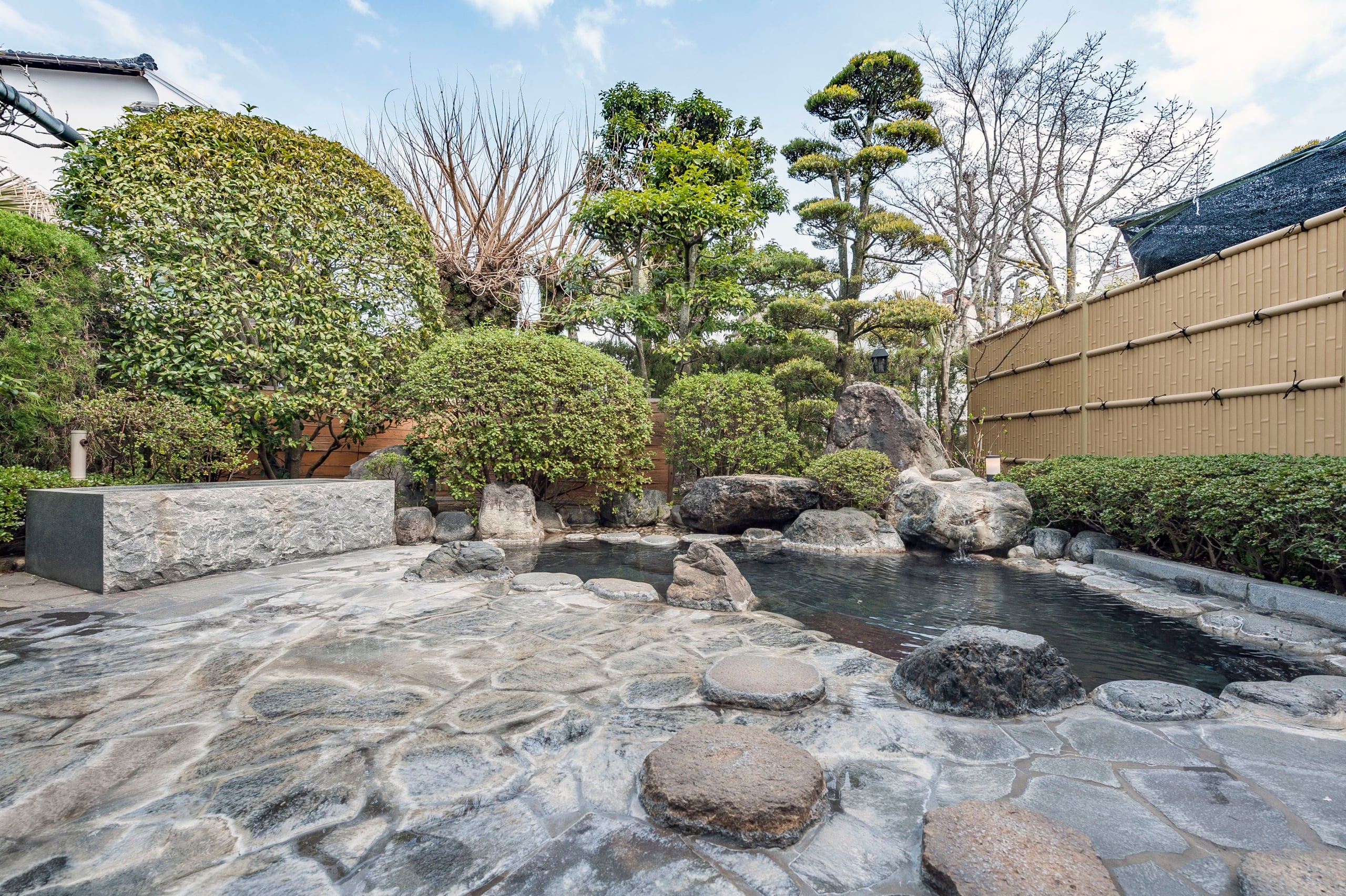
From Kyoto it goes on to Kinosaki for the snow crab, served one course at a time in a suite with its own onsen, and it can end where the year does, with soba on the last night and the bell of Chion-in carrying across Higashiyama.