
Eighteen months is the figure every Japan specialist gives, and it comes from the country itself. The inns that anchor the best journeys in Japan are small, many of its great gardens are seen only by application, and its two celebrated seasons are the ones the whole nation travels for too. A journey that begins a year and a half ahead has the whole of that calendar to choose from.
the inns
Inns of a dozen rooms
The ryokan that anchor a considered journey are small by any standard. One of the most celebrated ryokan in Kyoto, in the centre of the city, has eighteen rooms. Many of the great inns of the onsen towns have fewer than twenty, some fewer than ten, and in many of them each room has its own attendant, the nakai, who serves dinner and breakfast in the room, so an inn takes only as many guests as its people can look after. An inn of eighteen rooms has eighteen to give to a whole spring.
The dining counters of Kyoto and Tokyo are smaller still: a chef cooking for eight or ten at a time, many of them with a single seating each evening.
by application
Gardens seen by application
Some of the great places of Japan keep calendars of their own. The Katsura Imperial Villa and the Shugakuin Imperial Villa in Kyoto are seen only on guided tours arranged through the Imperial Household Agency, which opens applications three months before the date and allots places by lottery. Saiho-ji, the moss temple, accepts reservations two months ahead, and each visitor copies a passage of the sutras by hand before entering the garden. The six grand sumo tournaments, in January, March, May, July, September and November, three of them in Tokyo, put their tickets on sale about a month before each begins.
None of these opens eighteen months out. A journey whose route and inns are chosen early is built to meet each calendar as it opens: the villa on the right morning, the moss garden on the right afternoon, the tournament on the right day, with nothing else in the plan depending on the draw.
the rail
The rail, one month out
Even the shinkansen has its date. Reserved seats go on sale at ten in the morning one month before the day of travel, the last piece of a journey to fall into place.
the seasons
When Japan travels too
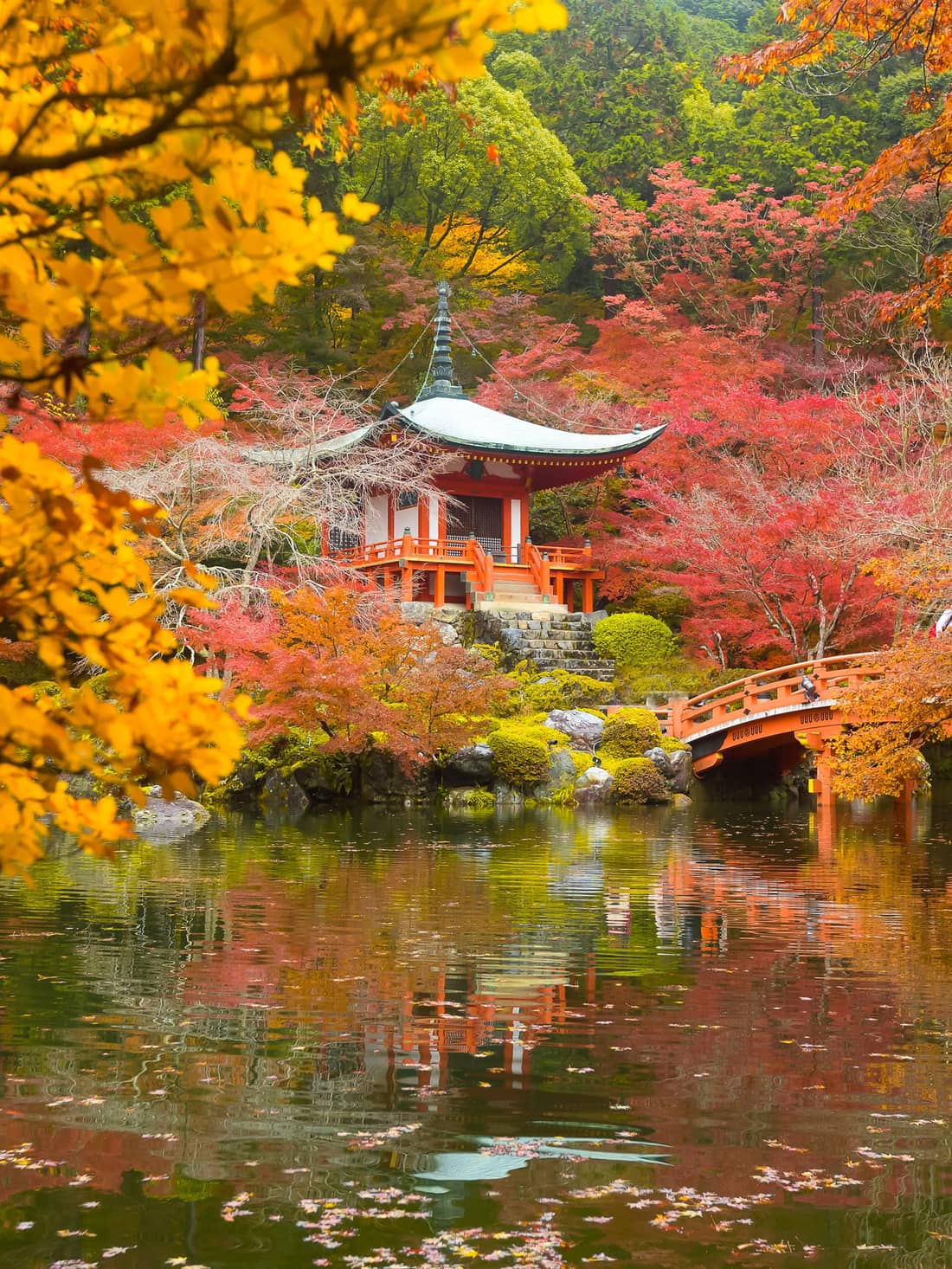
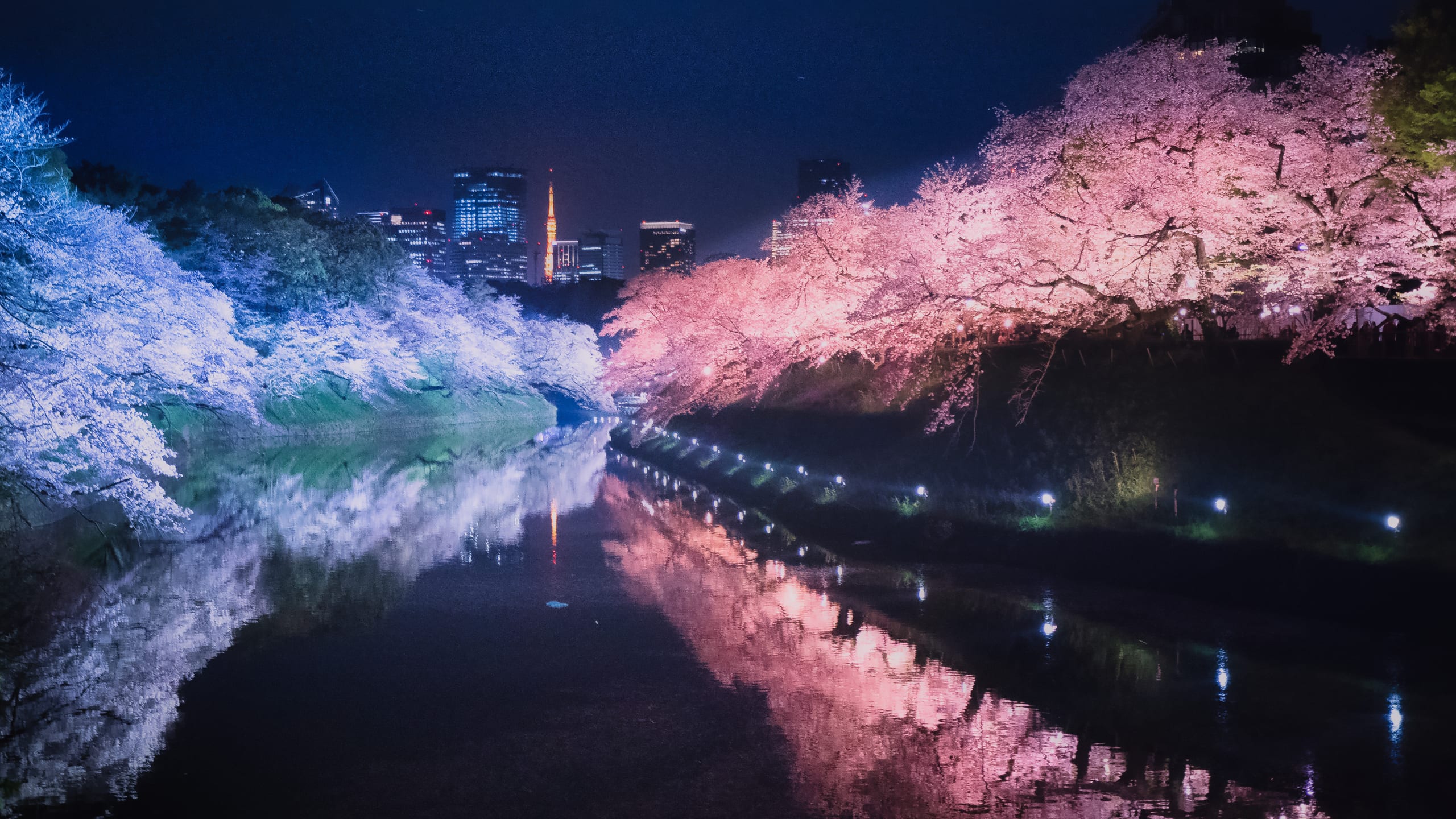
The cherry blossom in spring and the maples in autumn are what Japan itself goes out to see. The school and financial year begins on 1 April, in the middle of the blossom, and the country travels for hanami as it does for nothing else. Golden Week at the start of May, Obon in the middle of August and the New Year are the three weeks when the whole country is on the move at once, and the trains and inns are full of Japanese families.
Festivals add their own weeks. The Gion Matsuri fills Kyoto around 17 July, the Snow Festival fills Sapporo in early February, and the Aoi Matsuri, the Jidai Matsuri and the great floats of Takayama each bring their city a day or two that is planned for well ahead.
the exceptions
What can wait
The figure is not universal. Kyoto in January and February, outside the New Year, is the quietest the city ever is, and its temples and gardens open to a journey planned on far shorter notice. June, a month without a single national holiday, is quiet across Honshu, and the gardens of Kyoto are green with the rain. The islands of the Inland Sea and much of Kyushu are open to a journey planned a few months out.
in practice
What eighteen months looks like in practice
Eighteen months ahead is when the conversation begins. The season, the route and the inns are chosen first, and everything else follows as each of Japan's calendars opens in turn.
the journey
A cherry blossom tour of Japan with its choices already made
For a traveller with less than eighteen months in hand, a published tour has made those choices already. The Classic Cherry Blossom Tour of Japan, from 30 March to 10 April 2027, names every hotel on its page, from a hotel within a hotel in the centre of Tokyo to a ryokan in Kinosaki Onsen on the Japan Sea, and its twelve days fall in the season the country itself plans for most carefully.
Twice it sits down for hanami, beneath the trees of Yoyogi Park in Tokyo and in the park of the Kyoto Imperial Palace, with a meal from a Michelin-starred kitchen laid on rugs at the water's edge. On the eighth evening a private teahouse room in Gion is set for the group, with geiko and maiko. The tour is limited to 8 guests, and its Tour Directors travel every mile of it beside them.